Filed Under: The Long Con
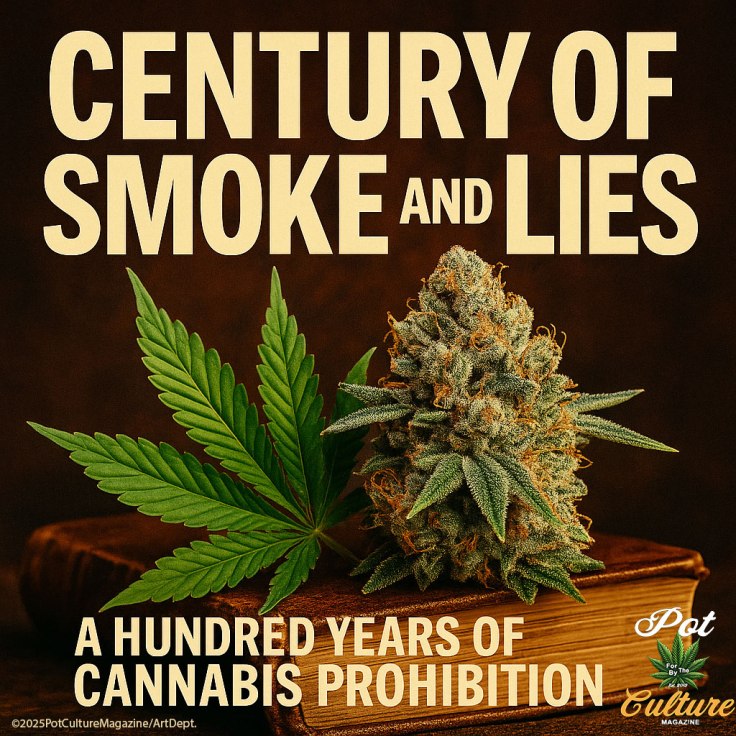
Cannabis has outlived empires. It rode the seas with sailors, woven into their rope. It sat in apothecaries, eased pain in tinctures, and passed between poets in smoke and laughter. Then, in 1925, a room in Geneva decided it was a global menace. That meeting lit the fuse for a century of raids, fear, and wasted lives. Prohibition did not stop the plant. It criminalized people. It burned money and rewrote truth to serve power.
The beginning was theater, not science. Delegates at the International Opium Convention of 1925 waved papers and moral warnings about Indian hemp without evidence. The League of Nations added cannabis to its narcotics list, and the world followed the script. Morality first, facts later. The show would run for a hundred years.
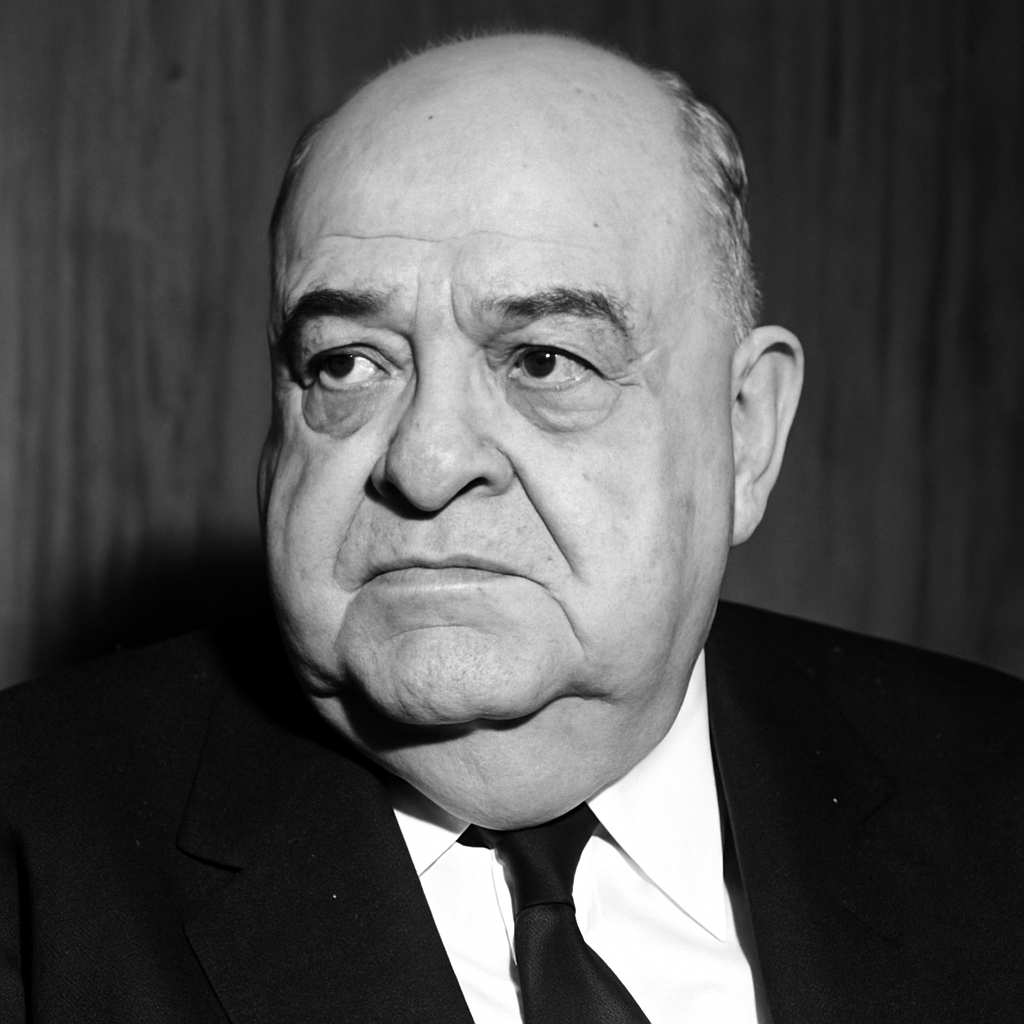
America took the stage and made it loud. Harry Anslinger, head of the Federal Bureau of Narcotics, pushed stories that made cannabis the face of crime. He said it turned men violent and women insane, that it made jazz clubs dangerous. It was racism, repackaged as public safety. By 1937, Congress passed the Marijuana Tax Act, criminalizing the plant across the nation. The United States exported that fear to the rest of the world and built an empire on a lie.
By 1961, the UN Single Convention on Narcotic Drugs locked cannabis into global prohibition. Schedule I. No medical use. Total control. Washington doubled down in 1970 with the Controlled Substances Act, and when the Shafer Commission told the Nixon administration that cannabis didn’t belong there, the White House buried the report and kept the war going. The arrests multiplied. The prisons are filled.

Between 2001 and 2010, police in the United States made more than 8 million marijuana arrests, nearly nine out of ten for simple possession. That is a person handcuffed every few dozen seconds for a plant. Black Americans were nearly four times more likely to be arrested than white Americans for the same offense, according to the ACLU. Families lost jobs, homes, and futures so politicians could brag about being tough on drugs.
The economic math is grotesque. The U.S. spent billions each year on cannabis enforcement while forfeiting billions more in potential tax revenue. The black market thrived. Cartels and gangs collected the money, not schools or hospitals. Consumers got what prohibition allowed: mold, pesticides, and mystery oil. When the vape lung crisis hit, it was the black market’s doing, not cannabis itself. That danger came from secrecy, not the plant.
Science was locked away. Schedule I status meant begging for scraps of government weed that looked and smoked like hay. Real research was impossible. For decades, scientists knew cannabis could ease pain, control seizures, and calm trauma, but proving it meant fighting bureaucracy. Only in 2020 did the United Nations reclassify cannabis, admitting it has medical value. That quiet correction arrived sixty years too late.
advertisement
F O R T H E C U L T U R E B Y T H E C U L T U R E
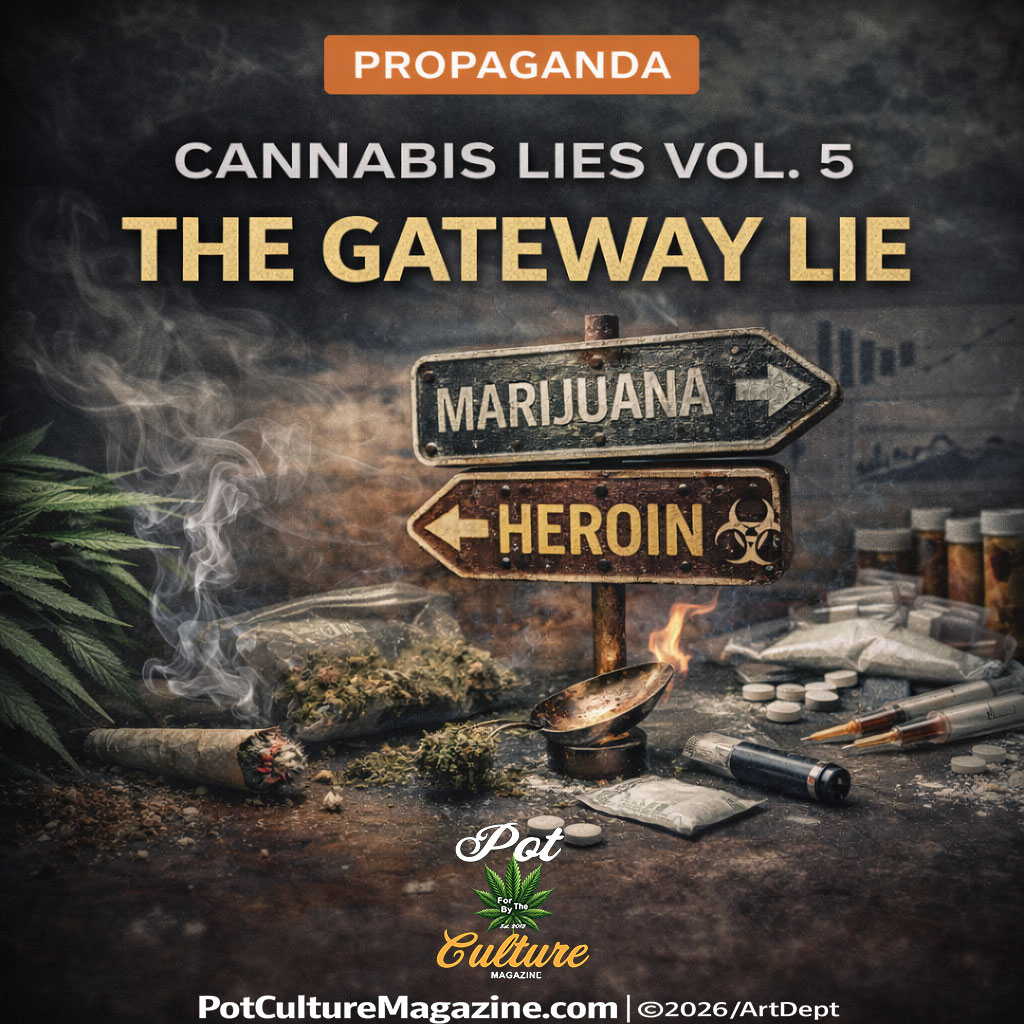
CANNABIS LIES Vol. 5: The Gateway Lie
For decades, politicians have claimed marijuana is a gateway to heroin and harder drugs. Federal youth surveys, NSDUH data, and NIDA’s own language tell a different story. Cannabis use is widespread, hard drug use remains rare, and most users do not progress. The data dismantles one of prohibition’s most durable fear narratives.

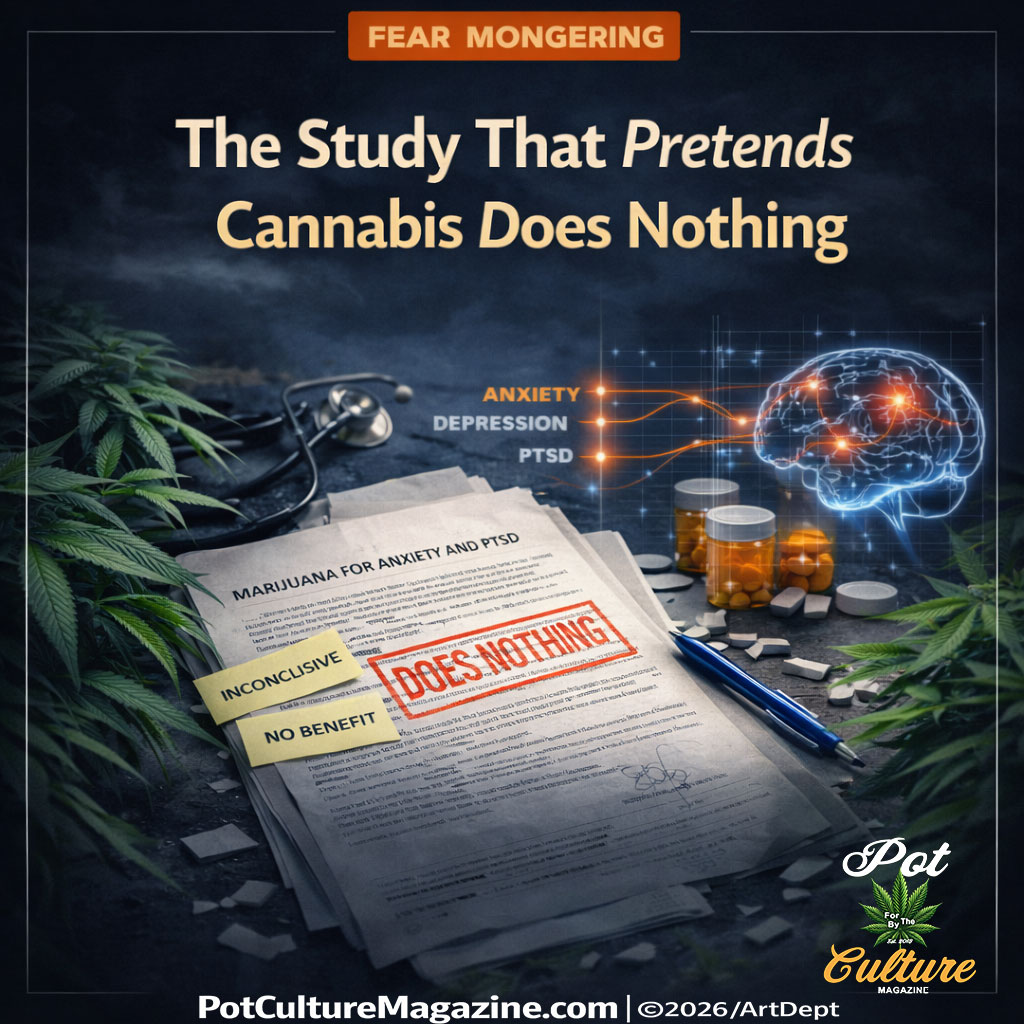
The Study That Pretends Cannabis Does Nothing
A new cannabis study claims marijuana does nothing for anxiety, depression, or PTSD. The reality is far more complicated. Decades of federal restrictions, limited research access, and synthetic substitutes have shaped the science. This breakdown exposes how incomplete data and selective interpretation continue to drive misleading headlines about cannabis and mental health.
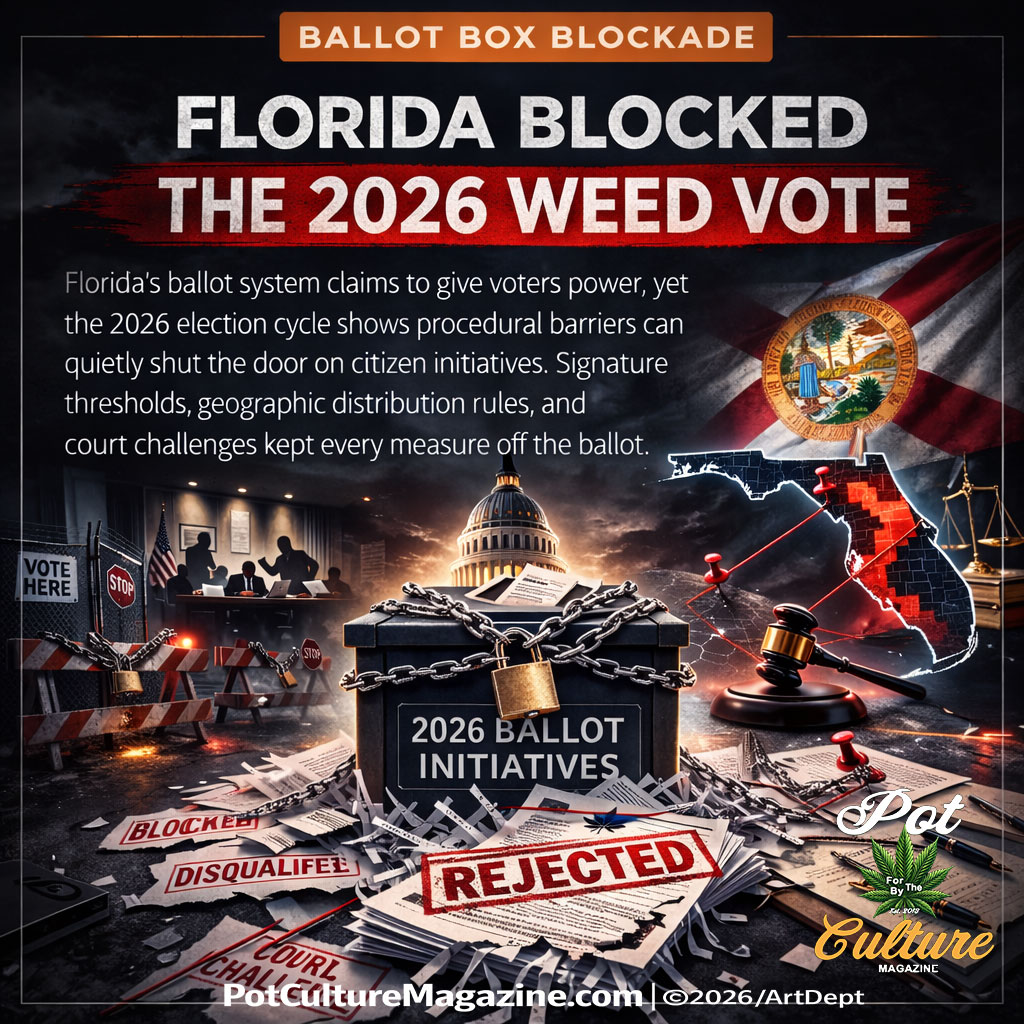
Florida Blocked the 2026 Weed Vote
Florida’s ballot system claims to give voters power, yet the 2026 election cycle shows how procedural barriers can quietly shut the door on citizen initiatives. Signature thresholds, geographic distribution rules, and court challenges blocked every measure from reaching voters, revealing how cannabis legalization fights are often decided by bureaucratic design long before election day.
advertisement
Public health never needed prohibition; it needed honesty. Teenagers were told a joint would destroy their lives, then watched adults get high, raise kids, and pay taxes. Credibility snapped. Prohibition pushed products toward higher potency and zero labeling. Legal markets label THC, safety test, and educate consumers. Prohibition gave you a handshake in a parking lot and a shrug.
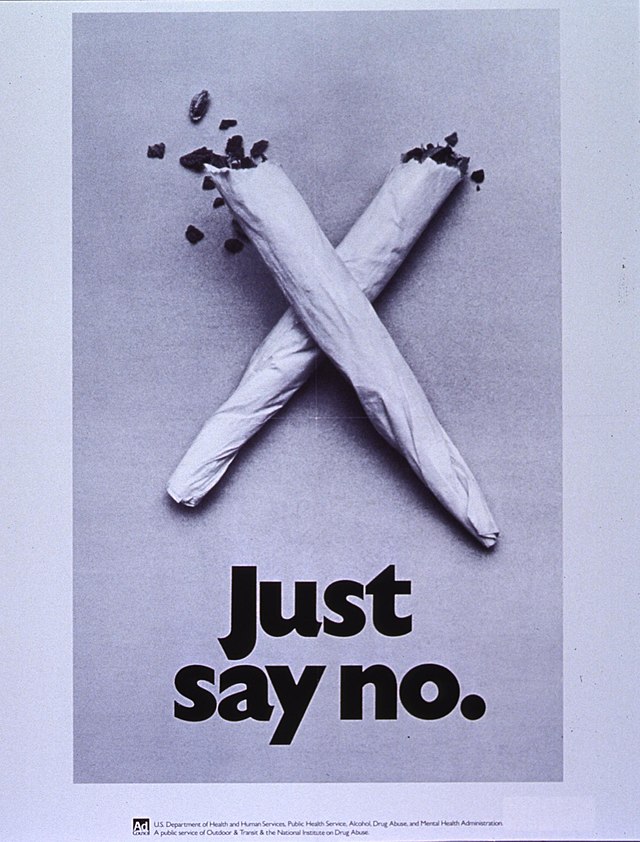
If prohibition had worked, legalization would have looked like a collapse. It does not. Uruguay legalized in 2013, and nothing burned. Youth use stayed flat. Crime did not rise. Canada legalized in 2018, arrests dropped, and tax revenue rolled in. Colorado opened its doors in 2014 and has since collected over three billion dollars in cannabis taxes. Teen use stayed level. Roads did not turn into carnage. The fears were false. The results are real.
The world is catching up. Portugal decriminalized all drugs in 2001 and saw overdose deaths fall. Spain’s social clubs proved adults can share and grow without chaos. Germany moved toward adult use. Thailand reversed course after trying prohibition again and realizing it was losing money and credibility. The sky never fell. The old guard just stopped looking up.
Look at the century’s cost. Millions arrested. Generations with criminal records for a vice less harmful than alcohol or tobacco. Police time wasted, science throttled, patients denied medicine. A plant that outlasted empires was turned into a crime scene so a few could stay in charge.
Ask who won. Police unions did. Politicians did. Private prisons did. Alcohol and pharmaceutical companies did. The media did, printing every scare headline they could sell. Fear is profitable. Truth is slow.
The victories are quieter but real. Freedom to light up without fear. Legal, labeled, tested product. Billions in tax revenue for schools and health care. Expungements that erase a century of bad policy. A path for farmers and small business owners to take back the market from cartels. And maybe most importantly, the ability to finally talk to young people honestly about cannabis without sounding like a government pamphlet.
This centenary is a reckoning. Prohibition was built on fear, not evidence. It protected power, not people. The fix is simple. Legalize, regulate, educate, and repair. Give scientists free rein. Write equity into every law. Let doctors talk instead of cops. Treat the plant like a product and the people who use it like adults.
Cannabis did not fail the last century. Prohibition did. It failed on its own terms and left the world poorer, sicker, and less free. The plant will be fine. The question is whether we will be honest enough to admit that the war was never about health. It was about control.
©2025 Pot Culture Magazine. All rights reserved. This content is the exclusive property of Pot Culture Magazine and may not be reproduced, distributed, or transmitted in any form or by any means without prior written permission from the publisher, except for brief quotations in critical reviews.
F O R T H E C U L T U R E B Y T H E C U L T U R E
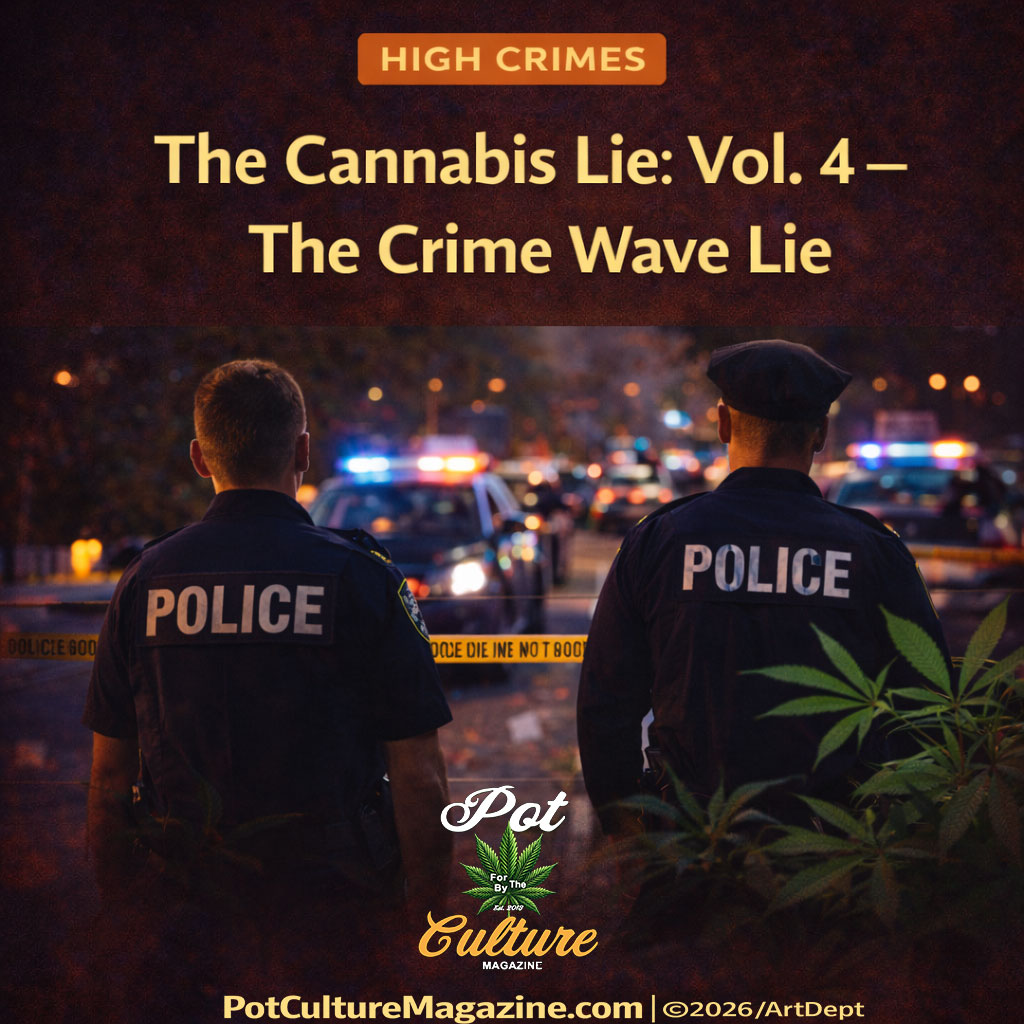
The Cannabis Lie: Vol. 4 — The Crime Wave Lie
Politicians and pundits warned that legal cannabis would unleash a crime wave. The data tell a different story. From Colorado’s violent crime trends to DOJ time-series research and statewide arrest declines, the evidence shows no consistent long-term surge tied to legalization. The numbers never matched the panic.

South Africa Legalized Weed, But Not the Market
South Africa recognized private adult cannabis use and home cultivation, but never built a legal domestic market around them. With buying and selling still largely outside the law, the illicit trade remains dominant while regulators scramble to set limits, draft rules, and prepare a broader Cannabis Bill that could finally address commerce.
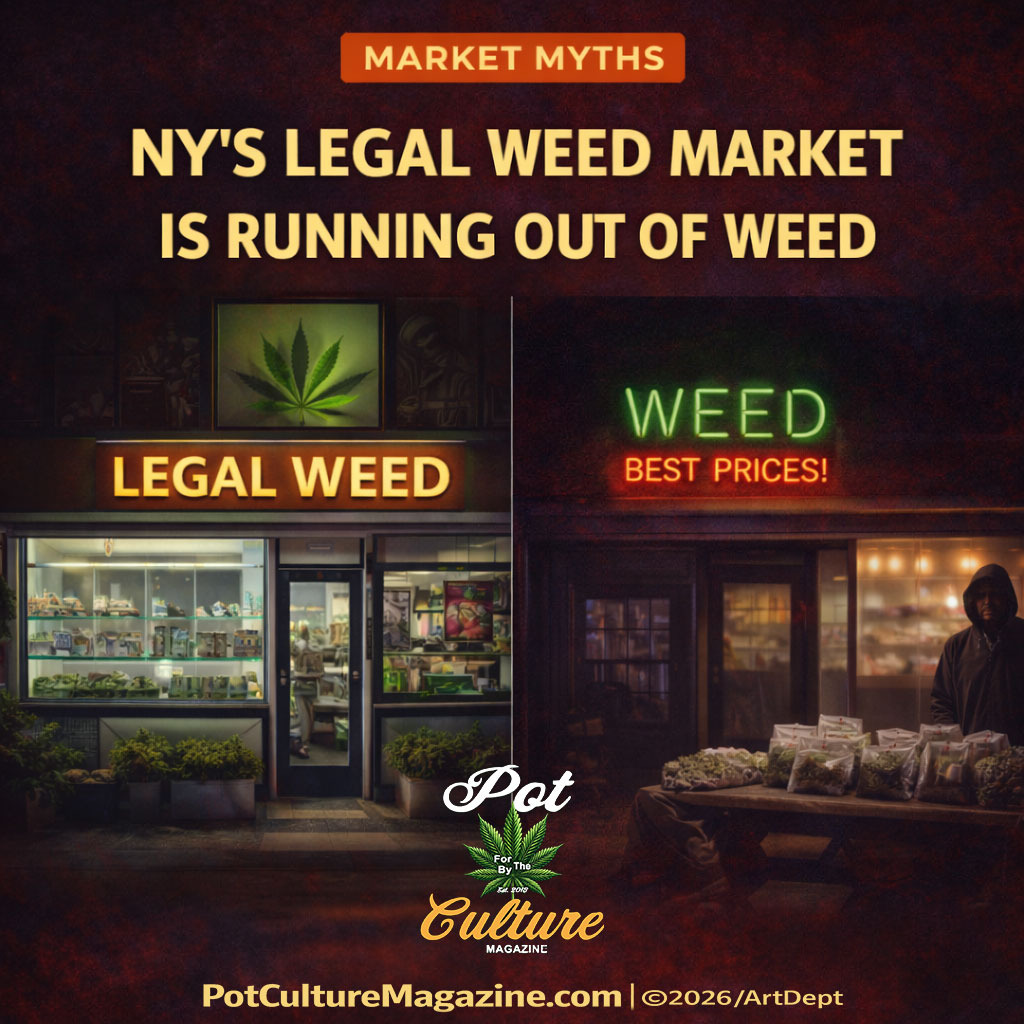
NY’s Legal Weed Market Is Running Out of Weed
New York legalized cannabis and opened hundreds of stores, but regulators now warn the legal market may not produce enough weed to keep them stocked. With nearly 600 stores open and sales nearing $3 billion, the state is discovering that legalization alone does not guarantee a functioning market.
Discover more from POT CULTURE MAGAZINE
Subscribe to get the latest posts sent to your email.

Leave a comment