Filed Under: Policy Failure in Real Time
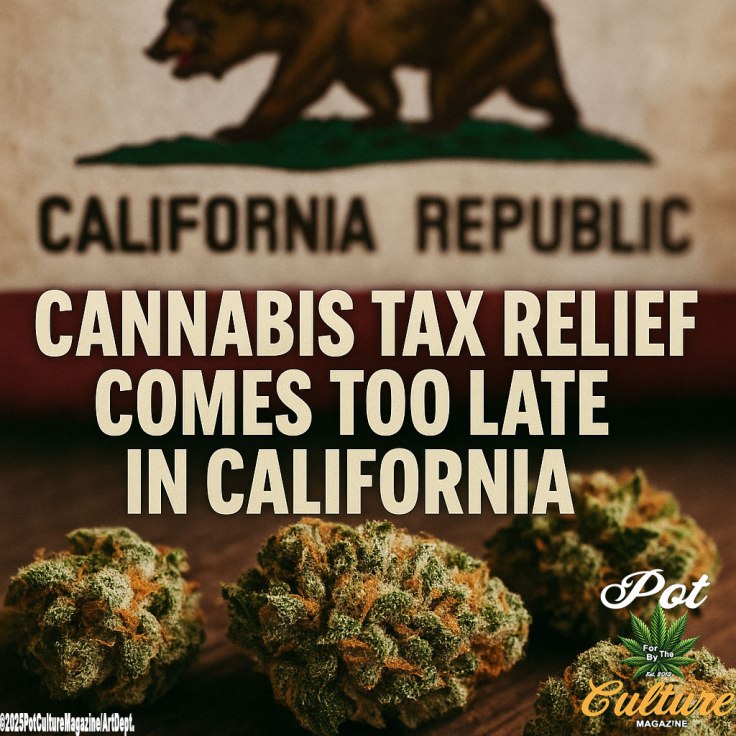
California lawmakers are finally offering tax relief to cannabis operators, but it feels like too little, too late. For years, the state squeezed every possible dollar out of growers, distributors, and dispensaries, bleeding the legal market while fueling the underground economy it was supposed to eliminate. Now, after hundreds of businesses have shuttered, after thousands of jobs have been lost, and after billions in potential tax revenue have been diverted into the black market, the same politicians who created the crisis are pretending they are here to save it.
The move comes as California faces its harshest cannabis recession since legalization began. The number of licensed cannabis businesses in the state has dropped by more than 20 percent in just the last two years. Cultivators have defaulted on loans, dispensaries have closed their doors, and consumers have drifted back to unlicensed sellers who offer cheaper prices without the crushing tax burden. The state that once branded itself the crown jewel of cannabis now looks like a cautionary tale.
This is not about growers failing to adapt. It is about a government that never gave them a chance. From the start, California piled on cultivation taxes, excise taxes, local taxes, and compliance fees that made running a legal operation nearly impossible. At one point, cultivators were paying a $161-per-pound tax just to move product into the legal system. Add to that the 15 percent excise tax and the local rates that in some areas topped 10 percent, and the numbers never worked. Legal weed became more expensive than street weed, and everyone acted surprised when customers chose the street.
Politicians knew this was happening. They knew because the data showed it. They knew because operators begged them for relief. They knew because state reports documented the steady growth of the illicit market. But instead of fixing the system, they kept promising that the next tweak, the next task force, the next enforcement blitz would make legalization work. It never did.
advertisement
F O R T H E C U L T U R E B Y T H E C U L T U R E
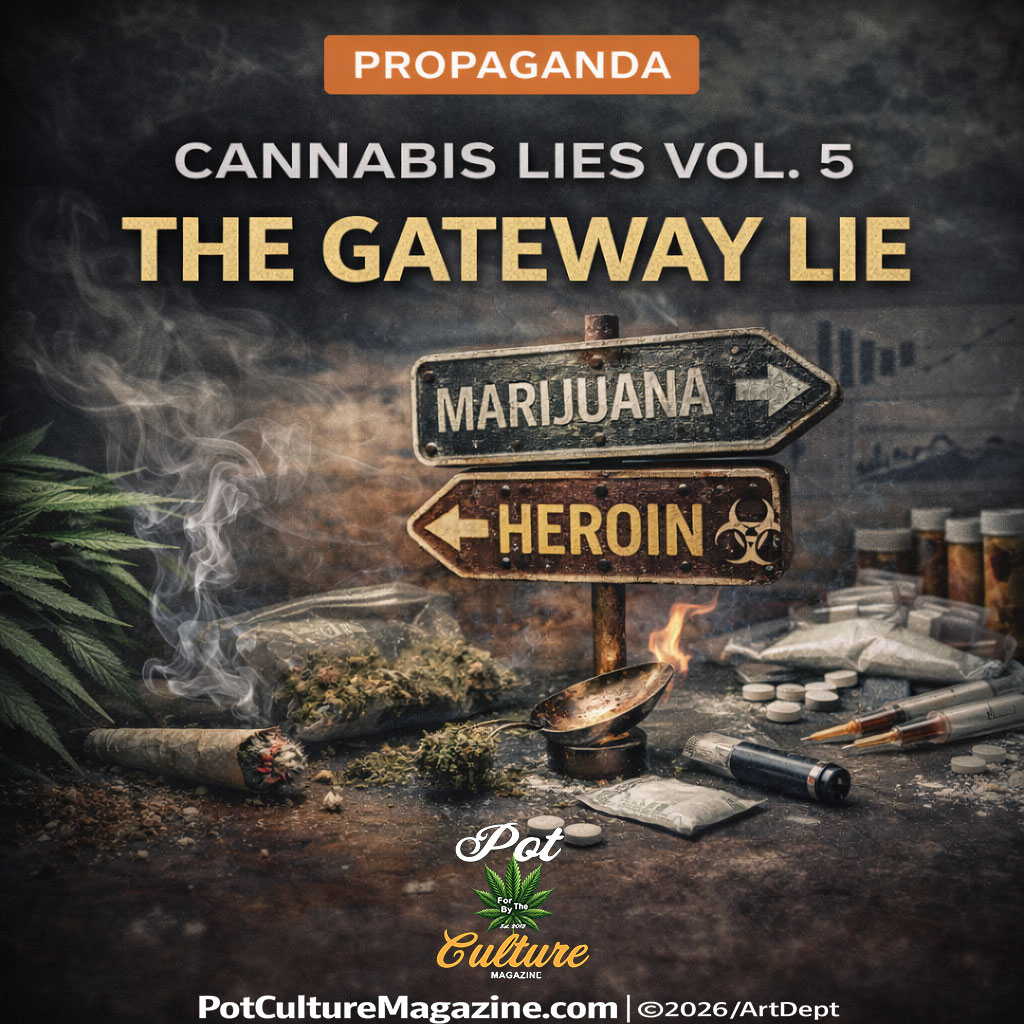
CANNABIS LIES Vol. 5: The Gateway Lie
For decades, politicians have claimed marijuana is a gateway to heroin and harder drugs. Federal youth surveys, NSDUH data, and NIDA’s own language tell a different story. Cannabis use is widespread, hard drug use remains rare, and most users do not progress. The data dismantles one of prohibition’s most durable fear narratives.

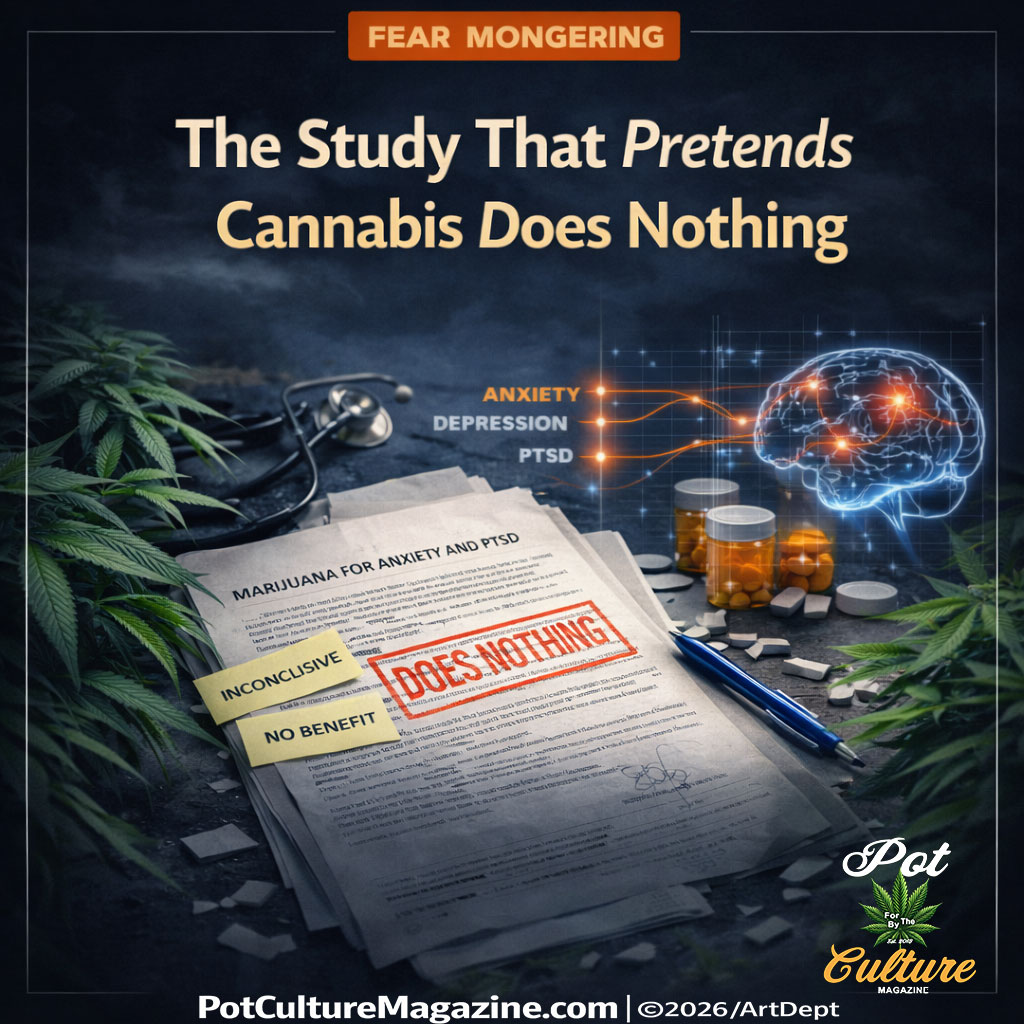
The Study That Pretends Cannabis Does Nothing
A new cannabis study claims marijuana does nothing for anxiety, depression, or PTSD. The reality is far more complicated. Decades of federal restrictions, limited research access, and synthetic substitutes have shaped the science. This breakdown exposes how incomplete data and selective interpretation continue to drive misleading headlines about cannabis and mental health.
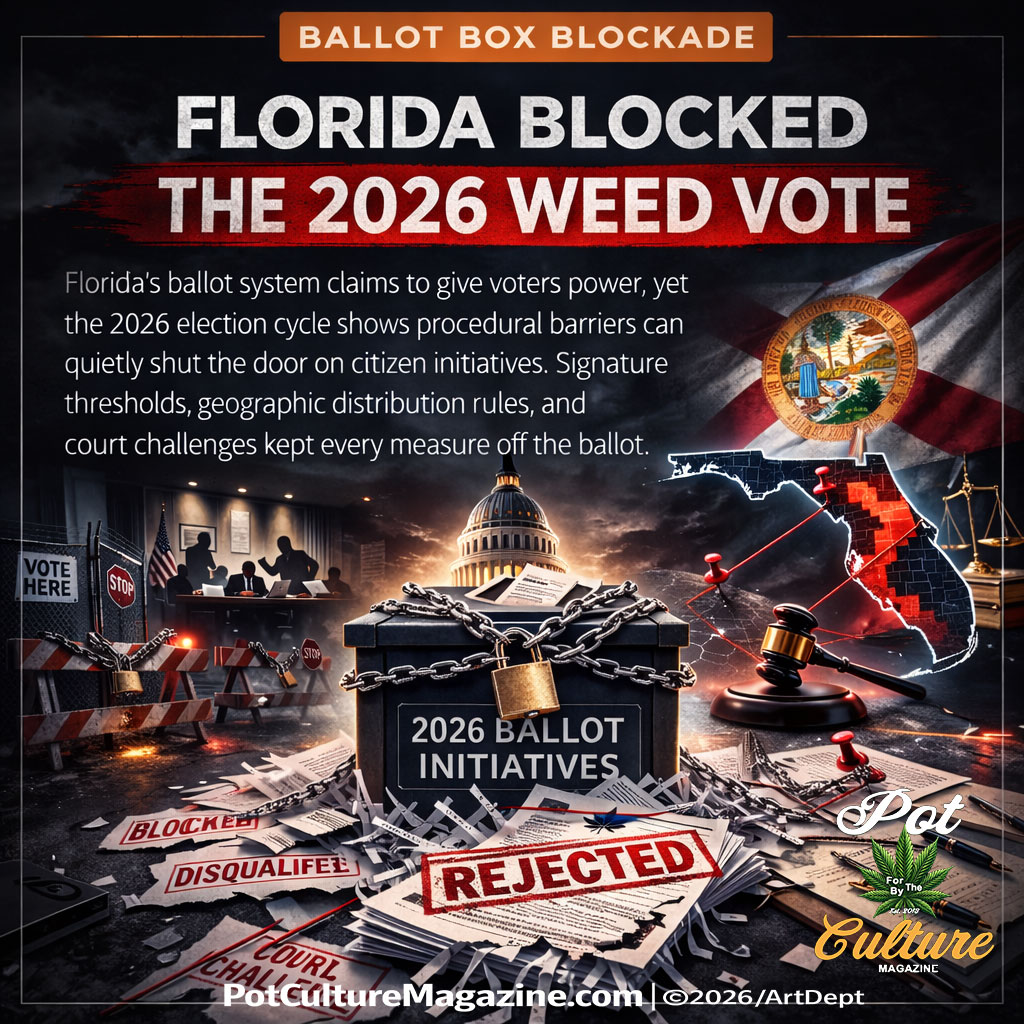
Florida Blocked the 2026 Weed Vote
Florida’s ballot system claims to give voters power, yet the 2026 election cycle shows how procedural barriers can quietly shut the door on citizen initiatives. Signature thresholds, geographic distribution rules, and court challenges blocked every measure from reaching voters, revealing how cannabis legalization fights are often decided by bureaucratic design long before election day.
advertisement
Now the state is cutting taxes, finally acknowledging what everyone in the industry has been screaming for years: the system was broken. But cutting taxes in 2025 does not erase the damage done since 2018. The California Department of Cannabis Control has already lost over 1,200 licensees in the past 18 months. Entire communities that invested in legal markets have seen their businesses collapse. Small farms in the Emerald Triangle, the heart of California cannabis culture, have gone under while corporate operators with deeper pockets survived the storm. What was supposed to be a pathway to legitimacy became a death trap for the very people legalization was supposed to protect.
The hypocrisy is staggering. California politicians brag about progressive values while presiding over one of the most regressive cannabis tax systems in the world. They talk about equity while equity applicants drown in fees and delays. They talk about protecting consumers while driving them into the arms of untested, unregulated sellers. And when the failure becomes undeniable, they cut taxes and act like saviors.
The truth is the state killed its own market. And this tax relief, while necessary, may come too late to bring it back. Consumers have already lost trust. Businesses have already gone bankrupt. The underground has already entrenched itself as the cheaper, easier option. Once that happens, it is nearly impossible to reverse.
Other states should pay attention. California is the biggest cannabis market in the world, and it has shown everyone exactly how not to do legalization. Do not overtax. Do not overregulate. Do not treat the plant like a cash machine. Because if you do, you will end up where California is now: scrambling to fix a disaster of your own making while pretending you did not see it coming.
Cannabis legalization was supposed to end prohibition, empower communities, and bring billions into public coffers. Instead, California turned it into another hustle, another way to shake down an industry while protecting the status quo. This tax cut is not a reform. It is a confession. And it is one that came far too late.
©2025 Pot Culture Magazine. All rights reserved. This content is the exclusive property of Pot Culture Magazine and may not be reproduced, distributed, or transmitted in any form or by any means without prior written permission from the publisher, except for brief quotations in critical reviews.
F O R T H E C U L T U R E B Y T H E C U L T U R E

The Cannabis Lie: Vol. 4 — The Crime Wave Lie
Politicians and pundits warned that legal cannabis would unleash a crime wave. The data tell a different story. From Colorado’s violent crime trends to DOJ time-series research and statewide arrest declines, the evidence shows no consistent long-term surge tied to legalization. The numbers never matched the panic.

South Africa Legalized Weed, But Not the Market
South Africa recognized private adult cannabis use and home cultivation, but never built a legal domestic market around them. With buying and selling still largely outside the law, the illicit trade remains dominant while regulators scramble to set limits, draft rules, and prepare a broader Cannabis Bill that could finally address commerce.
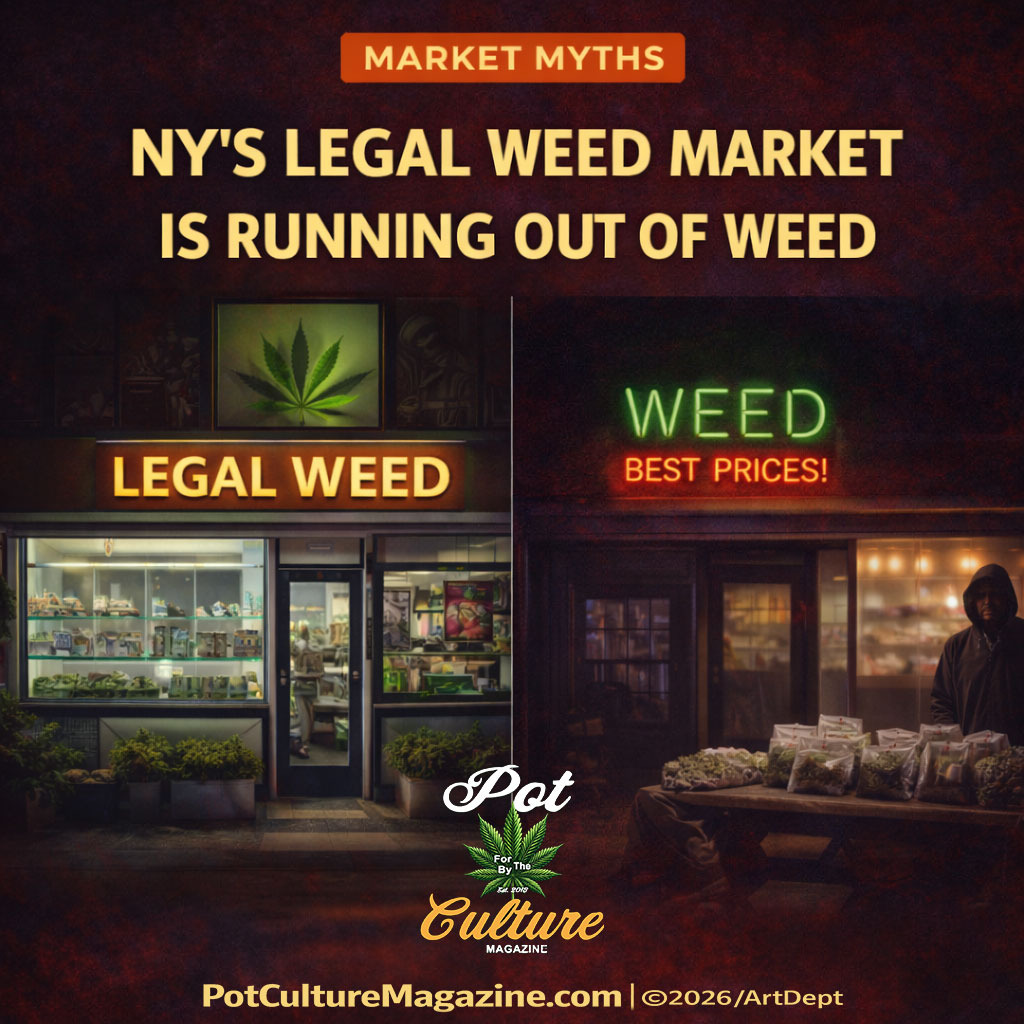
NY’s Legal Weed Market Is Running Out of Weed
New York legalized cannabis and opened hundreds of stores, but regulators now warn the legal market may not produce enough weed to keep them stocked. With nearly 600 stores open and sales nearing $3 billion, the state is discovering that legalization alone does not guarantee a functioning market.
Discover more from POT CULTURE MAGAZINE
Subscribe to get the latest posts sent to your email.

Leave a comment