Filed Under: The Last Honest Outlaw
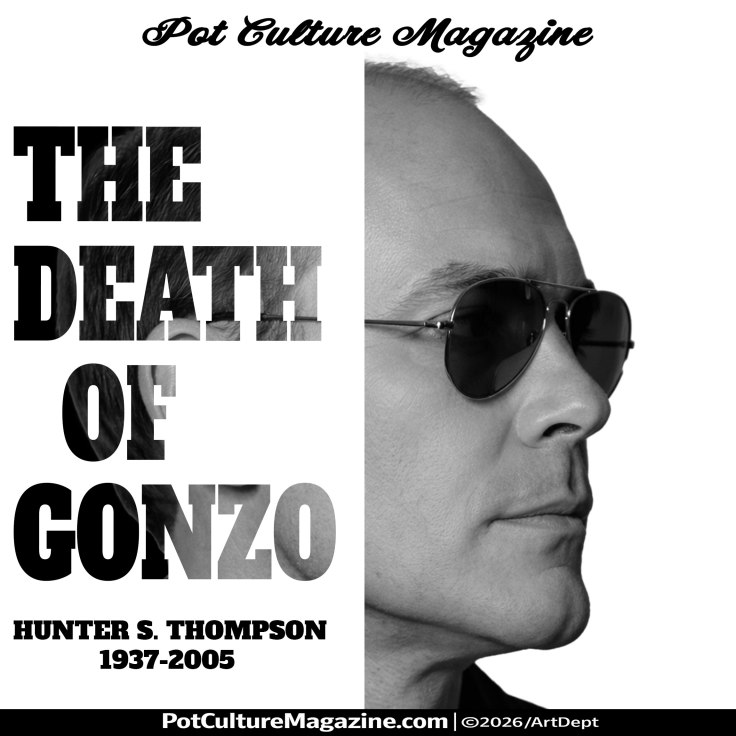
Twenty-one years, and it still lands like a gut punch. Hunter S. Thompson died on February 20, 2005, at Owl Farm in Woody Creek, Colorado. He was 67. His death was ruled a suicide, and Gonzo lost the only voice that could make America tell the truth by accident.
People still sell him as a caricature, a walking punchline in sunglasses. But the real Thompson was a technician of American rot, a writer who could hear the cash register inside a politician’s sentence. His genius wasn’t the chaos; it was the accuracy.
Gonzo was never a gimmick, and it was never just first-person theater. It was a method, drag the reader into the room, admit the reporter is part of the scene, and then report what the clean, “objective” version keeps scrubbing out. Thompson understood that neutrality can become a mask, and that the mask often protects power. So he tore the mask off, sometimes with humor, sometimes with venom, and sometimes with a kind of clarity that made people nervous because it landed too close to the truth.
Thompson understood something most writers dodged. He could love the freaks and still spot the predators, the grifters, the posers selling liberation like a product. He wrote from inside the chaos, but he never let the chaos off the hook, and he never mistook bullshit for truth.
This is why Thompson’s writing still feels dangerous today. Not because it’s “wild,” but because he refused to be complicit in the lie that the system is honest and only occasionally corrupt. He treated American institutions like a rigged game that survives by getting everyone to repeat the rules with a straight face. He didn’t just expose the con, he named the people paid to keep it invisible: the politicians, the press, the respectable types who call surrender “realism” and call complicity “being reasonable.”
“Objective journalism is one of the main reasons American politics has been allowed to be so corrupt for so long.”
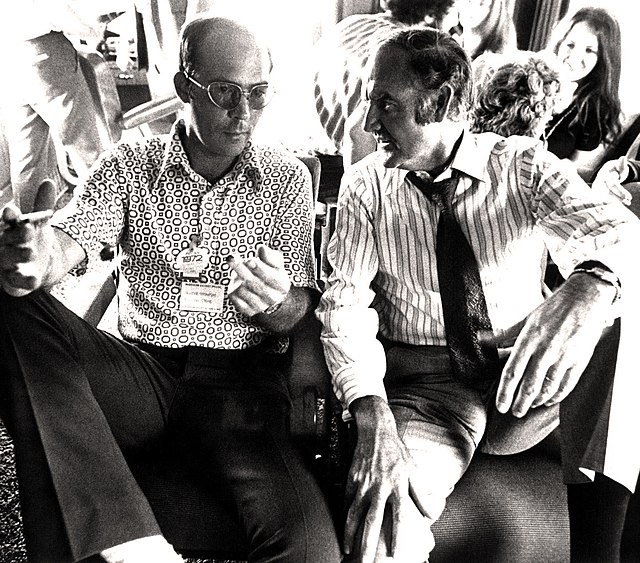
He proved it again and again, but the cleanest example is politics, because politics is where the lie gets laminated and sold as patriotism. On the campaign trail in 1972, Thompson didn’t write like a spectator taking notes in the bleachers. He wrote like someone trapped inside the machine, watching consultants manufacture “authenticity,” watching candidates rehearse emotions, watching reporters trade skepticism for access, then call it fairness.
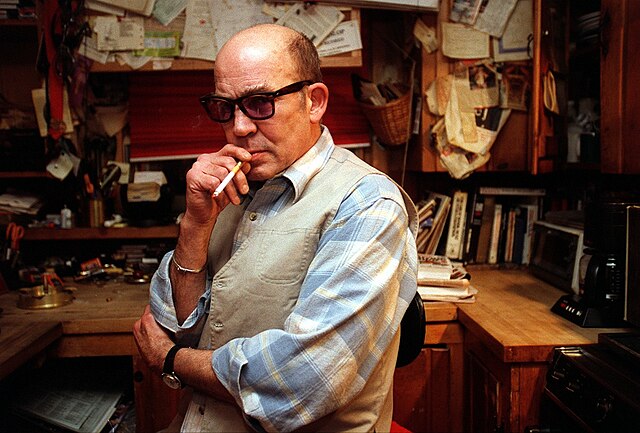
You can’t help but wonder what kind of literary hell Thompson would have reserved for today’s politicians, and for the slick new language they use to dress up the same old hustles. He would have had a field day with the performative outrage, the fundraising emails written like hostage notes, the consultants selling “authenticity” in precut packages, the hollow flag waving that shows up right on schedule whenever someone needs cover. There was a strange comfort in knowing he was out there somewhere, not neutral, not impressed, not trying to be invited back, ready to put a match to whatever fake story the powerful were selling that week. When you lose a writer like that, you don’t just lose a voice, you lose a kind of pressure, the sense that somebody might still say the quiet part out loud.
And nowhere has America’s “respectable” corruption been more blatantly obvious than in cannabis legislation. Decades of moral panic, junk science, and outright fear-mongering turned a plant into a political prop. Politicians perform moral outrage, then quietly cash the checks, and the mainstream media not only buys the bullshit, but they help distribute it as if repeating it makes it true. Cannabis never justified the scale of punishment it invited, and that mismatch is the tell. Thompson would have eviscerated the whole cast, the lawmakers, the cops, with press conferences, the pundits clutching pearls, and the editors who kept printing the official line, while exposing the central hypocrisy of legalization, the same system that criminalized millions now trying to look civilized while it figures out how to profit.
“The current laws were passed in a time of mass hysteria and total ignorance about marijuana. This single law has made felons out of an entire generation… Approximately 50 percent of the felony cases filed in Pitkin County in the last three years have been possession of marijuana. A hopeless waste.”
He also would have hated the way legalization got sold as “progress” while keeping the old punishment logic intact. In one state, it’s a taxed commodity, in the next, it’s still an arrest, and in plenty of places, it’s both, depending on who you are, where you live, and how much money you have. That isn’t reform, it’s rebranding. The same institutions that spent decades lying about weed now get to write the rules, pick the winners, and call it justice.
The tragedy is that cannabis never needed to be redeemed; it needed to be understood. The plant became a screen Americans projected their fears onto, and the state turned that fear into policy, careers, budgets, and prison time. Even now, with dispensaries lit up like Apple stores and politicians posing for legalization photo ops, the old propaganda still leaks through the cracks, impairment panic, “gateway” nonsense, public safety theater, the same recycled talking points with new fonts. Thompson would have recognized it as the same racket wearing a different hat, and he would have aimed his anger where it belonged, at the people who sold the lie and the institutions that kept cashing it.
That’s where Gonzo still matters for a weed magazine, not as a costume, but as a standard. Cannabis coverage is crawling with soft language and paid optimism, press release “news,” brand safe profiles, policy pieces that never name who profits from the rules. Outlaw journalism is the antidote, the willingness to say what the polite version keeps editing out, to call a racket a racket, to follow the paper trail, to treat “progress” as a claim that has to be proven. Thompson did that instinctively. The only difference now is that the hustlers have better PR and more money.
Thompson paid for that kind of clarity. He made enemies, he burned bridges, and he lived with a head full of noise that most people spend their lives trying to mute. But he also left a simple lesson for anyone serious about telling the truth: comfort is usually the first bribe. The moment you start writing to stay invited, to stay employable, to stay “reasonable,” you start sanding down the only parts that matter. Hunter never sanded. He carved.
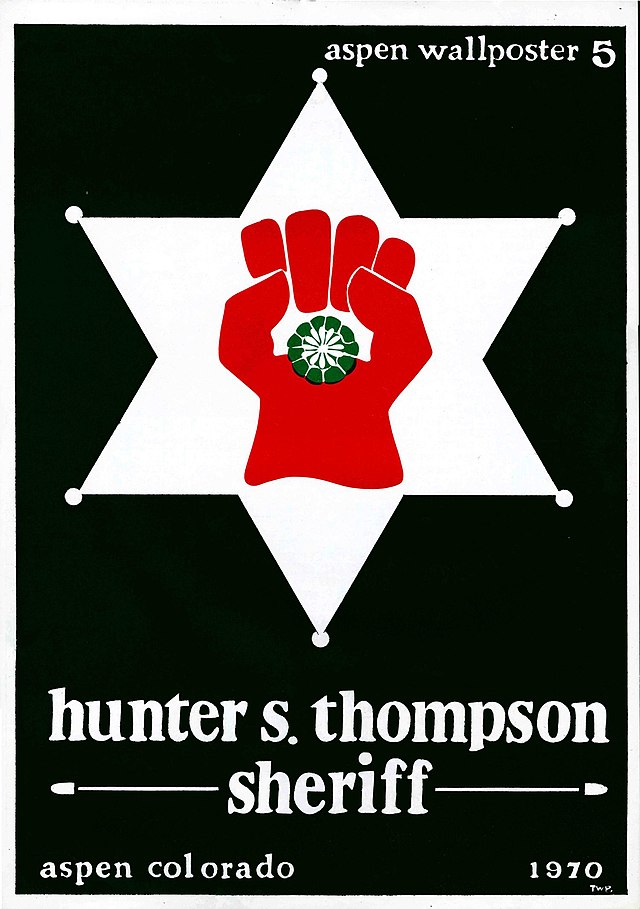
He wasn’t just a critic with a loud typewriter, either. He showed up. The Aspen sheriff run wasn’t performance art; it was a writer stepping into the machinery he spent his life diagnosing. He wasn’t asking for permission; he was testing whether a community could refuse the bland, purchased version of “progress” and choose something with teeth, something that protected people instead of property. He lost the election, but the attempt is the point. It proves the anger was not a brand. It was a principle.
That’s why the cheap version of Hunter has always been such a convenient product. The costume is safe. The costume is funny. The costume never files public records requests, never names the donors, never asks why enforcement looks one way in rich ZIP codes and another way everywhere else. The costume lets people quote him without hearing him. The real Thompson was a threat because he kept dragging the reader back to the same uncomfortable place, the place where hypocrisy lives. He did not want your admiration. He wanted your attention. He wanted you alert.
Twenty-one years later, the country he wrote about feels less like history and more like a continuation. Cannabis is legal in parts of America now, and yet the old logic still lingers in the air like smoke that won’t clear: who gets forgiven, who gets fenced out, who gets licensed, who gets raided, who gets called “responsible,” who gets called “criminal.” If Thompson were here, he’d aim straight at that gap and light it up. The best way to mark him isn’t to turn him into a saint. It’s to keep the standard he set, tell the truth, name the con, and refuse the polite lie, especially when the lie is profitable.
The point isn’t nostalgia. The point is pressure. Hunter applied pressure to the people who deserved it, and he did it with language sharp enough to cut through the fog. That kind of writing is rare, and in cannabis journalism, it’s still rarer. So if you’re going to say his name, mean it. Write like the stakes are real. Because they are.
©2026 Pot Culture Magazine. All rights reserved. This content is the exclusive property of Pot Culture Magazine and may not be reproduced, distributed, or transmitted in any form or by any means without prior written permission from the publisher, except for brief quotations in critical reviews.
F O R T H E C U L T U R E B Y T H E C U L T U R E
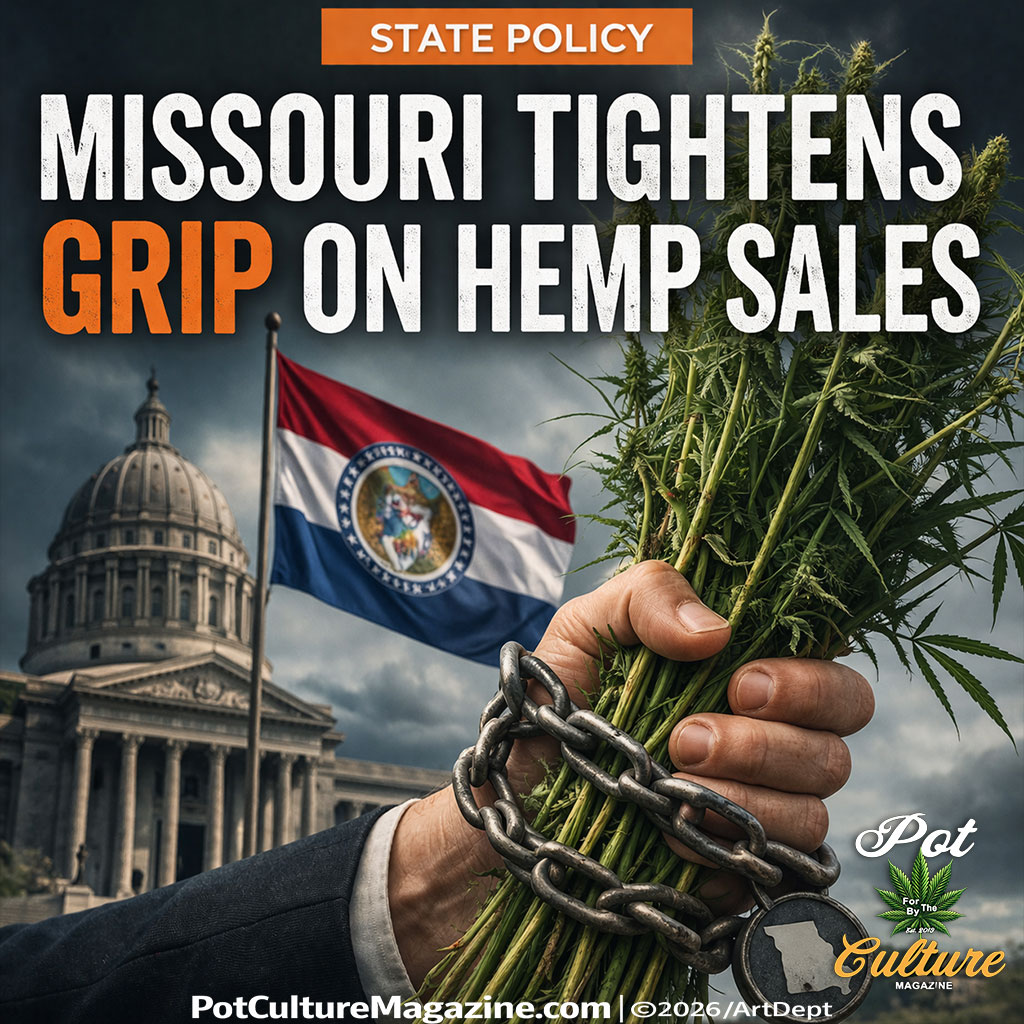
Missouri Tightens Grip On Hemp Sales
Missouri legalized cannabis, then moved to squeeze intoxicating hemp into the dispensary system. HB 2641 is being sold as consumer protection, but critics say it protects licensed marijuana operators while threatening hemp retailers, growers, and small businesses across the state.

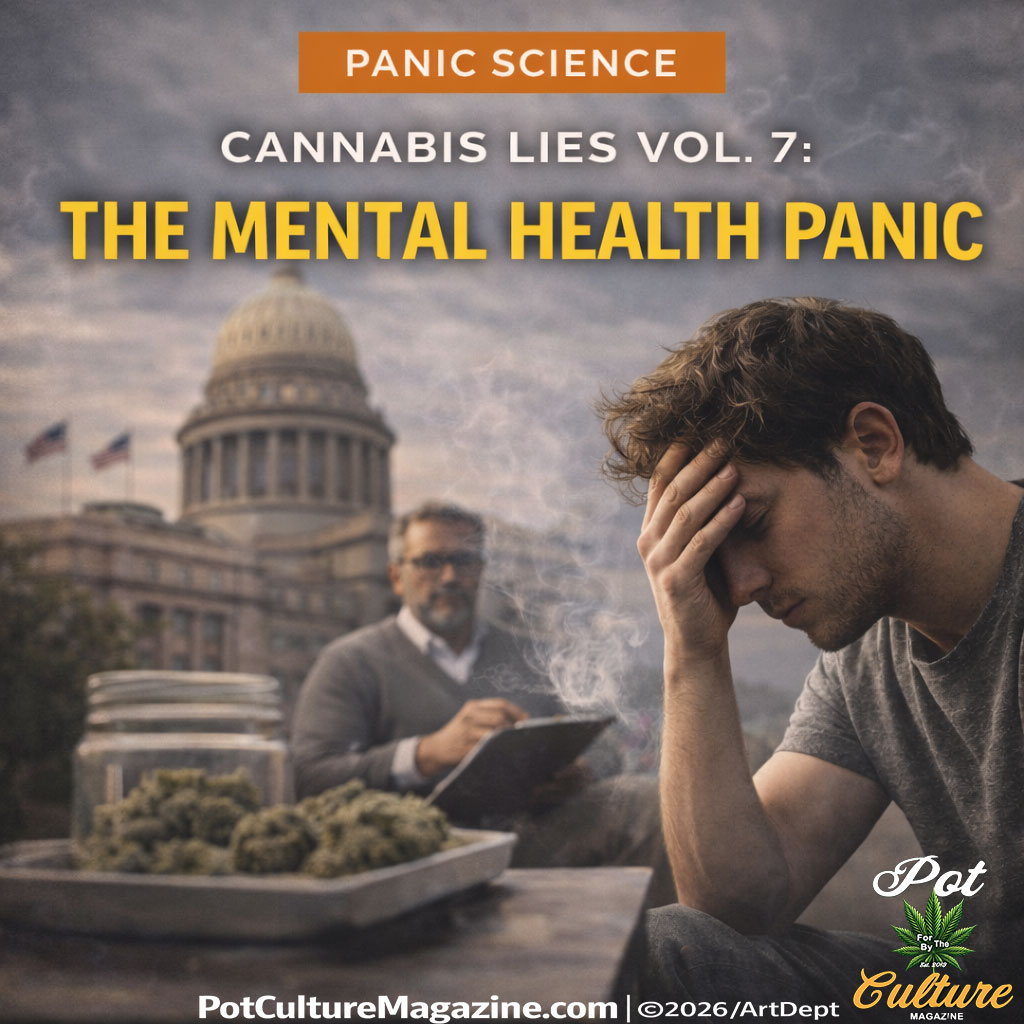
CANNABIS LIES Vol. 7: The Mental Health Panic
Cannabis and mental health risks are often overstated in public debate. Research shows heavy use and high THC exposure can increase psychosis risk in vulnerable individuals, but widespread claims of a mental health crisis lack strong evidence. This piece examines the data, separates correlation from causation, and breaks down what cannabis users need to know.

IDAHO TRIES TO STOP A VOTE BEFORE IT STARTS
Idaho lawmakers passed a resolution urging voters to reject a medical cannabis initiative before it reaches the ballot. The move highlights how officials are shaping public opinion ahead of a vote, while maintaining strict prohibition and blocking even limited access for patients.
Discover more from POT CULTURE MAGAZINE
Subscribe to get the latest posts sent to your email.

Leave a comment