Filed Under: Science Under Scrutiny
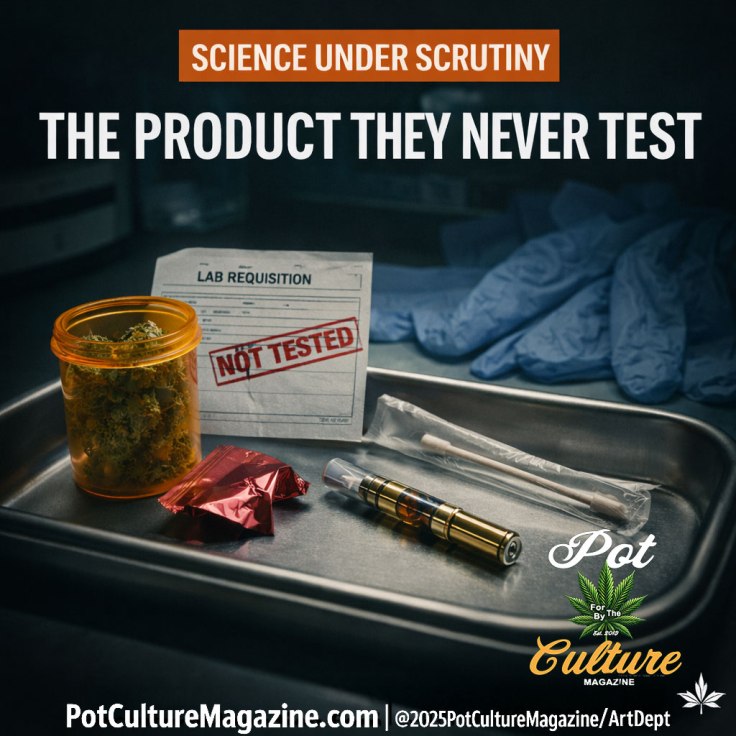
Hospitals treat cannabis related illness through a predictable process. Patients often arrive with vomiting, nausea, dizziness, sweating, or abdominal pain. Intake questions are asked. Bloodwork is ordered. Fluids are administered. Cannabis use is noted. A diagnosis is entered before the most obvious variable is examined.
Cannabinoid Hyperemesis Syndrome is frequently entered into the medical chart. The patient leaves believing cannabis caused the episode. The investigation ends without examining the product involved. What was smoked, vaped, or eaten is excluded from the diagnostic process entirely.
The conclusion is based on symptoms alone, while the substance that produced those symptoms remains unexamined.
During a live broadcast, JM Pedini of NORML raised a procedural question. Why are hospitals willing to run panels on blood and urine but unwilling to examine the cartridge, edible, concentrate, or device involved? Pesticides, mold, microbes, solvents, cutting agents, and heavy metals are capable of producing the same reactions attributed to cannabis, yet none are screened during diagnosis.
The medical system lacks a formal framework for product testing in suspected cannabis related illness cases.
HELP POT CULTURE MAGAZINE STAY ALIVE, AND INDEPENDENT
Many patients report repeated use of the same product before symptoms appear. The pattern often involves a specific brand, flavor, or device. That consistency is rarely reflected in the diagnosis. Responsibility is placed on the user rather than the item consumed.
Modern cannabis exists across a wide spectrum of production methods and delivery systems. Oils, distillates, gummies, and cartridges introduce variables not present in unprocessed flower. Solvents, additives, terpene blends, and heating elements introduce additional exposure risks. These distinctions are ignored when illness is attributed to cannabis as a single cause.
Vomiting, abdominal pain, dizziness, and sweating are consistent with multiple forms of toxic or chemical exposure. The symptoms align with pesticide exposure, mold ingestion, solvent residue, bacterial contamination, metal leaching, overheating coils, or cutting agents. None of these possibilities receives formal evaluation before cannabis itself is blamed.
A responsible investigation would begin with the product. The edible, extract, or flower would be isolated and analyzed. Contaminants would be identified or ruled out. Findings would guide the diagnosis. This approach is standard in foodborne illness and chemical exposure investigations. It is not applied here.
Cannabis is treated as a monolithic substance rather than a category shaped by sourcing, processing, and hardware. A vape cartridge is not flower. Distillate gummies are not hash. Hardware materials vary. Terpene formulations are not uniform. These factors affect exposure and risk.
Labeling contamination-driven reactions as a chronic syndrome shifts attention away from manufacturing and supply chains. It allows unsafe products to remain in circulation.
Documented contamination in cannabis products already exists. Regulatory recalls and lab reports have identified vitamin E acetate in cartridges, pesticide levels above legal limits in extracts, mold in flower, solvent residue in edibles, and lead leaching from hardware. These risks are not routinely evaluated in emergency room settings.
Assigning a definitive medical label without confirming product purity replaces evidence with assumption. It closes the case before the cause is known.
Advertisement
F O R T H E C U L T U R E B Y T H E C U L T U R E
CANNABIS LIES Vol. 5: The Gateway Lie
For decades, politicians have claimed marijuana is a gateway to heroin and harder drugs. Federal youth surveys, NSDUH data, and NIDA’s own language tell a different story. Cannabis use is widespread, hard drug use remains rare, and most users do not progress. The data dismantles one of prohibition’s most durable fear narratives.

The Study That Pretends Cannabis Does Nothing
A new cannabis study claims marijuana does nothing for anxiety, depression, or PTSD. The reality is far more complicated. Decades of federal restrictions, limited research access, and synthetic substitutes have shaped the science. This breakdown exposes how incomplete data and selective interpretation continue to drive misleading headlines about cannabis and mental health.
Advertisement
Patients deserve answers grounded in testing. If hospitals examined what was actually consumed, outcomes would change. Some cases would support a CHS diagnosis. Others would reveal contamination. Both conclusions require investigation. Neither occurs without product analysis.
Cannabis has always carried one essential principle. Know the source. That principle disappears in clinical settings. Physicians rely on pattern recognition rather than chemical analysis. Regulators emphasize compliance while overlooking purity. Consumers rely on labels that cannot account for every variable. The people who get sick are left with incomplete explanations.
A product-based illness requires a product-based investigation. Until that becomes standard practice, CHS diagnoses remain provisional. Each case rests on uncertain ground. Patients receive a name for their suffering without understanding its origin.
This issue does not require panic or moral framing. It requires accuracy. It requires collaboration among laboratories, physicians, regulators, advocates, and growers. It requires engagement with the realities of modern cannabis production.
Science depends on evidence. Safety depends on verification. Truth depends on asking the right question.
Until the products are tested, the story remains unfinished.
©2025, Pot Culture Magazine. All rights reserved. This is the property of Pot Culture Magazine and is protected by U.S. and international copyright laws. Unauthorized reproduction, distribution, or transmission of this work, in part or in whole, without the express written permission of Pot Culture Magazine is strictly prohibited.
F O R T H E C U L T U R E B Y T H E C U L T U R E
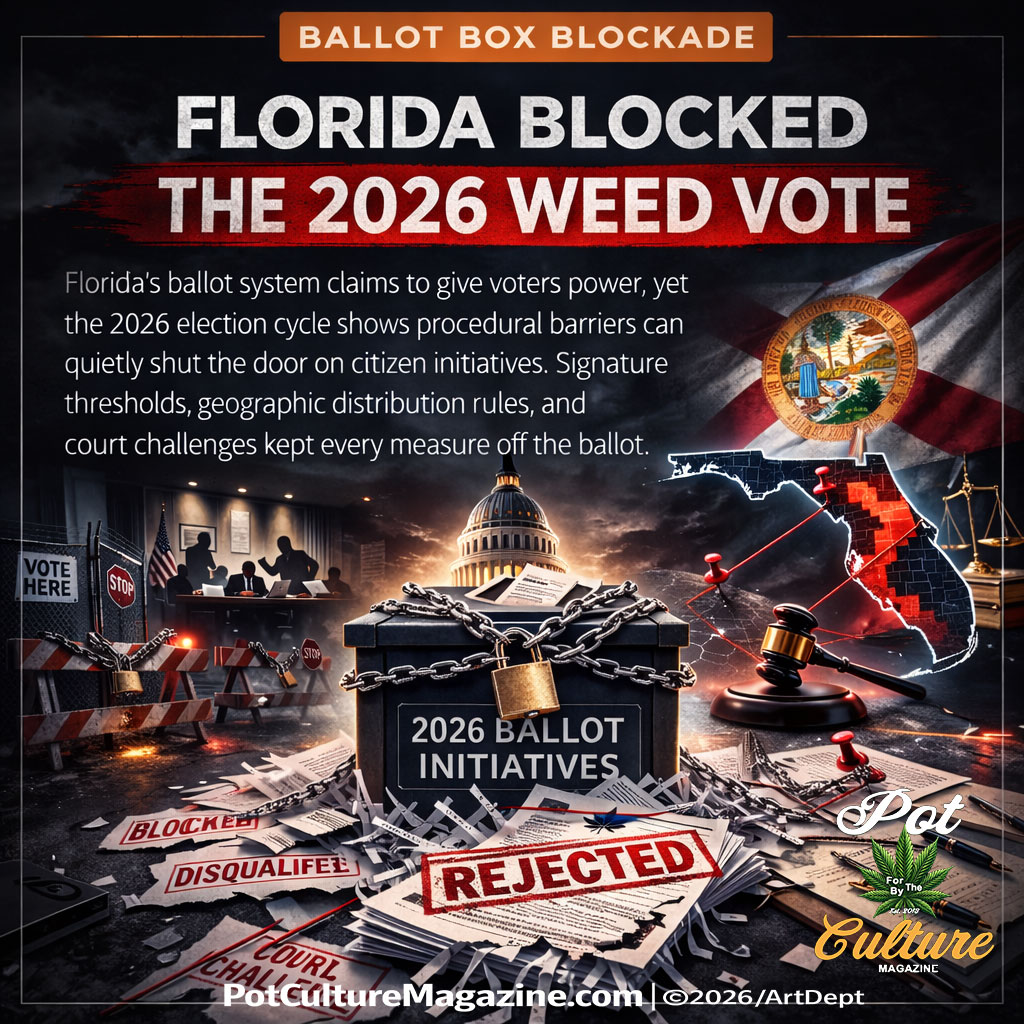
Florida Blocked the 2026 Weed Vote
Florida’s ballot system claims to give voters power, yet the 2026 election cycle shows how procedural barriers can quietly shut the door on citizen initiatives. Signature thresholds, geographic distribution rules, and court challenges blocked every measure from reaching voters, revealing how cannabis legalization fights are often decided by bureaucratic design long before election day.

The Cannabis Lie: Vol. 4 — The Crime Wave Lie
Politicians and pundits warned that legal cannabis would unleash a crime wave. The data tell a different story. From Colorado’s violent crime trends to DOJ time-series research and statewide arrest declines, the evidence shows no consistent long-term surge tied to legalization. The numbers never matched the panic.

South Africa Legalized Weed, But Not the Market
South Africa recognized private adult cannabis use and home cultivation, but never built a legal domestic market around them. With buying and selling still largely outside the law, the illicit trade remains dominant while regulators scramble to set limits, draft rules, and prepare a broader Cannabis Bill that could finally address commerce.
Discover more from POT CULTURE MAGAZINE
Subscribe to get the latest posts sent to your email.

Leave a comment