Filed Under: Blame it on the weed, it was the trigger

Ariel Spillner, twenty-six, was a pharmacy student with plans for her life. On the night of November 4, 2025, she was at a home near 39th and Lancaster in Milwaukee, Wisconsin, with her friend Jamica Mills. They smoked together, talked, and at some point, Mills went into her bedroom and brought back a Ruger LCP .380 handgun she had bought legally. Minutes later, Spillner was dead, shot once in the chest. Mills had a self-inflicted wound in her abdomen and survived.

Police asked what happened. Mills said she became paranoid after smoking marijuana. That one line became the headline. Television anchors repeated it as fact, reporters ran with it, and within hours, the story was no longer about a gun or a killing, but about weed.
Every broadcast leaned on the same phrase: “marijuana-induced paranoia.” The news had its villain, and it was green. What they didn’t emphasize was that the Ruger belonged to Mills, that it was loaded, and that she kept it on her bed. They didn’t mention that she left the room to get it, brought it back, and fired at someone who had not threatened her. They didn’t focus on the two casings, the self-inflicted shot, or the confusion that followed.
The criminal complaint, obtained by WTMJ Milwaukee, describes the Ruger LCP .380 handgun, a Ruger box with purchase paperwork in Mills’s name, .380 ammunition in her bedroom, and two spent casings matched to that firearm. Mills admits firing the shot that killed Spillner and says she later shot herself.
When police arrived, she fought medical staff and gave inconsistent statements before finally saying she fired the weapon. She also acknowledged knowing that guns can kill. The complaint does not attribute the gun to anyone else.
Prosecutors have charged Mills with first-degree reckless homicide, use of a dangerous weapon, under Wisconsin Statute 940.02(1), a crime that carries up to sixty-five years in prison. The state does not accuse her of illegal firearm possession. There is no mention in the complaint of a criminal record or diagnosed mental illness, and no evidence presented so far of psychosis beyond her own statement about feeling paranoid. The case will play out in Milwaukee County Court, but already the cultural verdict has been delivered.
The media’s obsession with cannabis as the trigger is old. It goes back to Harry Anslinger, to Reefer Madness, to the idea that a joint could turn a peaceful person violent. That myth refuses to die because it is useful. It lets the public avoid harder questions about guns, about access, about the ease of pulling a trigger when fear meets metal.
advertisement
F O R T H E C U L T U R E B Y T H E C U L T U R E

CANNABIS LIES Vol. 5: The Gateway Lie
For decades, politicians have claimed marijuana is a gateway to heroin and harder drugs. Federal youth surveys, NSDUH data, and NIDA’s own language tell a different story. Cannabis use is widespread, hard drug use remains rare, and most users do not progress. The data dismantles one of prohibition’s most durable fear narratives.

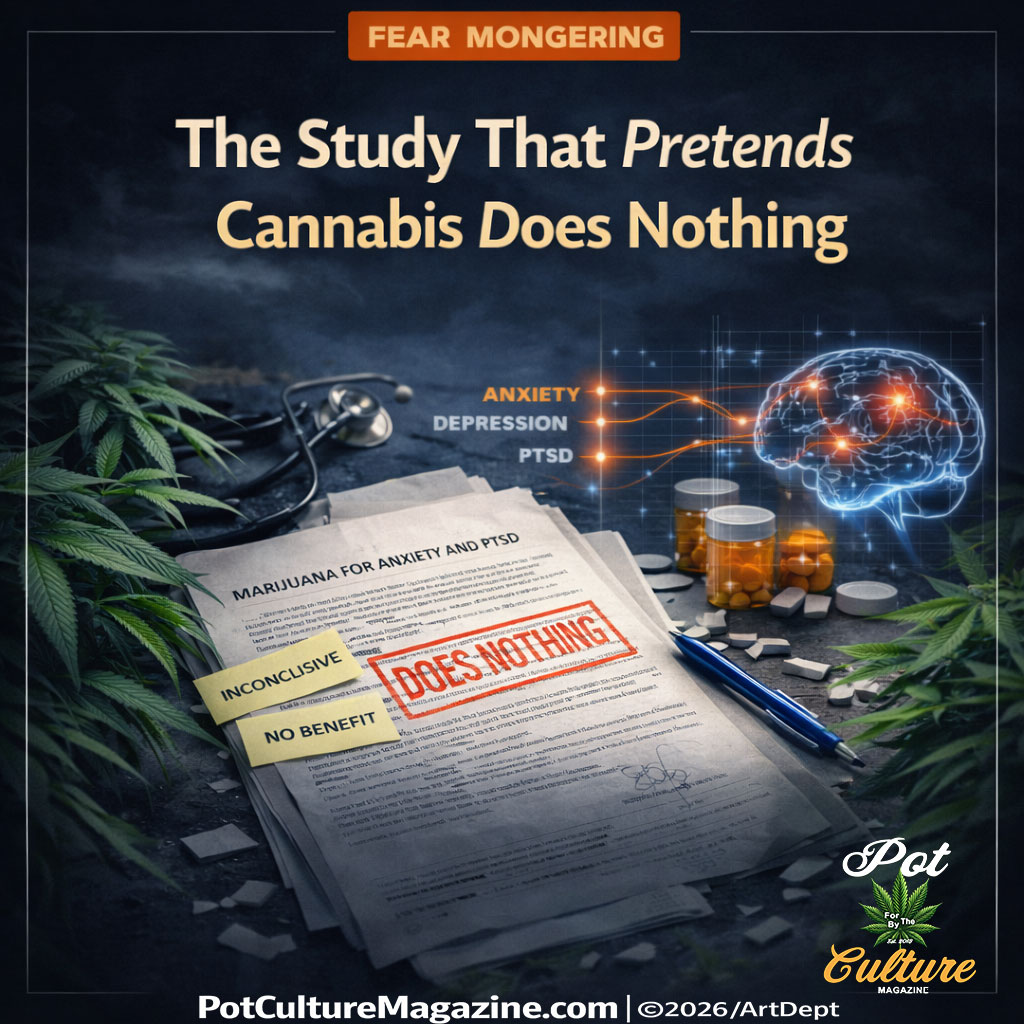
The Study That Pretends Cannabis Does Nothing
A new cannabis study claims marijuana does nothing for anxiety, depression, or PTSD. The reality is far more complicated. Decades of federal restrictions, limited research access, and synthetic substitutes have shaped the science. This breakdown exposes how incomplete data and selective interpretation continue to drive misleading headlines about cannabis and mental health.
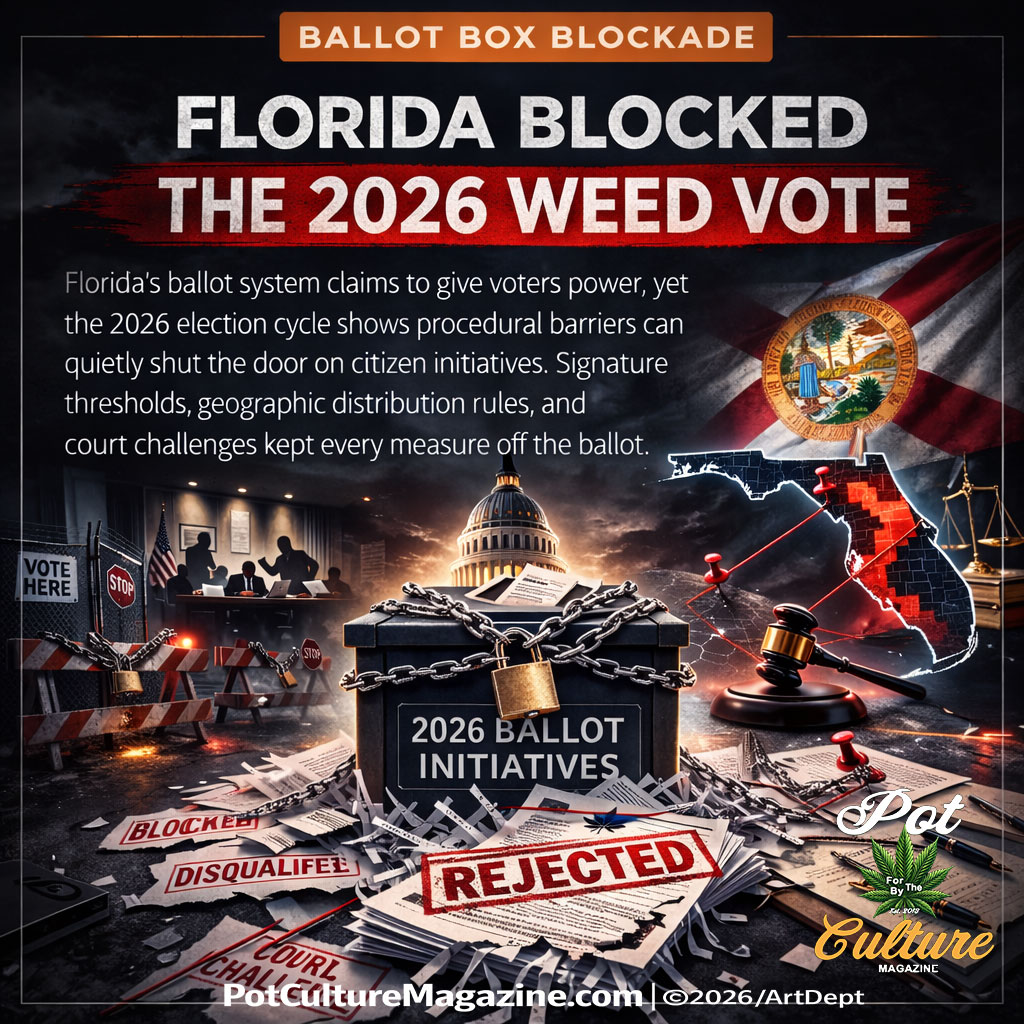
Florida Blocked the 2026 Weed Vote
Florida’s ballot system claims to give voters power, yet the 2026 election cycle shows how procedural barriers can quietly shut the door on citizen initiatives. Signature thresholds, geographic distribution rules, and court challenges blocked every measure from reaching voters, revealing how cannabis legalization fights are often decided by bureaucratic design long before election day.
advertisement
No toxicology report has been made public showing what Mills smoked or how potent it was. Reporters quoting the complaint note only her statement about feeling paranoid after smoking. Toxicology results, if any exist, have not been released.
Wisconsin law does not support “I was high” as a defense. Under Statute 939.42, intoxication is a defense only if it is involuntary. Choosing to use a substance, including cannabis, does not excuse a homicide. The reckless-homicide statute defines reckless behavior as showing utter disregard for human life. By that definition, keeping a loaded gun on your bed and firing it during an argument qualifies.
This case should be about a weapon and the decisions around it. Instead, it became another data point in a lazy narrative that blames the plant. That narrative erases real context. It ignores how easily accessible handguns create moments of irreversible panic. It diverts attention from mental health, from storage safety, from impulse control.
Wisconsin’s courts have never accepted intoxication as a shield. The law allows a defense only for involuntary intoxication, and appellate decisions treat drug or alcohol use as an aggravating factor, not a free pass. There is no recognized defense in Wisconsin that cannabis use alone makes a killing legally blameless.
When newsrooms echo police phrasing without question, they become amplifiers for stigma. When they center marijuana instead of accountability, they feed prohibition with modern language. The framing is deliberate. A line like “she became paranoid after smoking” gives audiences a simple villain and lets everyone else off the hook.
No one asked why a handgun was kept loaded in a home shared with family. No one questioned whether Mills had any training, whether she stored the weapon safely, or whether her paranoia existed long before that night. The story stopped at the blunt.
Two lives collapsed because one person made a reckless choice with a gun. Cannabis did not load that Ruger, buy it, or teach its owner how to aim. Cannabis did not write the headlines that recycled eighty-year-old propaganda. Fox 6 Milwaukee and other outlets led with the “paranoid after smoking” line because it was easy and clickable.
The press owes the public better. Journalism should separate evidence from assumption, especially when the assumption props up a broken system. A responsible outlet would ask for toxicology data, would question the rush to blame, would trace how fear of the plant still shapes policy and perception in 2025.
The truth is uncomfortable. Guns are normalized in this country, cannabis is not. That difference defines who lives and who dies, and how the story gets told afterward.
Ariel Spillner is gone. Jamica Mills faces decades in prison. The headlines have already decided why.
© 2025 Pot Culture Magazine. All rights reserved. This content is the exclusive property of Pot Culture Magazine and may not be reproduced, distributed, or transmitted in any form or by any means without prior written permission from the publisher, except for brief quotations in critical reviews.
F O R T H E C U L T U R E B Y T H E C U L T U R E

The Cannabis Lie: Vol. 4 — The Crime Wave Lie
Politicians and pundits warned that legal cannabis would unleash a crime wave. The data tell a different story. From Colorado’s violent crime trends to DOJ time-series research and statewide arrest declines, the evidence shows no consistent long-term surge tied to legalization. The numbers never matched the panic.

South Africa Legalized Weed, But Not the Market
South Africa recognized private adult cannabis use and home cultivation, but never built a legal domestic market around them. With buying and selling still largely outside the law, the illicit trade remains dominant while regulators scramble to set limits, draft rules, and prepare a broader Cannabis Bill that could finally address commerce.

NY’s Legal Weed Market Is Running Out of Weed
New York legalized cannabis and opened hundreds of stores, but regulators now warn the legal market may not produce enough weed to keep them stocked. With nearly 600 stores open and sales nearing $3 billion, the state is discovering that legalization alone does not guarantee a functioning market.
Discover more from POT CULTURE MAGAZINE
Subscribe to get the latest posts sent to your email.

Leave a comment