Filed Under: Agriculture Held Hostage

In the Scottish Highlands, a cold wind cuts across a field that should be green with hemp. It’s empty now, just soggy soil and memory. Generations ago, Scotland’s land thrived with hemp crops destined for rope, sails, and seed. In fact, hemp grew on Scottish soil for millennia, predating even the earliest clans. But today, a Scottish farmer looking to plant hemp faces more red tape and suspicion than someone opening a whisky distillery. Hemp was a hero crop of Scotland’s past, and if some scrappy farmers have their way, it will be again.
Right now, if a Scottish farmer wants to grow hemp, they need a license from the UK Home Office. You read that right: to grow a plant that won’t get anyone high, our farmers have to beg permission as if they’re making moonshine. And even if they get that coveted license (which costs money and time), it comes with a ridiculous catch.
By law, UK hemp growers must cut down and compost the plant’s leaves and flowers. These are the parts containing the CBD oil, the strongest fibre, and most of the crop’s profit potential. Yet farmers have to trash them because of microscopic traces of THC. It’s so absurd you’d think it’s a bad joke: imagine telling a brewer to pour out his beer because it has alcohol.
Meanwhile, British shops legally sell CBD oils and hemp products imported from places like Denmark and the United States. The government is perfectly fine with someone else growing and processing hemp, just not our own growers. The hypocrisy is enough to make a Highland crofter cuss into his porridge.
So how did we get here? The story is one of old drug laws and power struggles between Edinburgh and London. Under the Misuse of Drugs Act 1971, cannabis is a controlled substance, and that law doesn’t meaningfully distinguish low-THC industrial hemp from its high-THC cousin. Drug policy is a reserved matter under the Scotland Act 1998, meaning Westminster holds the reins, not the Scottish Parliament. Agriculture might be devolved, but when it comes to hemp, Holyrood’s hands are tied by Westminster’s paranoia.
Even so, the Scottish Government is trying to show it’s eager. In October, its agriculture team and the ClimateXChange network hosted a conference to “explore opportunities” for hemp. They had researchers talking up hempcrete insulation and farmers extolling hemp’s role in cutting carbon. It was all very optimistic, yet everyone knew that unless Westminster loosens the leash, it’s mostly hot air.
advertisement
F O R T H E C U L T U R E B Y T H E C U L T U R E
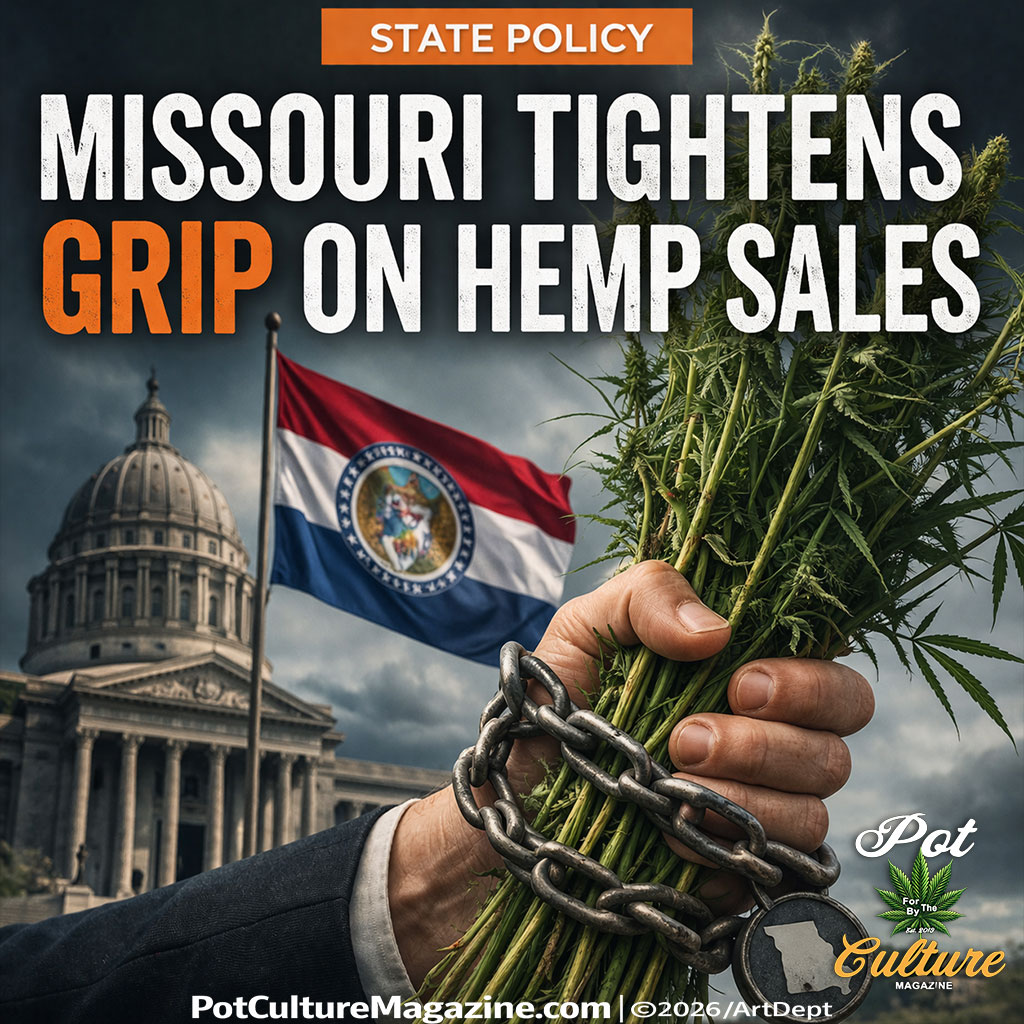
Missouri Tightens Grip On Hemp Sales
Missouri legalized cannabis, then moved to squeeze intoxicating hemp into the dispensary system. HB 2641 is being sold as consumer protection, but critics say it protects licensed marijuana operators while threatening hemp retailers, growers, and small businesses across the state.

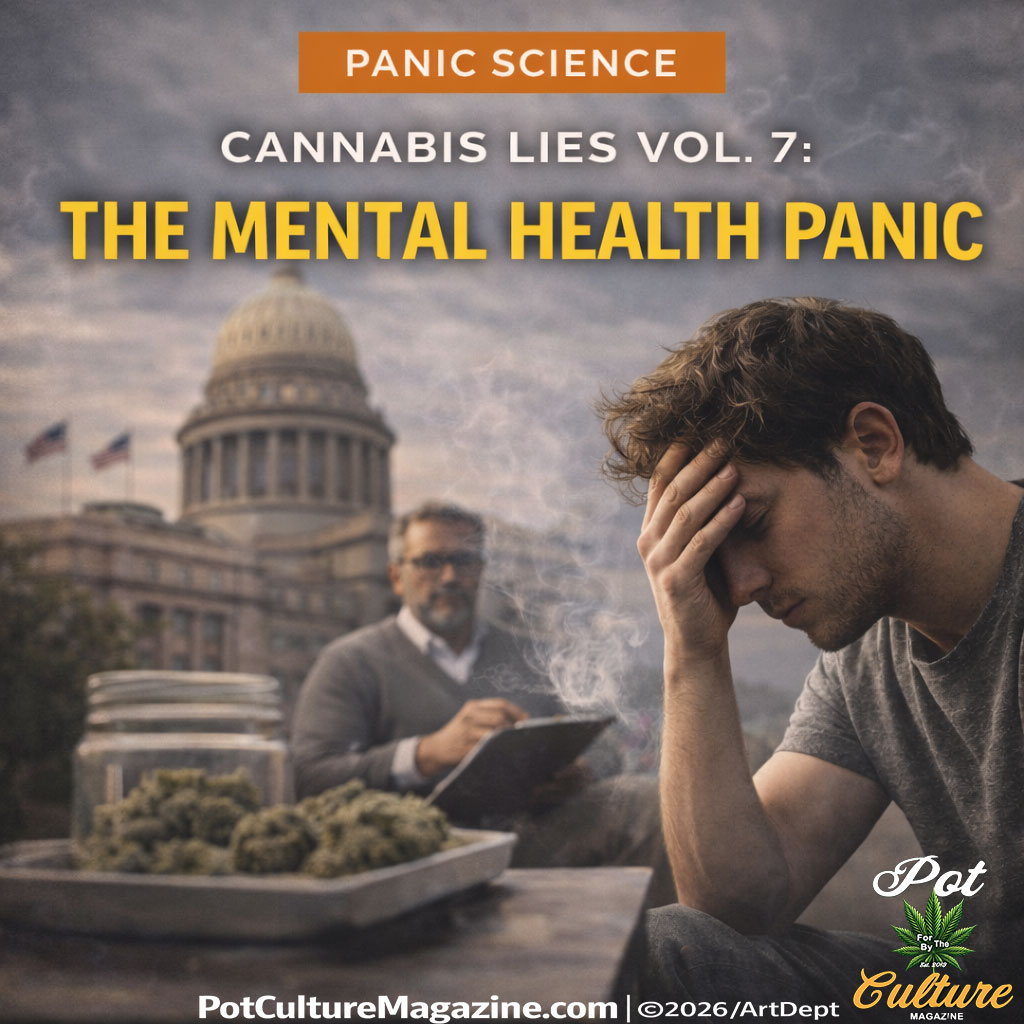
CANNABIS LIES Vol. 7: The Mental Health Panic
Cannabis and mental health risks are often overstated in public debate. Research shows heavy use and high THC exposure can increase psychosis risk in vulnerable individuals, but widespread claims of a mental health crisis lack strong evidence. This piece examines the data, separates correlation from causation, and breaks down what cannabis users need to know.
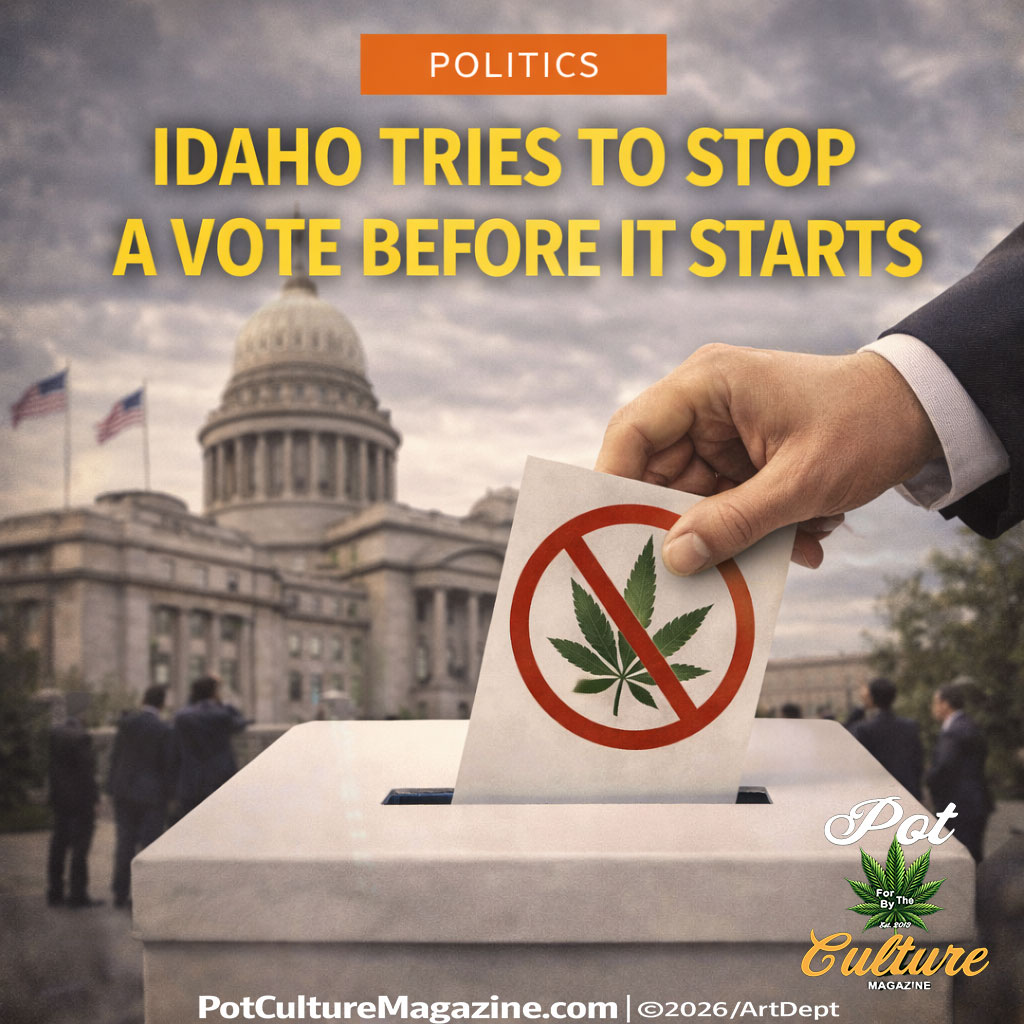
IDAHO TRIES TO STOP A VOTE BEFORE IT STARTS
Idaho lawmakers passed a resolution urging voters to reject a medical cannabis initiative before it reaches the ballot. The move highlights how officials are shaping public opinion ahead of a vote, while maintaining strict prohibition and blocking even limited access for patients.
advertisement
Ronnie Cowan, an SNP MP for Inverclyde, pressed a Home Office minister in 2023 on why hemp cultivation is still treated like a crime. He even suggested giving hemp oversight to DEFRA instead of leaving it under narcotics control. The minister promised a “light-touch” approach. For Scottish farmers, that’s about as comforting as a half measure of whisky on a cold night.
In 2022, eight Scottish farmers produced the nation’s first batch of cold-pressed hemp oil, part of the Scottish Hemp Growers Association. Amber oil flowed from a repurposed press at a feed mill near Oldmeldrum.
Ali Easson, a pioneer farmer, launched Hemp It Up in Angus, selling cold-pressed hemp oil, hemp protein powder, and soaps. Her launch was grassroots entrepreneurship against a backdrop of regulatory nonsense.
The University of Aberdeen Rowett Institute has been studying hemp’s nutritional value and how the crop performs in Scotland. They found that hemp absorbs carbon dioxide, improves soil health, and yields seeds packed with protein. Professor Wendy Russell called it “ideally placed to boost protein and fibre intake.”
That research informed the 2024 Scottish Hemp Opportunities Report, which outlines short- and long-term strategies: carbon credits, processing infrastructure, and potentially devolving hemp oversight. The blueprint is on the table.
The British Hemp Alliance, a national advocacy group, is pushing for policy change, joined by the National Farmers Union. NFU crops chair Jamie Burrows said hemp offers “huge potential for British arable farmers.”
Scotland’s growers face a classic chicken-and-egg problem. No mills, no processing. No processing, no industry. Everyone’s waiting for someone else to jump first. The investment risk is too high without government backing.
France cultivates nearly 20,000 hectares of hemp. The United States legalized hemp federally in 2018. China exports massive quantities. Lithuania grows thousands of hectares.
In Denmark, Endoca has built a vertically integrated CBD brand from seed to shelf. They began with Danish hemp fields and turned into a global name. Proof that with smart regulation, hemp can thrive.
In 2022, the UK cultivated about 800 hectares of hemp. An industry-backed initiative dubbed “Hemp-30” aims to expand this to 80,000 hectares by 2031. On paper, it sounds great. In practice, the laws haven’t caught up.
If you want to help, support the Scottish Hemp Association and British Hemp Alliance. Write your MSPs and MPs and ask why Scottish farmers are banned from capitalizing on a carbon-sequestering, protein-rich, zero-high crop. Tell them the current system is unsustainable, irrational, and unfit for a green economy.
Scotland’s farmers are ready to sow. All they need now is permission.
©2025 POT CULTURE MAGAZINE
F O R T H E C U L T U R E B Y T H E C U L T U R E
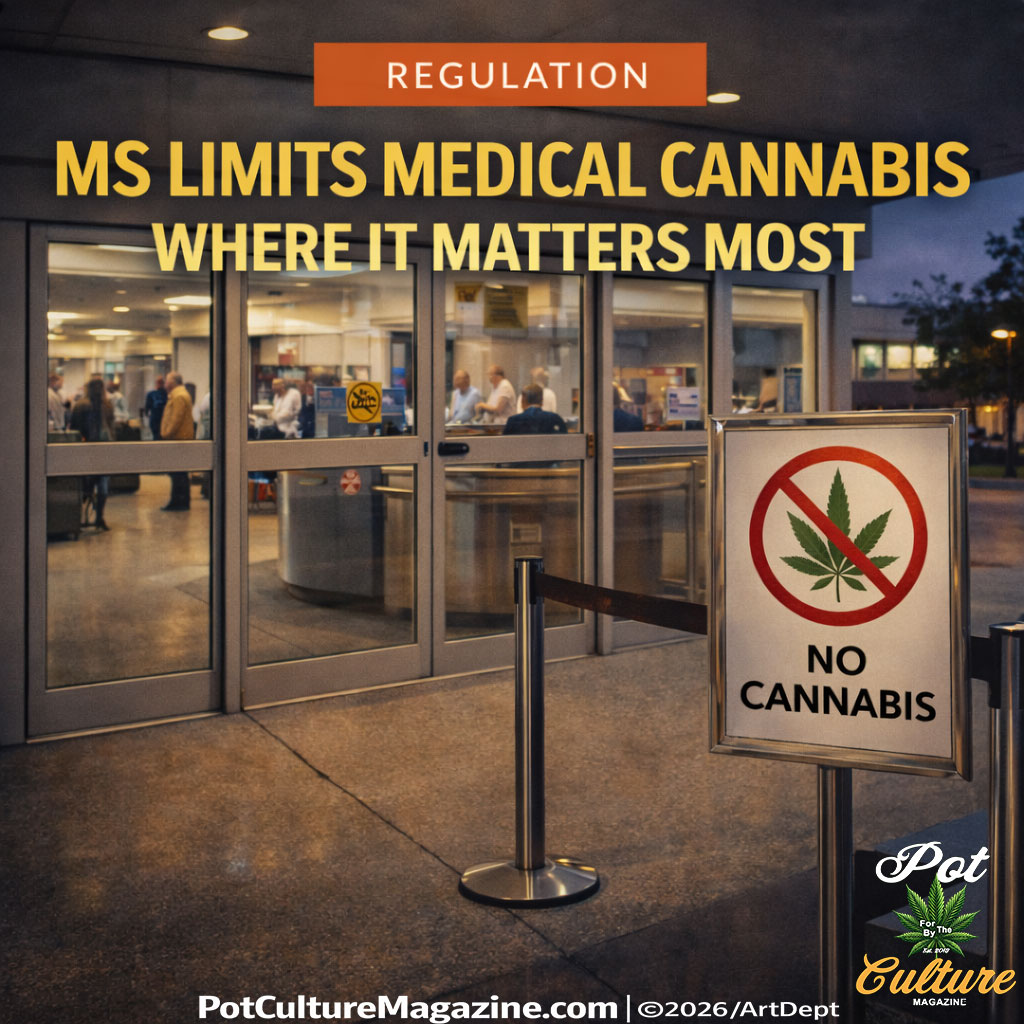
MS LIMITS MEDICAL CANNABIS WHERE IT MATTERS MOST
Mississippi maintains strict limits on medical cannabis after Governor Tate Reeves vetoed expansion bills on March 26, 2026. Patients remain unable to use cannabis in hospitals while eligibility and access rules stay tightly controlled. This feature examines what the veto blocks, how it affects patients, and what it means for the state’s growing cannabis market.
CANNABIS LIES Vol. 6: The Driving Apocalypse Lie
Legal cannabis is often blamed for rising traffic deaths, but federal data tells a more complicated story. NHTSA findings, toxicology limitations, and conflicting crash studies reveal that THC presence is not a reliable measure of impairment. This investigation breaks down how flawed testing and policy shortcuts have shaped the narrative around so-called stoned driving.
Thailand Lost Control
Thailand blew open its cannabis market, then tried to force it back under control. This feature tracks the country’s shift from prohibition to medical legalization, decriminalization, and regulatory backlash, exposing how weak enforcement, political pressure, and rushed policy turned a reform headline into a live case study in state correction.
Discover more from POT CULTURE MAGAZINE
Subscribe to get the latest posts sent to your email.

Leave a comment