Filed Under: When Culture Meets Catastrophe
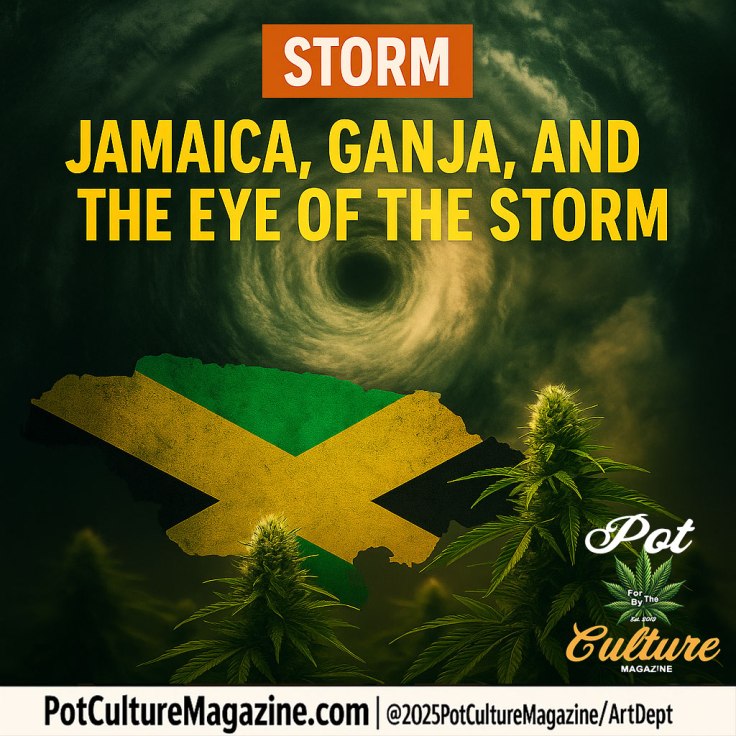
The air over Kingston feels like it’s holding its breath. Hurricane Melissa is making landfall with sustained winds near 175 miles per hour, a Category 5 that meteorologists are already calling the worst storm to strike Jamaica this century. The National Hurricane Center reports rainfall that could top seventy centimeters, storm surges up to four meters, and flash floods from coastal parishes to the Blue Mountains. More than fifty thousand homes have already lost power as lines snap and transformers explode. Roads are impassable. Shelters are filling. The sound outside isn’t weather, it’s pressure.
For anyone who knows Jamaica through its people, the thought hits hard. These are the same parishes that built the island’s cannabis legacy, not in laboratories or storefront dispensaries but in hidden gardens carved from hillsides and bushland. Jamaica’s relationship with the plant is not a novelty or cliché. It is blood, faith, and survival. When the Dangerous Drugs Amendment was passed in 2015, it did not just rewrite the law; it corrected history. Two ounces or less became a ticket, not a criminal record. Rastafari were finally granted the right to use ganja as a sacrament without persecution. The island that gave the world Bob Marley and Peter Tosh could finally breathe in public.
But legalization, or the version Jamaica could afford, still came with strings. The Cannabis Licensing Authority (CLA) became the gatekeeper of this new green economy, building a system for growers, processors, and exporters. The goal was legitimacy and a seat at the global table. Yet for most farmers, the costs of staying compliant rival the costs of survival. Paperwork, fees, inspections, and the constant risk of being shut down for something as small as a damaged fence. That was before the winds began to howl.
advertisement
F O R T H E C U L T U R E B Y T H E C U L T U R E
CANNABIS LIES Vol. 5: The Gateway Lie
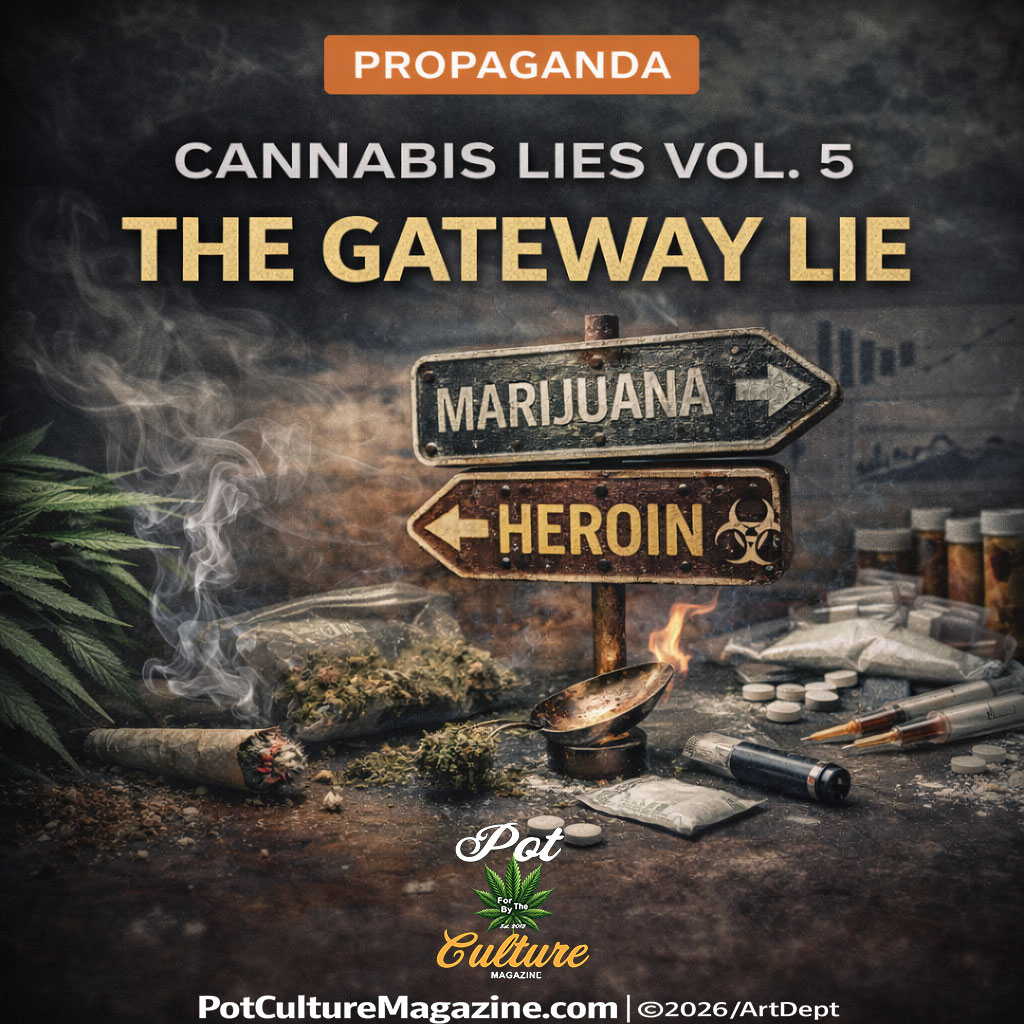
For decades, politicians have claimed marijuana is a gateway to heroin and harder drugs. Federal youth surveys, NSDUH data, and NIDA’s own language tell a different story. Cannabis use is widespread, hard drug use remains rare, and most users do not progress. The data dismantles one of prohibition’s most durable fear narratives.

The Study That Pretends Cannabis Does Nothing
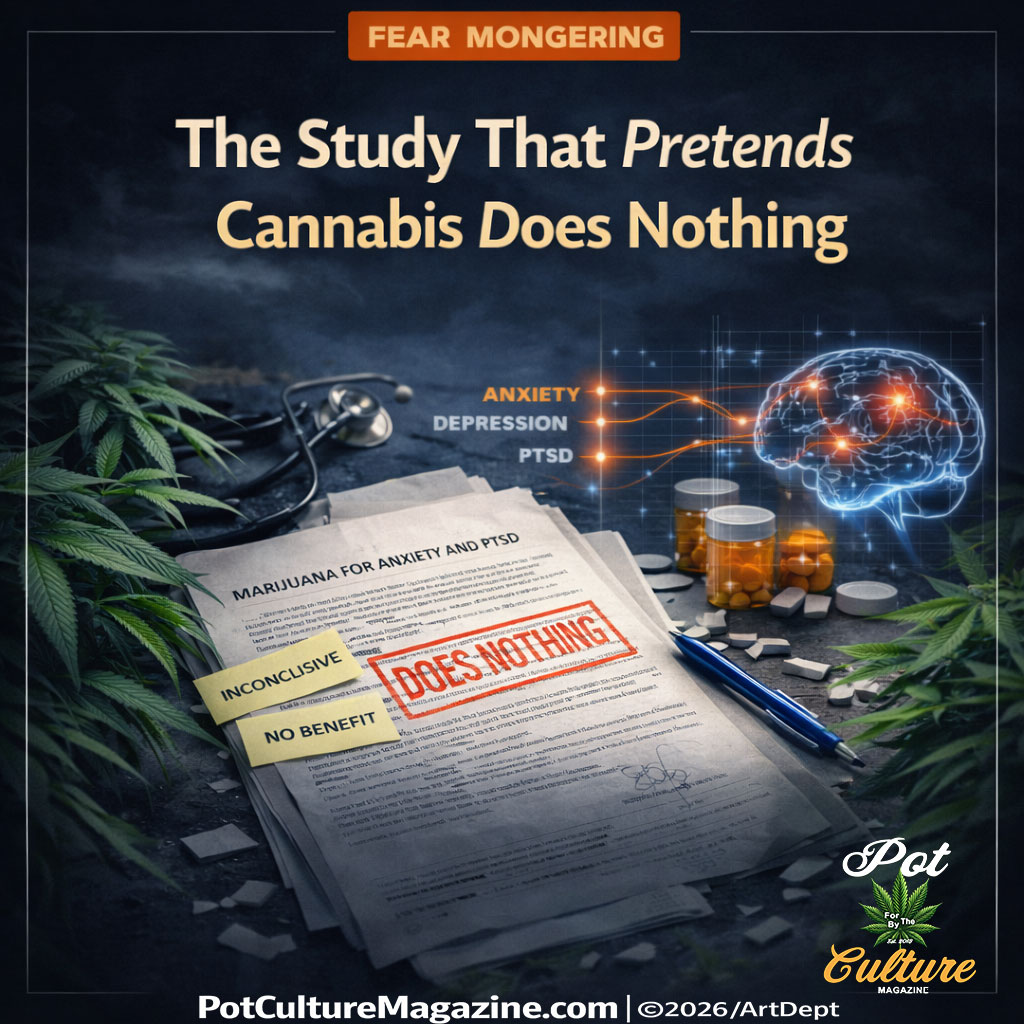
A new cannabis study claims marijuana does nothing for anxiety, depression, or PTSD. The reality is far more complicated. Decades of federal restrictions, limited research access, and synthetic substitutes have shaped the science. This breakdown exposes how incomplete data and selective interpretation continue to drive misleading headlines about cannabis and mental health.
Florida Blocked the 2026 Weed Vote
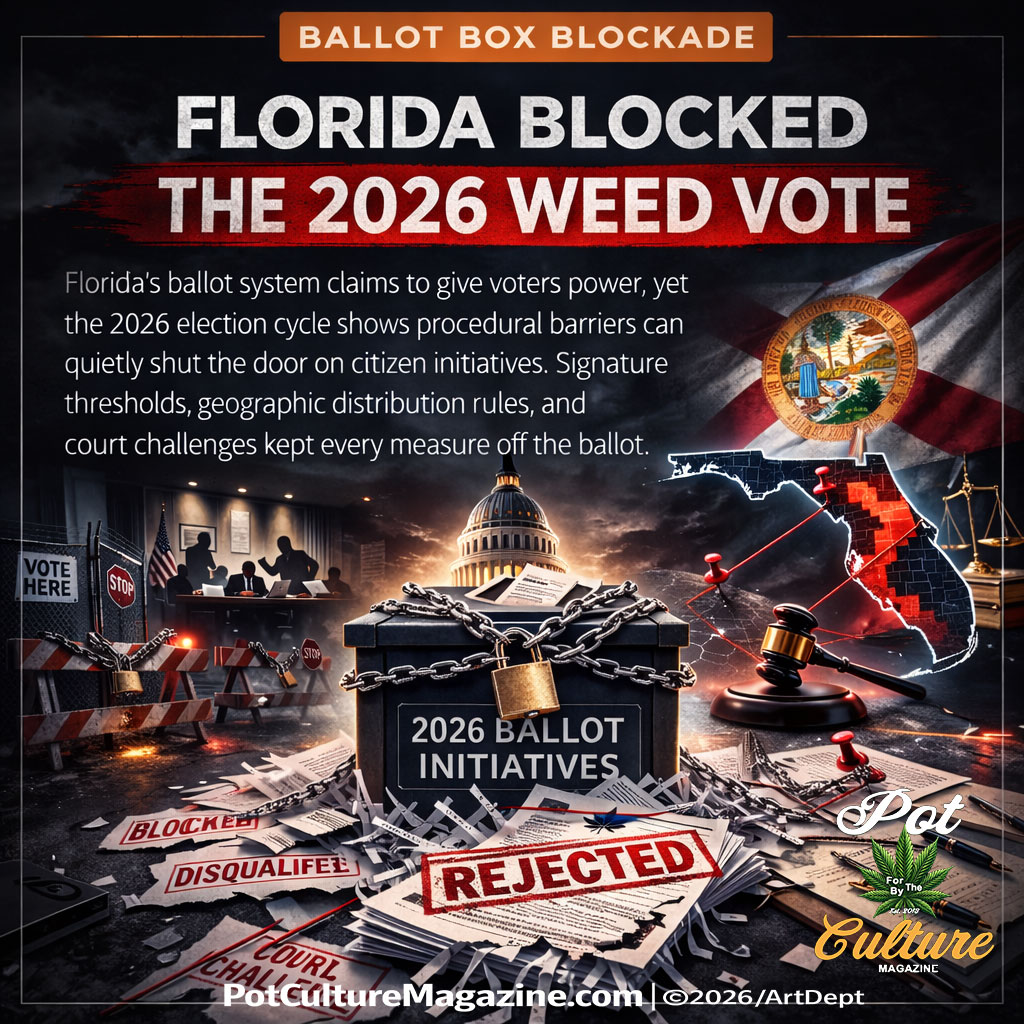
Florida’s ballot system claims to give voters power, yet the 2026 election cycle shows how procedural barriers can quietly shut the door on citizen initiatives. Signature thresholds, geographic distribution rules, and court challenges blocked every measure from reaching voters, revealing how cannabis legalization fights are often decided by bureaucratic design long before election day.
advertisement
Now those same farms are being flattened. Outdoor crops are gone. Indoor grows are running on generators that will fail when diesel runs out. A Category 5 over Jamaica is not a metaphor. It’s fields underwater, hoop houses torn open, curing rooms drowned in salt air. A licensed grower could wake up to find not only his plants destroyed but his license suspended for security breaches caused by the storm itself. Melissa isn’t just taking lives and homes; it’s gutting the industry that was supposed to represent Jamaica’s economic future.
Tourism, another artery of the island, is already collapsing. Montego Bay, Negril, Ocho Rios, empty beaches, closed airports, lost wages. The collapse of tourism bleeds straight into the cannabis economy, because every dispensary, driver, tour operator, and vendor depends on that flow. The World Bank estimates tourism accounts for nearly ten percent of Jamaica’s GDP, so when the planes stop, the cash dries up from the coast to the hills.
The government will have to move fast. Regulations written for normal days can kill recovery during a catastrophe. The Cannabis Licensing Authority can extend renewal deadlines, pause inspections, and authorize emergency product moves to higher ground. The law already allows temporary leniency when public safety is at risk. The choice is simple: lead or watch an entire legal market drown in paperwork while roofs are still missing.
Culture will need its own kind of rebuilding. Rastafari communities are facing displacement and the loss of sacred spaces that held meaning long before licenses existed. Disaster aid that ignores culture creates resentment, while inclusive relief builds trust. A joint in a pocket during evacuation is not contraband; it’s a connection, and any relief operation that respects that will earn faith beyond policy.
The humanitarian cost is rising by the hour. The International Federation of Red Cross says as many as one and a half million Jamaicans could be directly affected by floods, surges, and landslides. Melissa’s eye will pass, but recovery will take years.
There’s no time to wait for headlines to fade. If you want to help, give through the channels already working inside the island:
- Jamaica Red Cross
- Food For The Poor Jamaica
- UNICEF Jamaica Relief
- Direct Relief Caribbean Emergency Fund
- GlobalGiving Jamaica Hurricane Relief Fund
Skip the middlemen. Skip social media fundraisers with no transparency. Every dollar sent through real organizations becomes food, fuel, or medicine for someone who needs it tonight.
Jamaica has survived colonialism, corruption, and catastrophe before. It will survive this, too. The same land that grows ganja grows resilience. Jamaica will need both, and the world will be watching who shows up when the wind stops.
©2025 Pot Culture Magazine. All rights reserved. This content is the exclusive property of Pot Culture Magazine and may not be reproduced, distributed, or transmitted in any form or by any means without prior written permission from the publisher, except for brief quotations in critical reviews.
F O R T H E C U L T U R E B Y T H E C U L T U R E
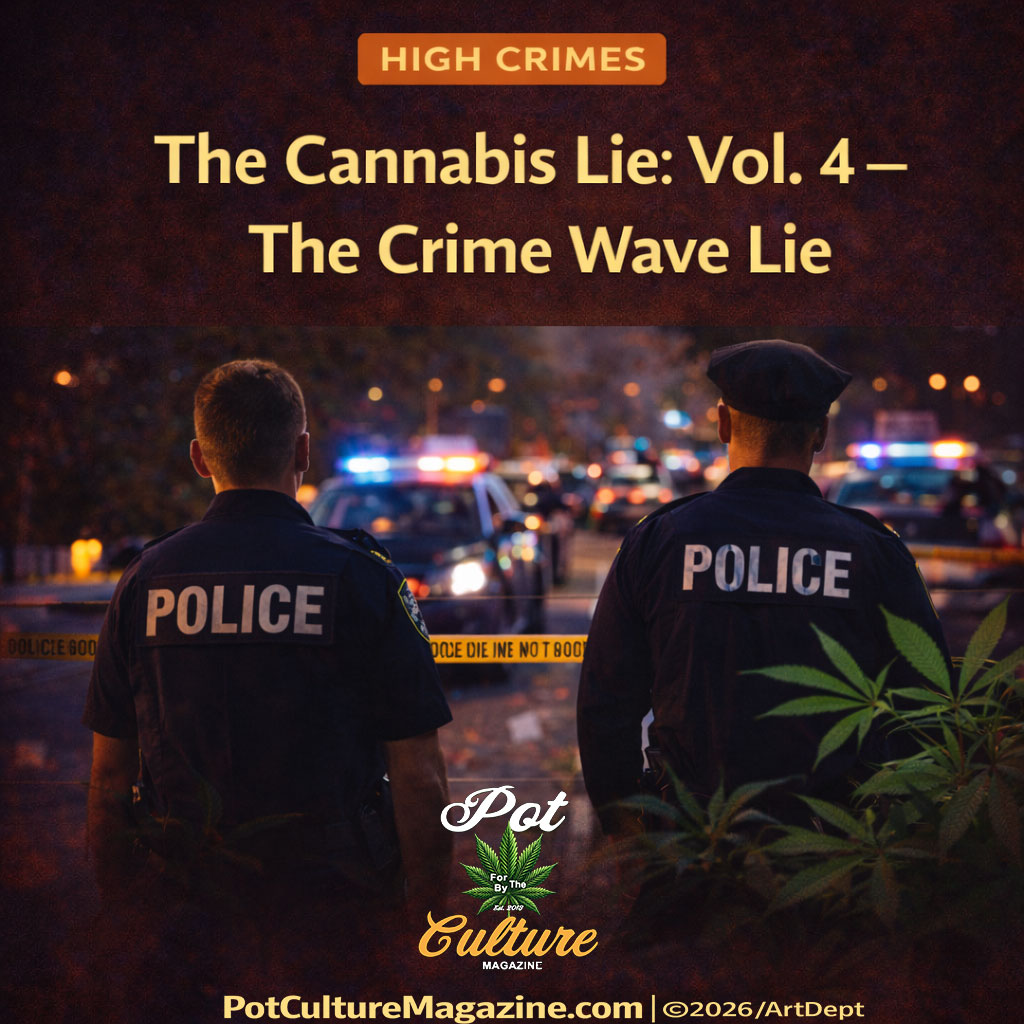
The Cannabis Lie: Vol. 4 — The Crime Wave Lie
Politicians and pundits warned that legal cannabis would unleash a crime wave. The data tell a different story. From Colorado’s violent crime trends to DOJ time-series research and statewide arrest declines, the evidence shows no consistent long-term surge tied to legalization. The numbers never matched the panic.
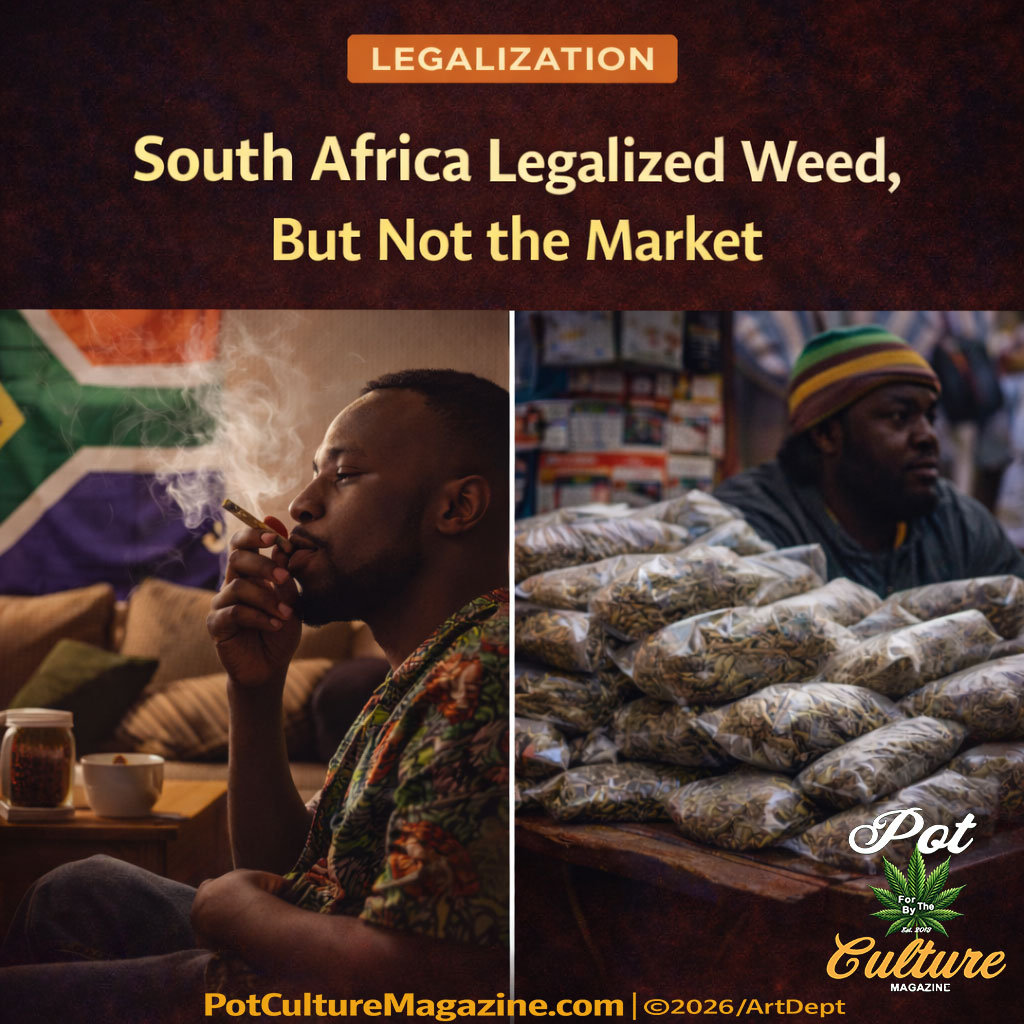
South Africa Legalized Weed, But Not the Market
South Africa recognized private adult cannabis use and home cultivation, but never built a legal domestic market around them. With buying and selling still largely outside the law, the illicit trade remains dominant while regulators scramble to set limits, draft rules, and prepare a broader Cannabis Bill that could finally address commerce.
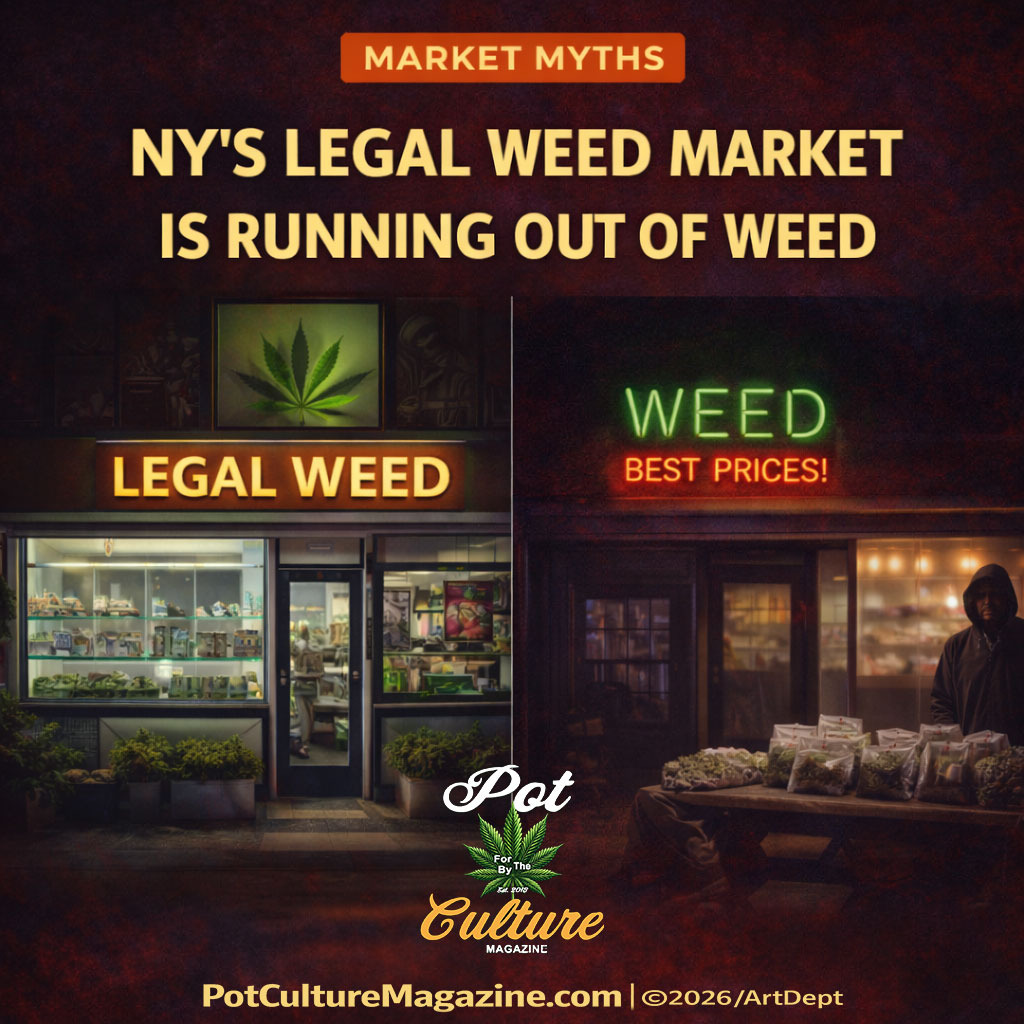
NY’s Legal Weed Market Is Running Out of Weed
New York legalized cannabis and opened hundreds of stores, but regulators now warn the legal market may not produce enough weed to keep them stocked. With nearly 600 stores open and sales nearing $3 billion, the state is discovering that legalization alone does not guarantee a functioning market.
Discover more from POT CULTURE MAGAZINE
Subscribe to get the latest posts sent to your email.

Leave a comment