Filed Under: Boomer Panic and Bad Science

The San Francisco Chronicle wants to resurrect fear. It packages cannabis as a menace to older adults, recycling every cliché that kept the drug war alive. It warns of heart attacks, confusion, falls, and addiction, as if a joint at seventy is a moral crisis. It is not journalism. It is repackaged panic disguised as health advice.
Cannabis is not harmless, but it is not the villain they describe. It is a drug that behaves according to chemistry, dose, and context. It can heal, it can harm, and it deserves honest science, not sermonizing.
The National Academies of Sciences, Engineering, and Medicine issued the largest modern review of cannabis research. The report found strong evidence that cannabinoids relieve chronic pain, strong evidence that they control chemotherapy nausea, and good evidence that they reduce muscle spasticity in multiple sclerosis. That is not a guess. That is federal consensus. The same report noted mixed evidence for anxiety, appetite, and sleep, but never called cannabis a danger. It called it an under-studied medicine trapped by outdated law. The San Francisco Chronicle left that part out because it does not sell.
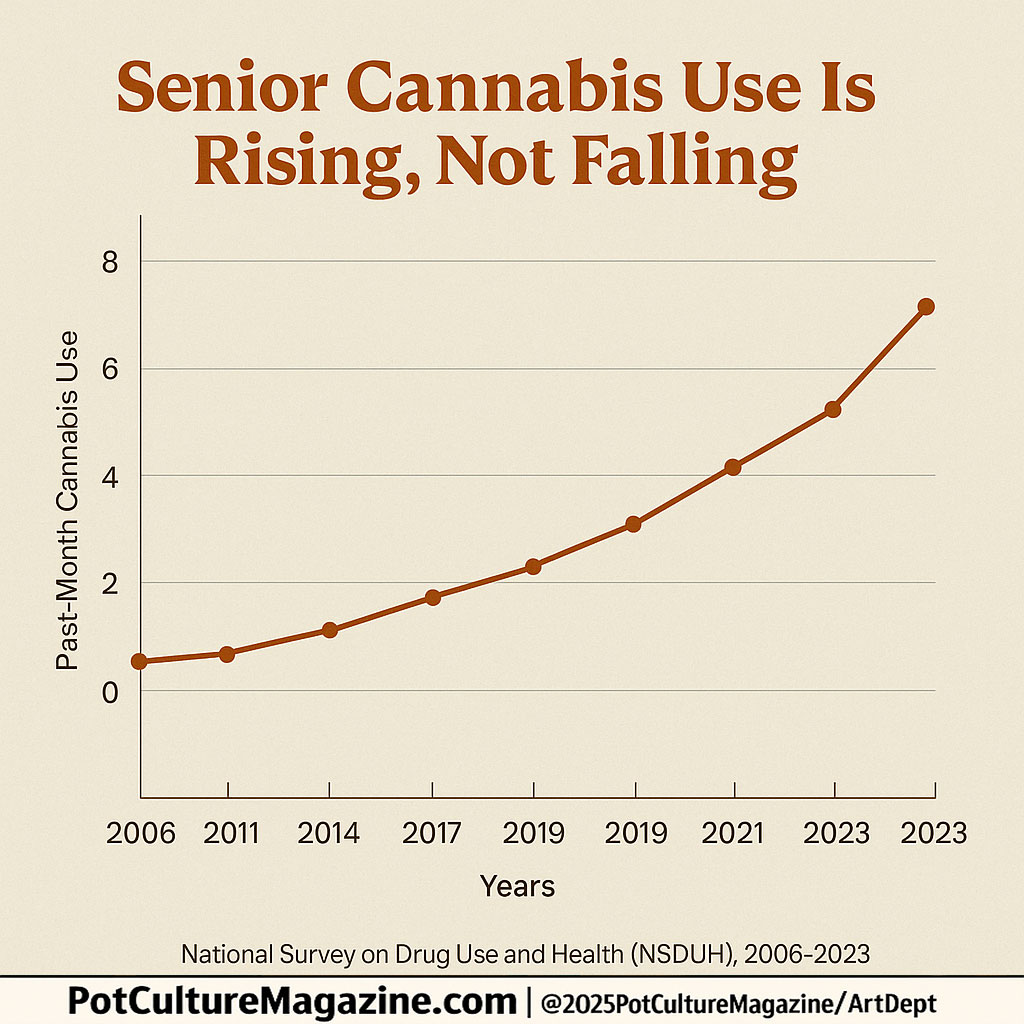
Older Americans are turning to cannabis because the system failed them. Past-month use among adults sixty-five and older climbed to about seven percent in 2023, up sharply from just a few years before. Among those fifty and older, one in five reported using a THC product in the past year. They are not stoners chasing nostalgia. They are pain patients, insomniacs, and cancer survivors. They are trying to sleep without pills that wreck the liver or stop the heart.
The San Francisco Chronicle calls this a crisis. It is a correction.
Cardiovascular risk is the centerpiece of their scare. They quote studies that tie cannabis to heart attacks and strokes, but never explain the variable that matters most: smoke. The NIH analysis of more than four hundred thousand adults found risk rose with heavy smoking, not with low-dose oral use. It also failed to control for tobacco, alcohol, and diet. Association is not causation, yet they present it as proof. The honest takeaway is simple. Smoke less, avoid combustion, and the cardiovascular signal nearly vanishes. That is not controversy. That is physiology.
Then come the falls. The San Francisco Chronicle treats one tiny study as gospel. Eight older users were compared with eight non-users. The cannabis group walked more slowly and had weaker one-leg balance. That is an interesting clue, not a national emergency. No large-scale data set shows cannabis causing falls. The rational advice is to start small, use at night, and skip sedatives when dosing. Instead, the paper sells fear while ignoring basic harm reduction.
Their next move is the dementia card. They cite an Ontario population study that found higher dementia rates among heavy cannabis users. The real detail is buried in the fine print. Those “users” were patients whose cannabis use had already landed them in hospitals for acute treatment. That group includes psychosis, overdoses, and polydrug cases. It does not represent seniors who microdose gummies or take CBD tinctures. Correlation is not causation, but that line never fits the headline.
Emergency room visits are also rising among older adults. True again, but incomplete. Most of those visits involve edibles and mislabeled doses, not toxicity. A seventy-five-year-old who eats fifty milligrams of THC because the packaging looks like candy is not a case of cannabis poisoning. It is a case of regulatory negligence. The FDA still refuses to create uniform labeling standards. The agencies built to protect people leave them blind, then blame the plant for the outcome.
The San Francisco Chronicle calls cannabis ineffective for sleep and anxiety. The data say otherwise. Some studies show modest benefit, some show none, and a few show worsening tolerance with long-term use. What matters is context. What they omit is the risk of the legal alternatives. Benzodiazepines and Z-drugs are on the Beers Criteria list of medications older adults should avoid. They cause confusion, delirium, and falls. They create a dependency that makes withdrawal lethal. If a senior replaces those pills with a five-milligram edible, that is not a public-health disaster. That is progress.
Pain, the most common reason older adults use cannabis, gets treated like an afterthought. Multiple systematic reviews and clinical trials confirm that cannabinoids help with neuropathic pain and muscle spasticity. The effects are modest on average but significant for patients who respond. For those trying to wean off opioids, the difference is life-saving. Yet the San Francisco Chronicle buries this data because balance does not generate outrage.
advertisement
F O R T H E C U L T U R E B Y T H E C U L T U R E
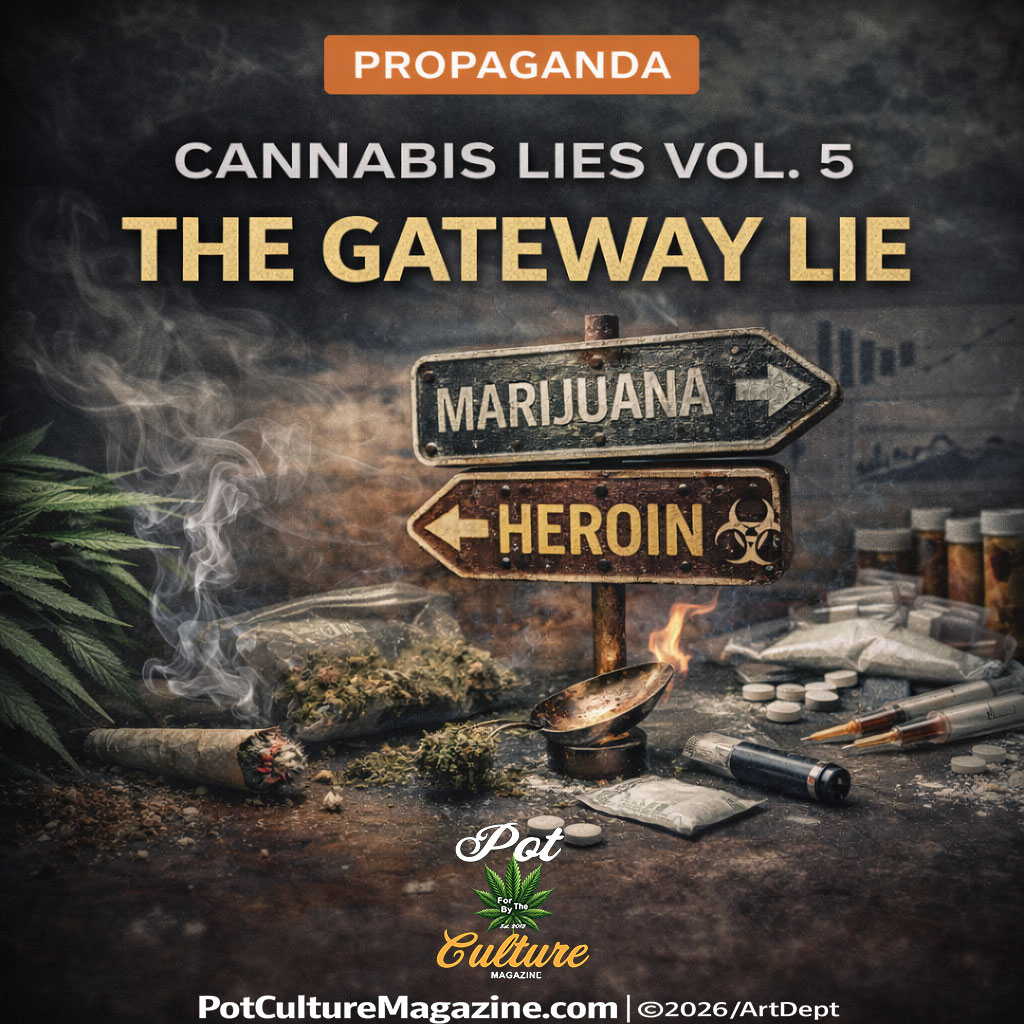
CANNABIS LIES Vol. 5: The Gateway Lie
For decades, politicians have claimed marijuana is a gateway to heroin and harder drugs. Federal youth surveys, NSDUH data, and NIDA’s own language tell a different story. Cannabis use is widespread, hard drug use remains rare, and most users do not progress. The data dismantles one of prohibition’s most durable fear narratives.

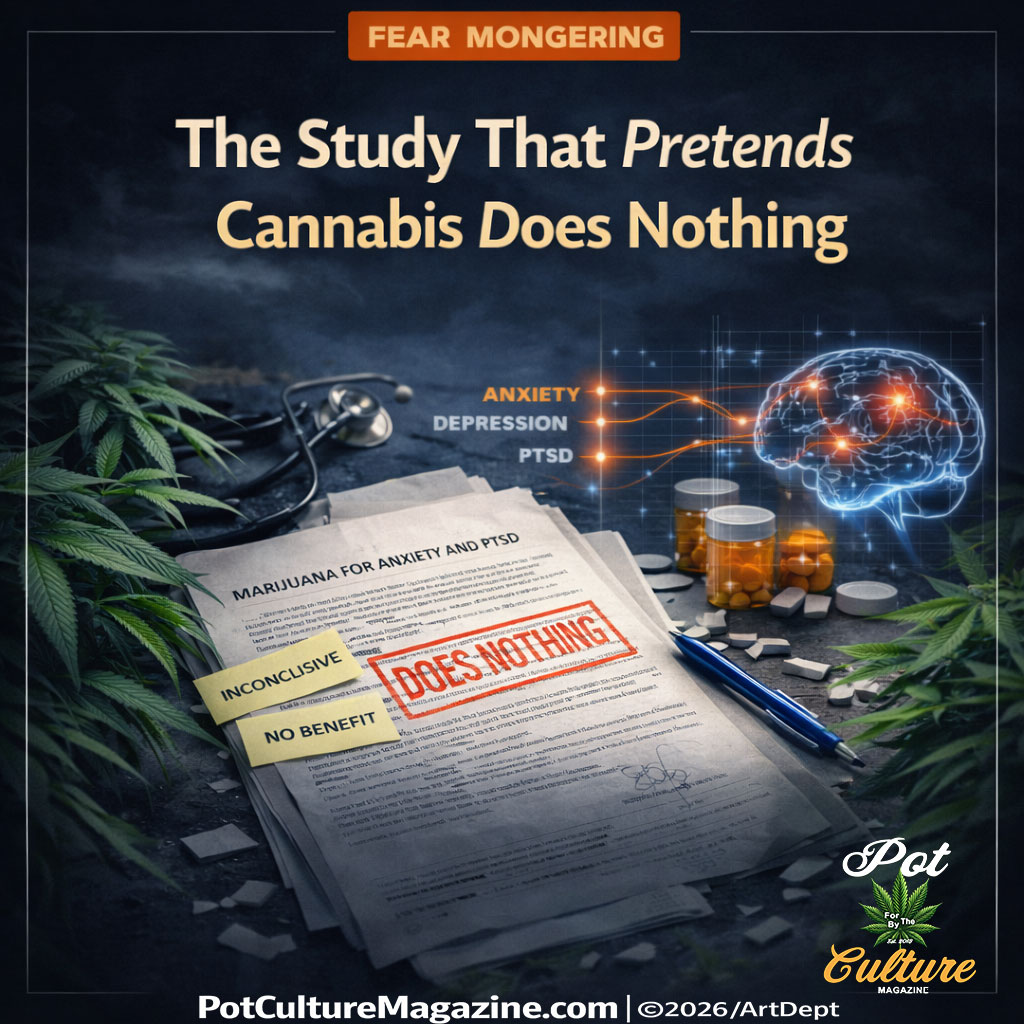
The Study That Pretends Cannabis Does Nothing
A new cannabis study claims marijuana does nothing for anxiety, depression, or PTSD. The reality is far more complicated. Decades of federal restrictions, limited research access, and synthetic substitutes have shaped the science. This breakdown exposes how incomplete data and selective interpretation continue to drive misleading headlines about cannabis and mental health.
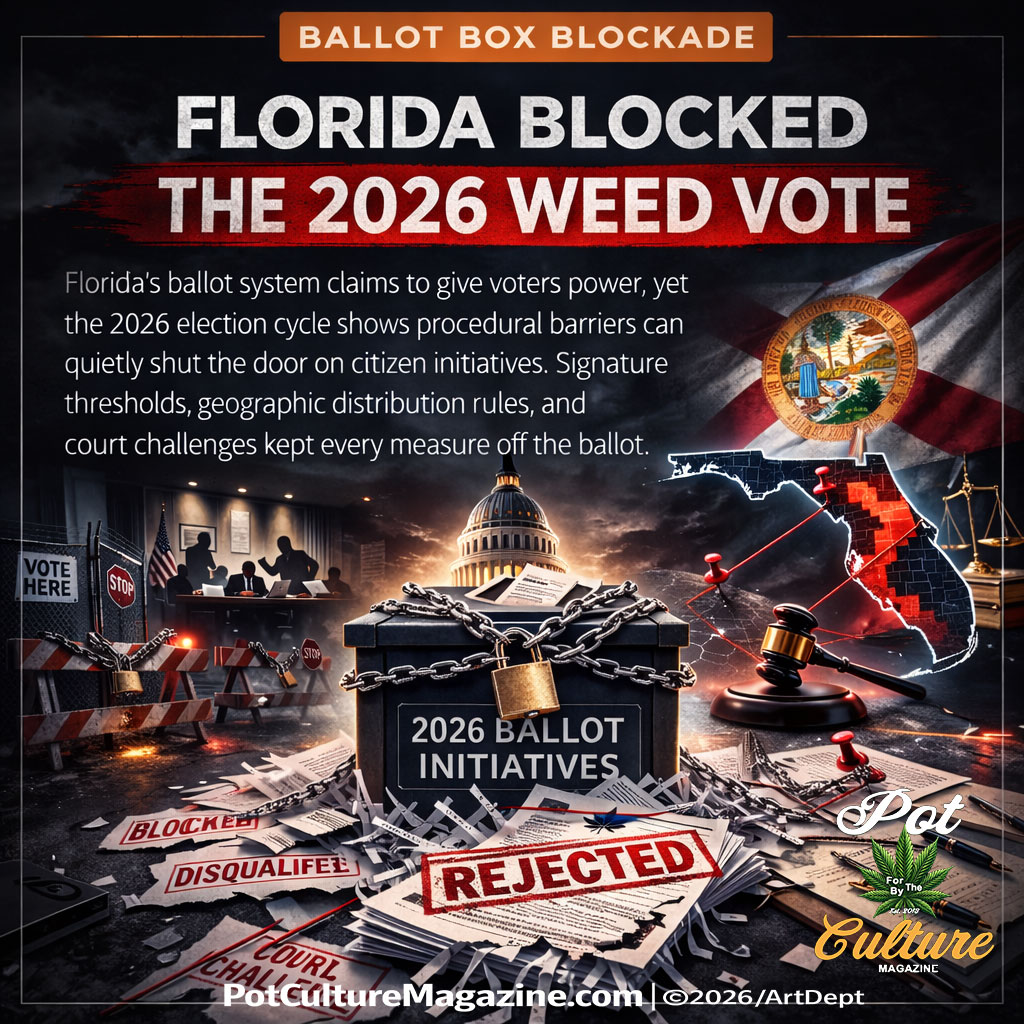
Florida Blocked the 2026 Weed Vote
Florida’s ballot system claims to give voters power, yet the 2026 election cycle shows how procedural barriers can quietly shut the door on citizen initiatives. Signature thresholds, geographic distribution rules, and court challenges blocked every measure from reaching voters, revealing how cannabis legalization fights are often decided by bureaucratic design long before election day.
advertisement
Addiction is the final scare word. A JAMA Network study found that thirty-six percent of older veterans who used cannabis in the past month met criteria for cannabis use disorder. Sounds grim until you remember that these were mostly daily smokers with complex trauma and substance histories. Replace cannabis with alcohol, and the number would be higher. Replace it with benzodiazepines, and the withdrawal death rate would be measurable. Cannabis dependency exists, but it is not heroin, and pretending otherwise insults both science and experience.
The real danger sits in plain sight and barely gets a sentence. The hemp loophole market. Seniors can buy delta-8, HHC, and THC-O products in gas stations and vape shops nationwide. These compounds are synthesized from hemp-derived CBD and sold as “legal highs.” They are often mislabeled, contaminated, and far stronger than the label suggests. The FDA has issued multiple warnings. Poison control centers are logging calls. If journalists cared about public safety, that is where they would shine the light.
Instead, they fixate on the controlled plant, the one with lab tests, dispensary oversight, and measurable THC. They ignore the gray market their own government created through half-hearted legalization. Seniors deserve better than that. They deserve to know which cannabinoids are safe, which are synthetic, and which are snake oil. They deserve doctors who understand interactions instead of hiding behind outdated stigma.
This generation is not naive. They survived war, inflation, addiction, and propaganda. They remember when the same newspapers said marijuana caused murder. Now they watch those papers recycle the same template under a different headline. The only thing that changed is the vocabulary. Fear never retires; it just rebrands.
Cannabis use among older adults is rising because it works for them. It relieves pain. It restores sleep. It replaces pharmaceuticals that ruin the quality of life. It gives back a sense of control that medicine took away. The science supports careful use. The dangers are manageable. The path forward is education, not panic.
The National Academies’ report still stands as the best roadmap we have. It lists both harm and benefit, calls for more research, and demands policy reform. It does not endorse prohibition. It does not say seniors should abstain. It says we need to study cannabis like the legitimate therapeutic it is. That alone dismantles the San Francisco Chronicle’s entire premise.
The irony is that every warning they print proves the failure of prohibition, not the failure of the plant. If regulators had allowed honest study decades ago, we would already know how to dose safely, how to separate risk by age, and how to prevent adverse reactions. Instead, the government stalled, the market improvised, and journalists kept the panic alive.
The truth is that cannabis risk lives on a spectrum. At one end is smoke, combustion, and heavy daily use. At the other is low-dose, non-smoked, carefully titrated medicine. Pretending those are the same is malpractice. Seniors who want to avoid harm should follow what harm reduction experts already say: start low, go slow, use at night, and skip the gas-station chemistry set. Choose tested dispensary products. Keep your doctor informed. Watch for interactions. And stop believing that a headline equals a fact.
The government created the confusion, the press maintains it, and the public pays for it. The San Francisco Chronicle’s article is not a warning. It is a relic. It reads like a moral panic written for an audience that no longer exists. The modern reader deserves nuance. The senior who reaches for a gummy instead of a sleeping pill deserves applause, not alarm.
Cannabis is not the enemy of aging. It is a mirror reflecting how little respect the system has for informed adults. The danger was never the plant. It was the people paid to keep lying about it.
©2025 Pot Culture Magazine. All rights reserved. This content is the exclusive property of Pot Culture Magazine and may not be reproduced, distributed, or transmitted in any form or by any means without prior written permission from the publisher, except for brief quotations in critical reviews.
F O R T H E C U L T U R E B Y T H E C U L T U R E
The Cannabis Lie: Vol. 4 — The Crime Wave Lie
Politicians and pundits warned that legal cannabis would unleash a crime wave. The data tell a different story. From Colorado’s violent crime trends to DOJ time-series research and statewide arrest declines, the evidence shows no consistent long-term surge tied to legalization. The numbers never matched the panic.

South Africa Legalized Weed, But Not the Market
South Africa recognized private adult cannabis use and home cultivation, but never built a legal domestic market around them. With buying and selling still largely outside the law, the illicit trade remains dominant while regulators scramble to set limits, draft rules, and prepare a broader Cannabis Bill that could finally address commerce.
NY’s Legal Weed Market Is Running Out of Weed
New York legalized cannabis and opened hundreds of stores, but regulators now warn the legal market may not produce enough weed to keep them stocked. With nearly 600 stores open and sales nearing $3 billion, the state is discovering that legalization alone does not guarantee a functioning market.
Discover more from POT CULTURE MAGAZINE
Subscribe to get the latest posts sent to your email.

Leave a comment