Filed Under: State-Sanctioned Fear

Singapore calls itself clean, safe, efficient, and modern, but beneath the perfection sits a legal system that still kills people for cannabis. The Misuse of Drugs Act classifies cannabis among its most serious controlled substances. Possession or consumption can bring up to ten years in prison and a fine of twenty thousand dollars for first-tier offenses, but heavier weights can bring 20 to 30 years, caning, or even life imprisonment. Trafficking 500 grams or more of cannabis may earn the death sentence, though, since the 2012 amendment, courts have discretion in cases where the offender is a courier who assists authorities.
The Central Narcotics Bureau runs the country’s drug war like clockwork. It doesn’t just ban use inside its borders; it reaches across them. Citizens who smoke abroad can be prosecuted when they come home, tested, charged, and sentenced as if they had lit up on Orchard Road. The Bureau calls this “zero tolerance.” That phrase is the national drug policy in three words, and it has not changed in half a century.
There is no legal commercial dispensary sector, and only very limited medical cannabinoid programs. Officials say they might consider “scientifically proven cannabinoids,” but only under strict control. It’s a rhetorical escape hatch, not a door. The Health Sciences Authority forbids personal import of cannabis products. Even discussion of reform triggers warnings about moral decay and social collapse.
Home Affairs and Law Minister K. Shanmugam has made the government’s position clear.
“The trend towards accepting cannabis for medical use is driven by the power of money and propaganda,” said Shanmugam, warning that big business has distorted the science.
“If you want medical cannabis, what you’re really saying is certain cannabinoid compounds. So why do you need to go from there to consuming raw, unprocessed cannabis?”
The logic comes from survival mythology. Singapore says it is too small to take chances, that drugs could ruin productivity and family stability. The government calls it deterrence; human-rights groups call it fear. In speeches, ministers claim the country’s low addiction rates prove the system works. They don’t mention that the system punishes addiction with caning and death.
Authorities have recently announced tougher action on drug-laced vapes, warning that such products blur the line between narcotics and nicotine. The Ministry of Home Affairs said the move would “safeguard public health.” It fit the pattern: every new threat justifies another tightening of control. When the United Nations Commission on Narcotic Drugs voted in 2020 to loosen global cannabis scheduling, Singapore said no. In an official statement, the Ministry declared:
“Singapore is disappointed with this outcome. There is no strong evidence to support the recommendations.”
“We will continue to keep cannabis and cannabis-related substances under robust control in Singapore, to ensure that Singaporeans are kept safe from their scourge.”
Executions aren’t symbolic; they’re operational. In 2023, Tangaraju Suppiah was hanged for conspiring to traffic about one kilogram of cannabis. He never touched the product. Activists begged for clemency, the United Nations Office of the High Commissioner for Human Rights objected, and the government ignored them. Rights groups allege that executions have even been carried out for amounts just under capital thresholds. Officials call each case “necessary to protect our people.”
That phrase sits at the core of the ideology: protection through fear. The state links drug control to national pride, warning that relaxation would destroy what makes Singapore “different.” Public campaigns tell children that drugs destroy families and careers. Television spots show addicts collapsing, mothers crying, and police saving society. According to the Ministry of Home Affairs, almost all Singaporeans support the government’s tough approach, with nearly nine in ten agreeing that its drug laws are effective. The Ministry says,
“The vast majority of Singaporeans know and understand the facts and reality, and why the Government says the death penalty is necessary.”
The country has turned punishment into consensus.
It’s also geography. The island sits on the sea lanes that carry half the world’s freight. The government argues that only extreme laws keep smugglers away. The Misuse of Drugs Act removes intent from the equation; possession of certain weights automatically equals trafficking. A court doesn’t have to prove you planned to sell. The weight convicts you. The result is efficiency mistaken for justice.
advertisement
F O R T H E C U L T U R E B Y T H E C U L T U R E
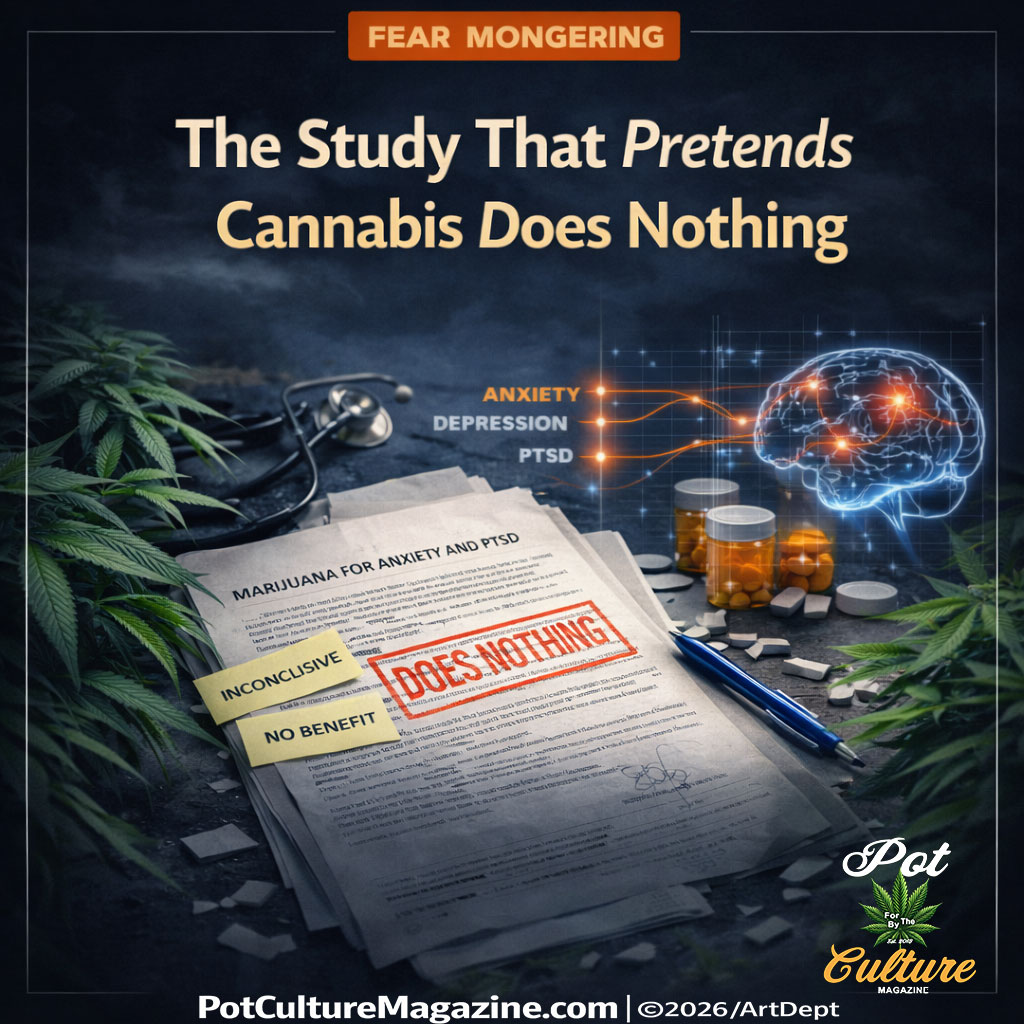
The Study That Pretends Cannabis Does Nothing
A new cannabis study claims marijuana does nothing for anxiety, depression, or PTSD. The reality is far more complicated. Decades of federal restrictions, limited research access, and synthetic substitutes have shaped the science. This breakdown exposes how incomplete data and selective interpretation continue to drive misleading headlines about cannabis and mental health.

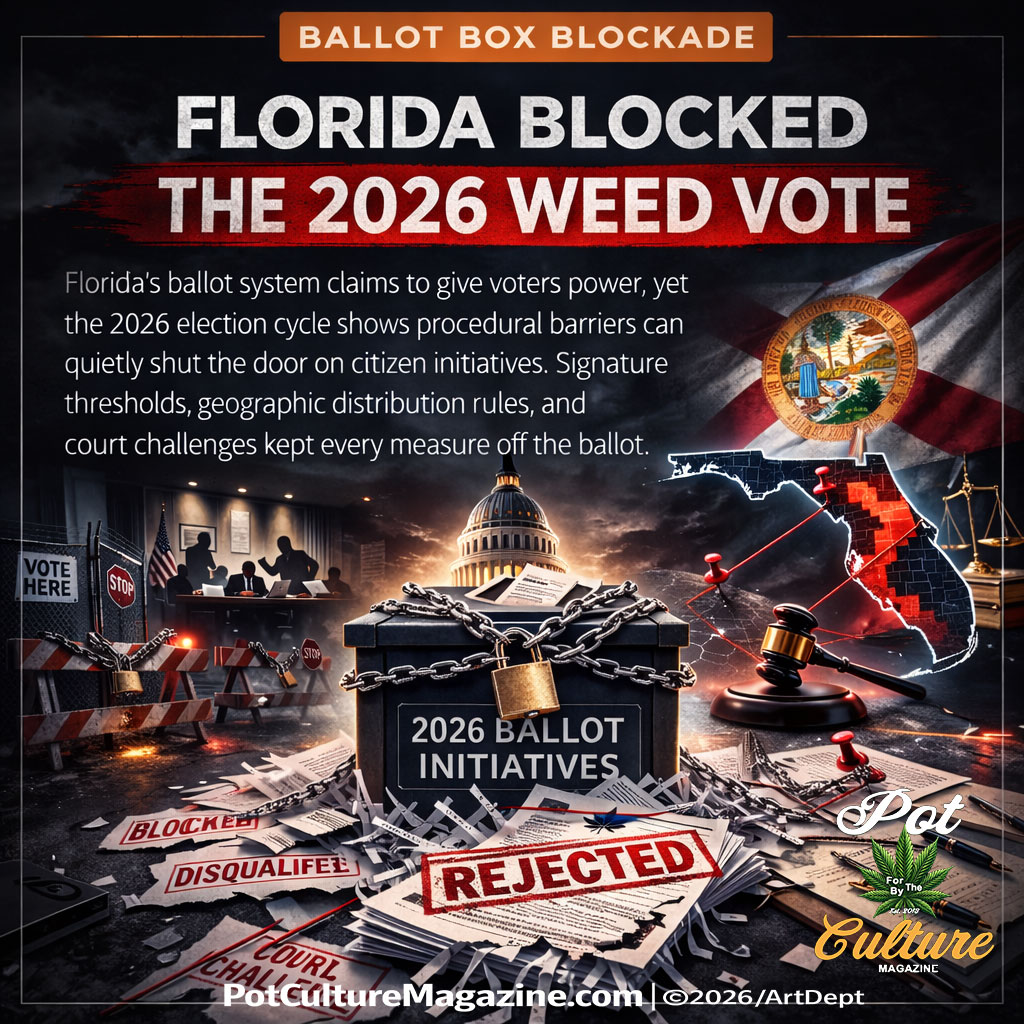
Florida Blocked the 2026 Weed Vote
Florida’s ballot system claims to give voters power, yet the 2026 election cycle shows how procedural barriers can quietly shut the door on citizen initiatives. Signature thresholds, geographic distribution rules, and court challenges blocked every measure from reaching voters, revealing how cannabis legalization fights are often decided by bureaucratic design long before election day.
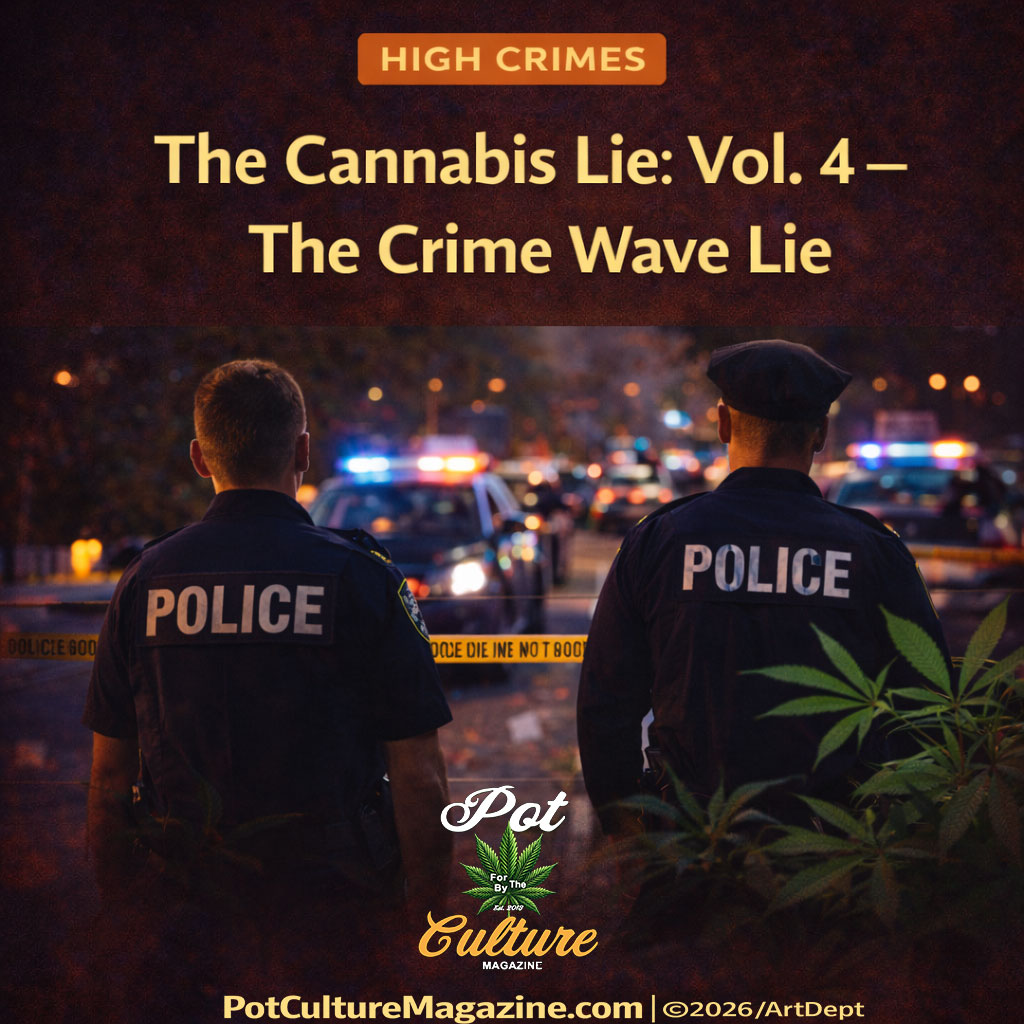
The Cannabis Lie: Vol. 4 — The Crime Wave Lie
Politicians and pundits warned that legal cannabis would unleash a crime wave. The data tell a different story. From Colorado’s violent crime trends to DOJ time-series research and statewide arrest declines, the evidence shows no consistent long-term surge tied to legalization. The numbers never matched the panic.
advertisement
Inside this machine, reform barely breathes. The Transformative Justice Collective documents every execution and campaigns to abolish the death penalty. They post case files, hold vigils, and plead for transparency. The Think Centre, another rights group, pushes for rehabilitation over retribution. Both operate under constant scrutiny. Activists can be charged with “promoting drug abuse” simply for criticizing the policy. They work carefully, sometimes anonymously.
The government points to its rehabilitation centers as proof of compassion. “Pure abusers” who confess can undergo treatment without criminal records. It sounds humane until you see the context. The same law that rehabilitates one user kills another for carrying the medicine that could have treated him.
In Parliament, a few voices have dared to talk about nuance. Opposition leader Pritam Singh said he recognizes the “devastating impact of drugs on society,” but urged that
“The criminal nature of the drug trade, and the devastating impact of drugs on society, should feature more strongly in the discourse of abolition advocates.”
It was a cautious way of acknowledging the pain on both sides without crossing the red line.
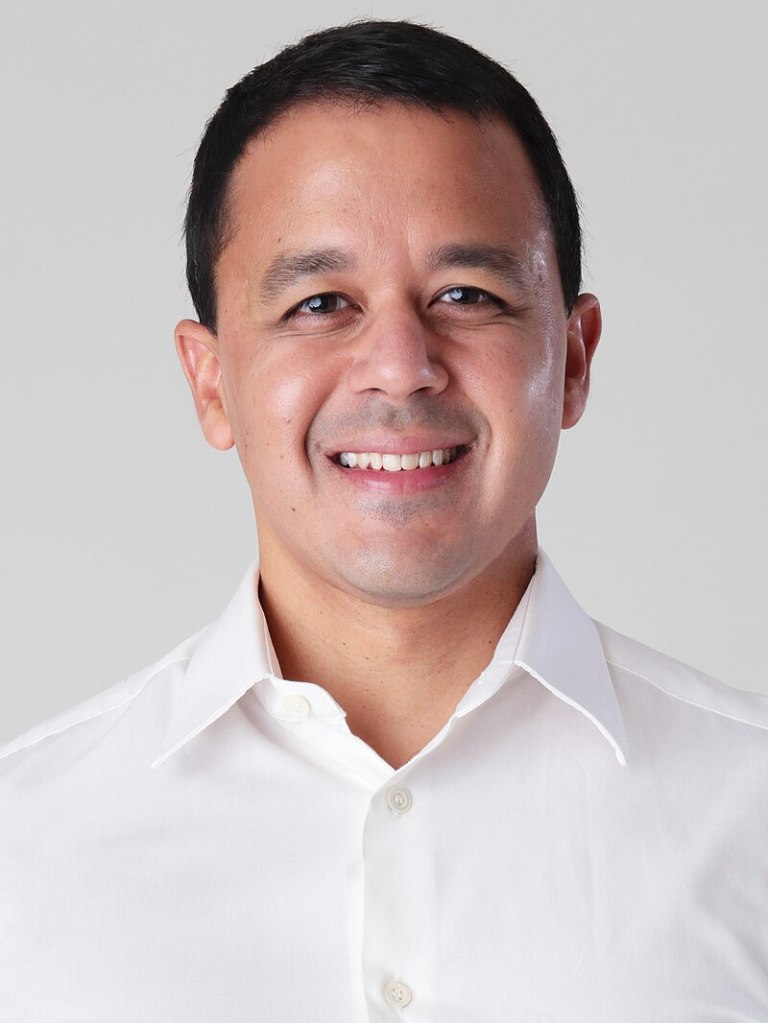
Others are less diplomatic. MP Christopher de Souza dismissed the idea of liberalization outright, saying,
“To decriminalise the recreational consumption of cannabis is a foolish proposal. It entrenches a higher tolerance for drugs in community.”
For change to begin, Singapore would have to admit the obvious that the global tide has turned and its model is a relic. More than forty countries now allow medical use. Twenty-four U.S. states and Canada sell cannabis openly. Thailand legalized medical cannabis in 2018 and later allowed household cultivation. Even Malaysia is studying reform. Singapore calls them reckless experiments.
If any shift ever happens, it will start with medicine. The state could legalize pharmaceutical cannabinoids under Health Sciences Authority control. Each prescription would be numbered, each import licensed, each dose logged. A pilot program might open in a government hospital for cancer patients, tightly sealed, publicized as science, not surrender. It would allow progress without touching ideology.
Full decriminalization or recreational legalization would require rewriting the national story itself. The ruling People’s Action Party built its authority on order. Drugs are the symbol they use to prove it works. Relaxation would look like weakness. Ministers know it, the public has been taught it, and the courts enforce it. The Misuse of Drugs Act of 1973 is the spine of that system. Every reformer who tries to move it faces a wall built from fear, faith, and political convenience.
Singapore’s prisons remain crowded with low-level offenders. Official statistics show that drug-related offenses continue to dominate new convictions. Cannabis makes up a small portion, but punishment doesn’t scale with harm. The Bureau still lists marijuana alongside methamphetamine as “dangerous drugs.” Officials insist they are “guided by science,” yet they ignore decades of research showing cannabis to be less harmful than alcohol. Science is only valid when it agrees with power.
Executions keep coming. The gallows still stand at Changi Prison Complex. Appeals still fail. Each time, international outrage flares, then fades. The next body drops before the world blinks. Singapore explains that its drug laws are “necessary deterrents.” The phrase has become national scripture.
The contradiction is brutal. A country that markets itself as futuristic runs a drug policy from the colonial past. The British Dangerous Drugs Ordinance of 1920 seeded the structure. Singapore modernized it into the Misuse of Drugs Act after independence. The empire left, but the fear stayed. The colonial drug panic evolved into a state religion.
Activists call it moral theater. The government calls it order. The truth sits in the hangman’s knot. Every execution is meant to reassure the majority that they are safe, that chaos lives elsewhere, that obedience saves. It works. Tourism rises, investors flood in, and the country remains a symbol of perfection. Most Singaporeans never see the rope.
The global cannabis movement will eventually reach its shores, but reform won’t come from compassion; it will come from contradiction. When science, trade, and international diplomacy all collide with the death penalty, Singapore will face a choice. So far, it keeps choosing the rope.
©2025 Pot Culture Magazine. All rights reserved. This content is the exclusive property of Pot Culture Magazine and may not be reproduced, distributed, or transmitted in any form or by any means without prior written permission from the publisher, except for brief quotations in critical reviews.
F O R T H E C U L T U R E B Y T H E C U L T U R E
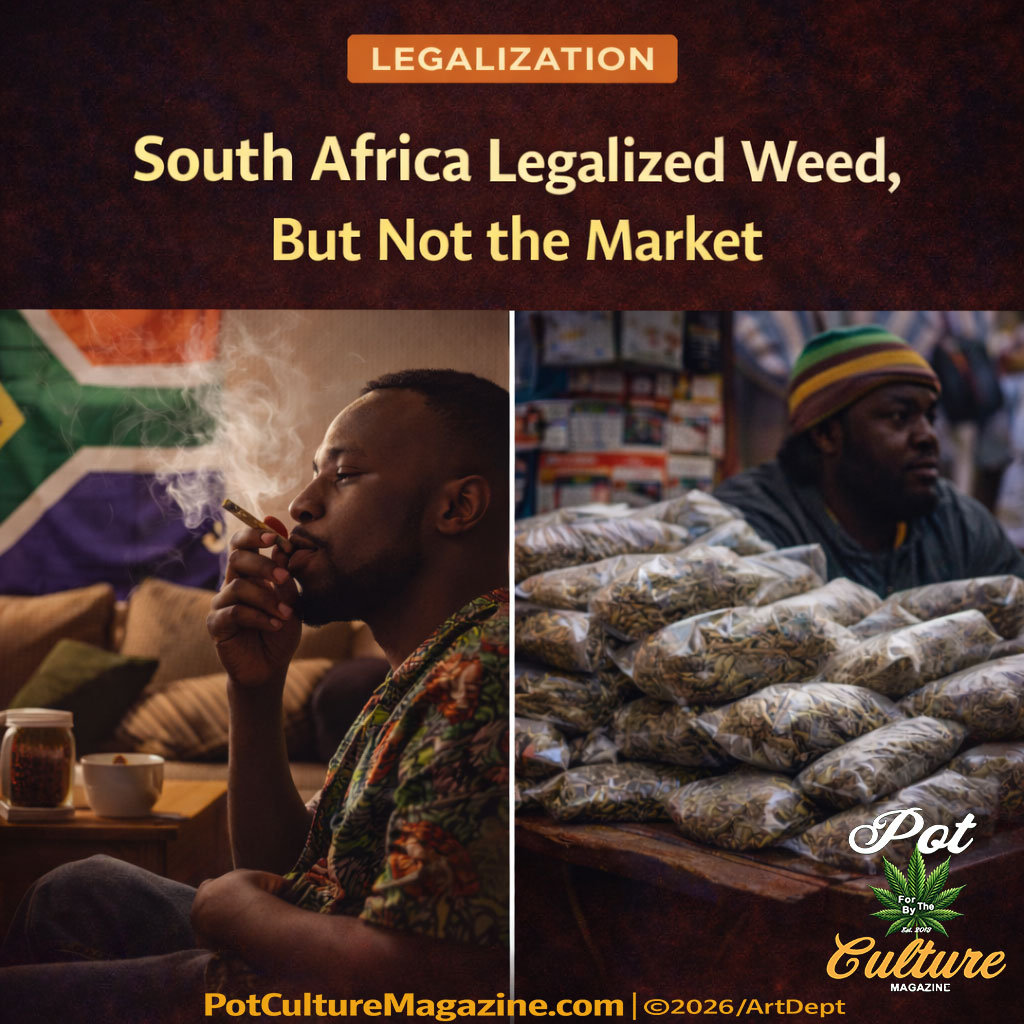
South Africa Legalized Weed, But Not the Market
South Africa recognized private adult cannabis use and home cultivation, but never built a legal domestic market around them. With buying and selling still largely outside the law, the illicit trade remains dominant while regulators scramble to set limits, draft rules, and prepare a broader Cannabis Bill that could finally address commerce.
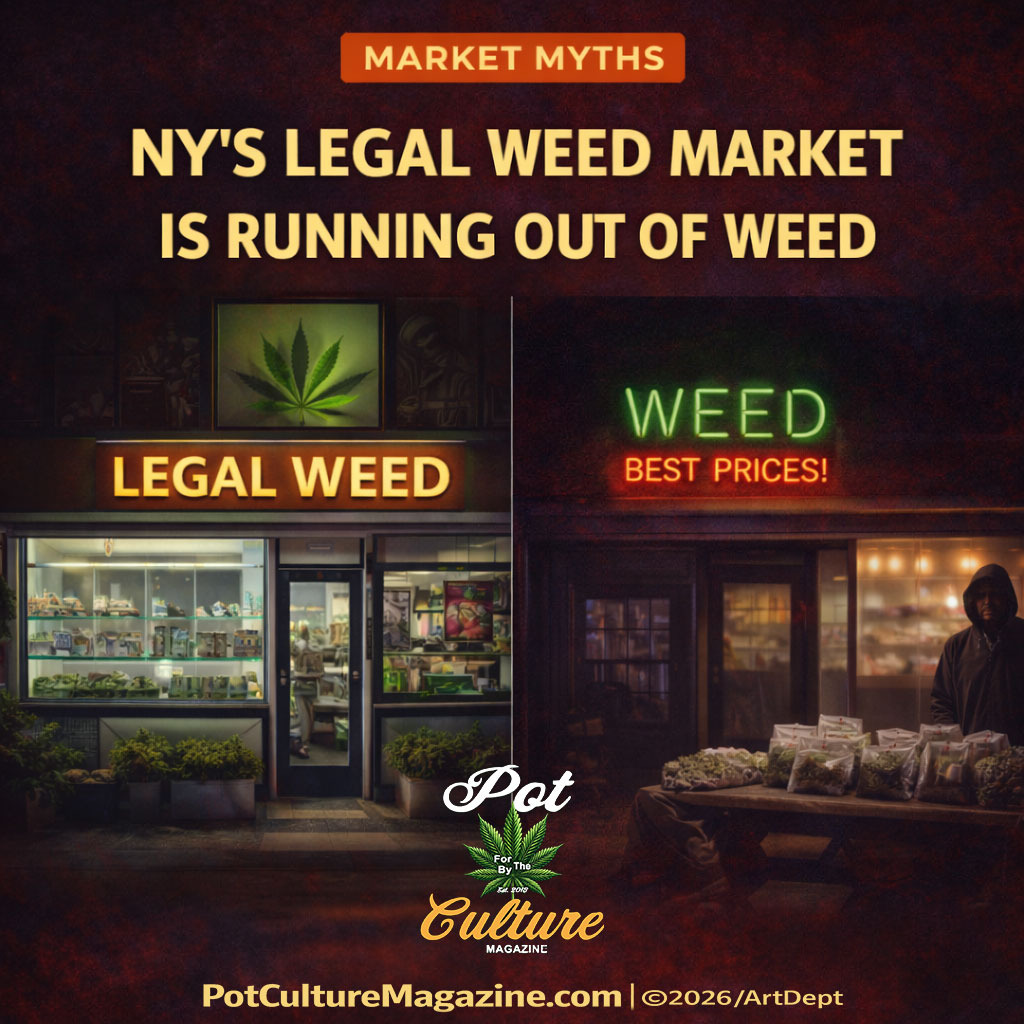
NY’s Legal Weed Market Is Running Out of Weed
New York legalized cannabis and opened hundreds of stores, but regulators now warn the legal market may not produce enough weed to keep them stocked. With nearly 600 stores open and sales nearing $3 billion, the state is discovering that legalization alone does not guarantee a functioning market.
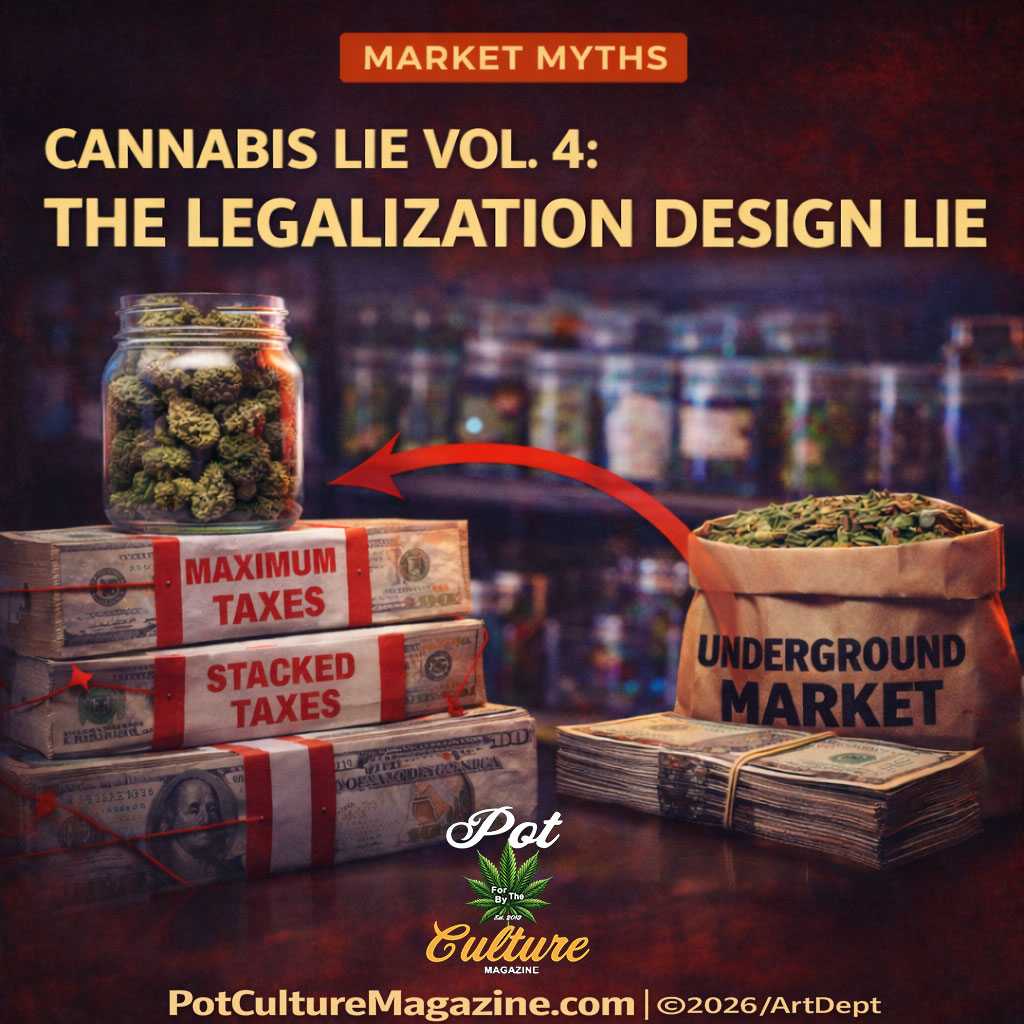
Cannabis Lie Vol. 4: The Legalization Design Lie
Cannabis legalization was sold as the end of the illicit market. Instead, stacked taxes, licensing limits, and local bans created price gaps that allowed underground sales to survive. From California’s cultivation tax to Illinois pricing and Michigan’s price compression, this installment of Cannabis Lie examines how policy design, not the plant, determines who wins and…
Discover more from POT CULTURE MAGAZINE
Subscribe to get the latest posts sent to your email.

Leave a comment