Filed Under: High Crimes in Idaho
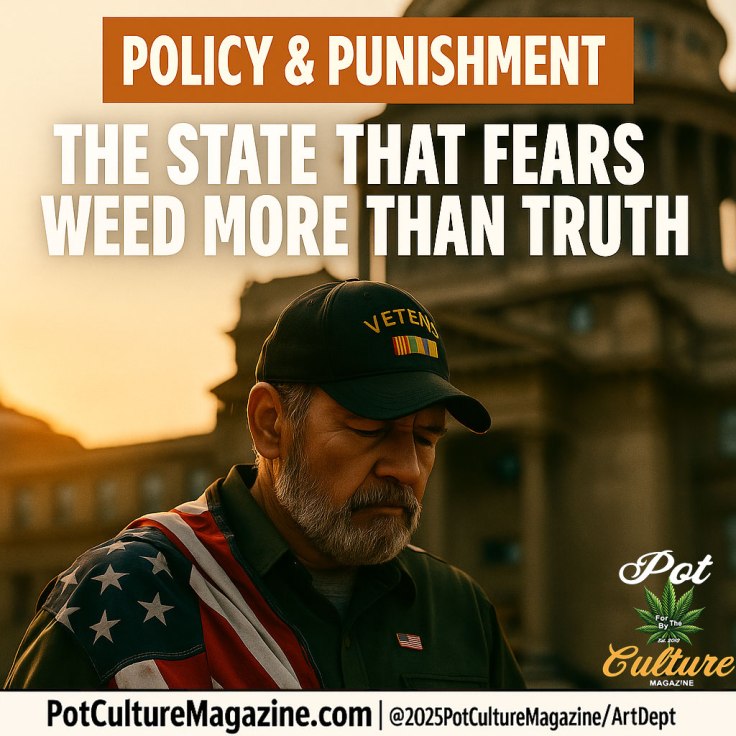
Idaho lives in a time warp. A place where weed is still a felony, where pain is a profit line, and where lawmakers believe the way to lead is to punish. The rest of the nation has moved on. Idaho is still fighting ghosts from the seventies and calling it virtue.
There is no medical program here. No dispensaries. No mercy. Get caught with three ounces or less, and you face jail and a mandatory minimum fine of three hundred dollars. Governor Brad Little signed it into law, calling it a fix for sentencing “disparity.” What it really fixes is revenue. It keeps poor people paying for a policy that should have died with Nixon.
The only ones still pushing back are regular citizens. Kind Idaho, a volunteer-run group of veterans, patients, and believers in basic autonomy, is leading the Decriminalize Cannabis Now initiative for the 2026 ballot. They are fighting to let adults twenty-one and older possess up to one ounce, one thousand milligrams of THC in other forms, and grow up to twelve plants for personal use. No shops, no corporate takeover. Just the right to not be handcuffed for a leaf.
The state designed the petition process to fail. Organizers must collect signatures equal to six percent of all registered voters, and they have to hit that number in at least eighteen of the thirty-five legislative districts by May 2026. They do it with clipboards and conviction while lawmakers call them criminals.

The counterattack is already on paper. House Joint Resolution 4 is a constitutional amendment written to take away the people’s right to legalize anything by ballot initiative. If it passes, Idahoans will never again be able to vote on marijuana, psychedelics, or any controlled substance without permission from the Legislature.
The man pushing it is Representative Bruce Skaug of Nampa. A career prosecutor turned politician. He sponsored the mandatory fine law. He sponsored HJR 4. He told the House he wanted Idaho to “go on the offense” against marijuana and other narcotics. His words, not mine. The House voted 58 to 10 in favor.
Skaug sells this as protecting families. What he is really protecting is control. He is not defending kids from weed. He is defending a system that still sees prison as a cure. He writes laws that raise fines for small-time users, then drafts constitutional armor to make sure no one can vote those laws out. That is not leadership. That is tyranny in a suit.
advertisement
F O R T H E C U L T U R E B Y T H E C U L T U R E
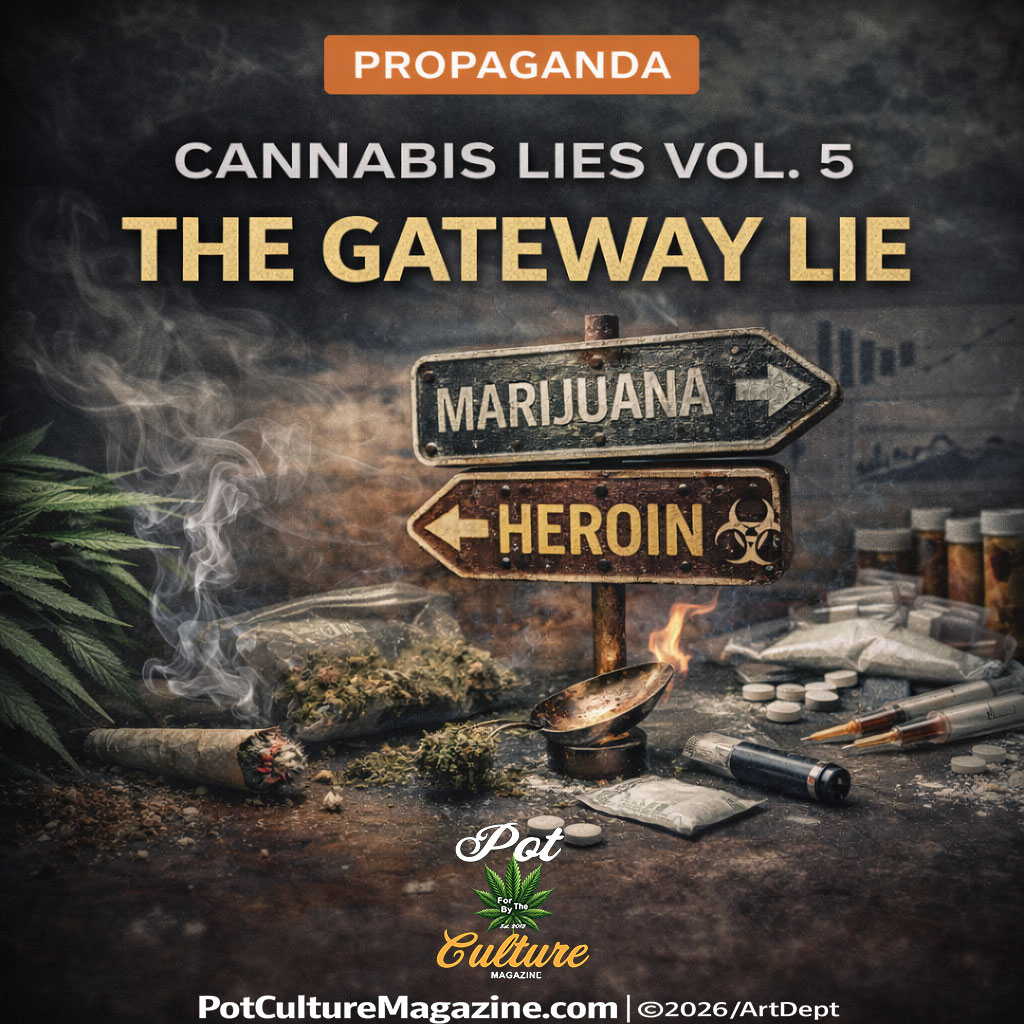
CANNABIS LIES Vol. 5: The Gateway Lie
For decades, politicians have claimed marijuana is a gateway to heroin and harder drugs. Federal youth surveys, NSDUH data, and NIDA’s own language tell a different story. Cannabis use is widespread, hard drug use remains rare, and most users do not progress. The data dismantles one of prohibition’s most durable fear narratives.

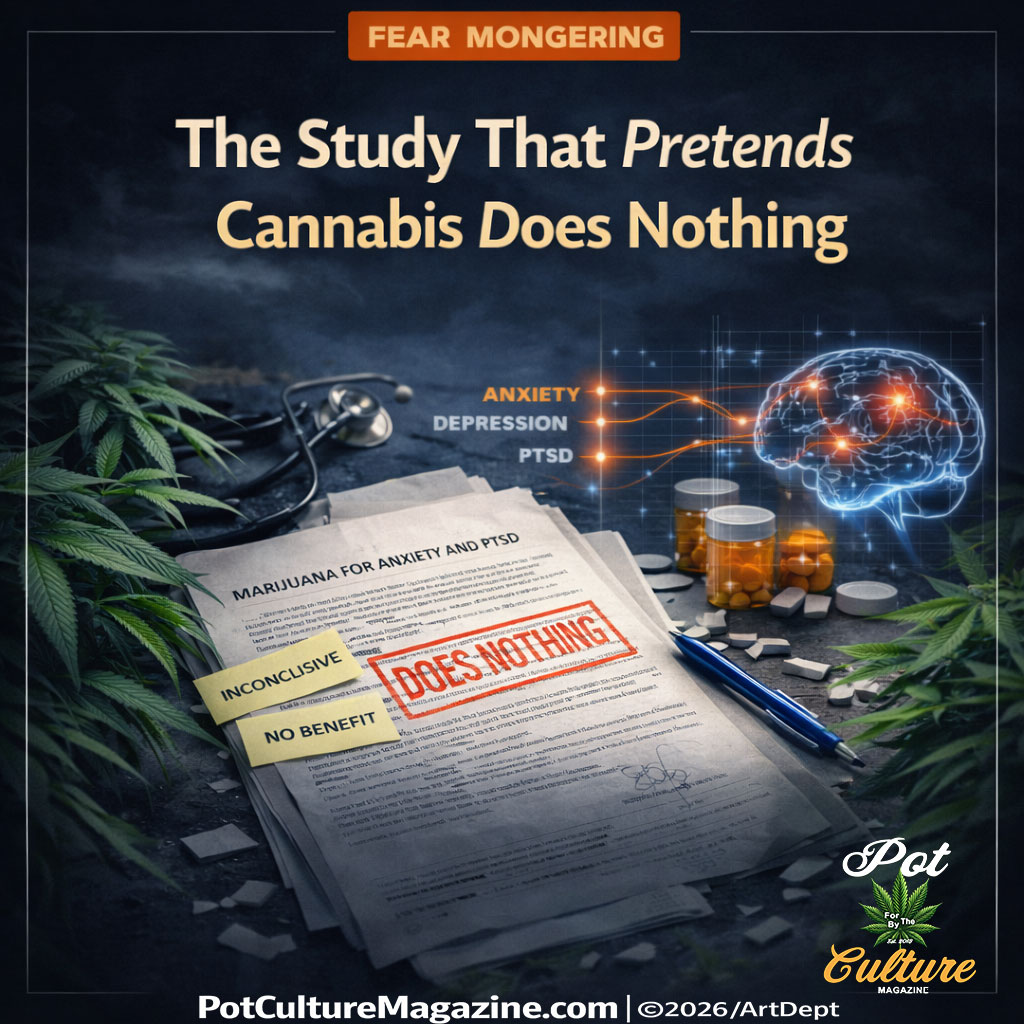
The Study That Pretends Cannabis Does Nothing
A new cannabis study claims marijuana does nothing for anxiety, depression, or PTSD. The reality is far more complicated. Decades of federal restrictions, limited research access, and synthetic substitutes have shaped the science. This breakdown exposes how incomplete data and selective interpretation continue to drive misleading headlines about cannabis and mental health.
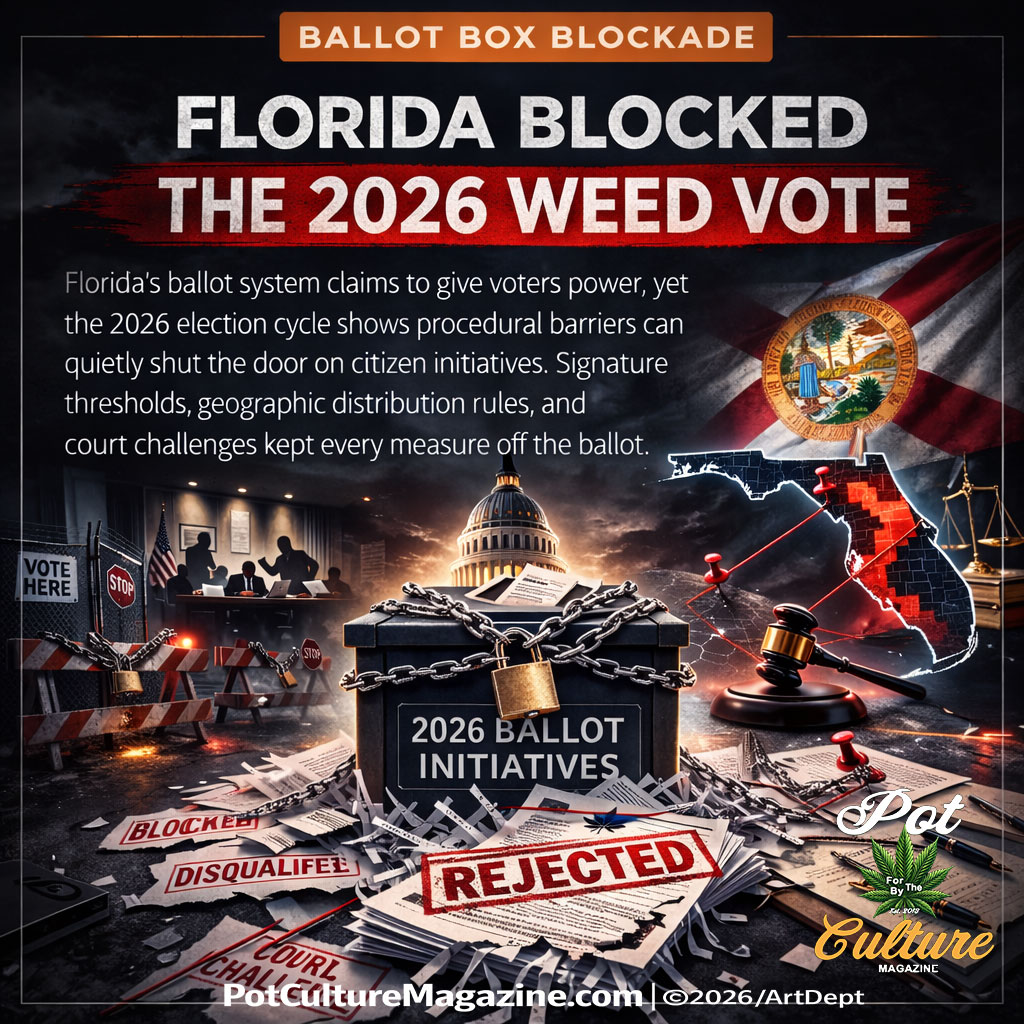
Florida Blocked the 2026 Weed Vote
Florida’s ballot system claims to give voters power, yet the 2026 election cycle shows how procedural barriers can quietly shut the door on citizen initiatives. Signature thresholds, geographic distribution rules, and court challenges blocked every measure from reaching voters, revealing how cannabis legalization fights are often decided by bureaucratic design long before election day.
advertisement
Here is what his policies mean in human terms. Idaho has more than one hundred fifteen thousand veterans. Nearly eight percent of the adult population. About one-third live with service-connected disabilities. Many suffer from chronic pain, PTSD, or trauma that doctors in other states treat with cannabis. Idaho tells them to stick with opioids or move.
Air Force veteran Jeremy Kitzhaber told lawmakers that he has been through one hundred fifty rounds of cancer treatment and takes eight different medications. He said cannabis worked better and cost less. He looked them in the eye and said, “I have an exemplary military career. I don’t have a criminal record, and I don’t want one for something like this.” They thanked him for his service and buried the bill.
Another veteran from Twin Falls told local reporters,
“I came home with pain and flashbacks. Cannabis let me sleep. Here, it makes me a criminal.”
He refused to give his name. That is what fear does. It silences people who have already given more than most.
If Bruce Skaug wants to write laws about morality, let him start by facing the moral wreckage he caused. He should sit across from the veterans who live with chronic pain and ask them why he believes jail is better medicine. He should look at Kitzhaber and explain why a plant that eases chemo pain should cost a man his freedom.
Does Bruce Skaug hate disabled veterans so much that he would deny them medicine? Because that is what this fight has become. It is not about law and order. It is about cruelty disguised as policy.
The hypocrisy is biblical. Idaho claims to defend liberty while criminalizing personal choice. It preaches smaller government while writing amendments to strip voters of their voice. Every surrounding state, Washington, Oregon, Nevada, Montana, and Utah, has at least some form of legal cannabis. Drive twenty minutes out of state and you can buy lab-tested products, pay tax, and go home free. Cross back into Idaho with the same medicine and you are a felon. That is the border between progress and paranoia.
Skaug and his allies call it virtue. The rest of the country calls it a relic.
Kind Idaho keeps collecting signatures anyway. They knock on doors, table at fairs, and talk to strangers who are sick of being told they are criminals for wanting relief. They have no corporate sponsors, no big donors, just Idahoans who are tired of living under a policy that punishes the sick and rewards hypocrisy.
The fight in 2026 is clear. One ballot question lets people possess and grow their own medicine. The other locks the cage permanently. Choose wrong, and Idaho’s prohibition becomes a constitutional fossil. Choose right and the people take back what belongs to them, their vote, their bodies, and their freedom.
The call to action is not polite. It is survival. If you live in Idaho, sign the petition. If you live next door, talk about it. If you have family there, tell them what the rest of the world already knows: cannabis is medicine, not a menace.
If you are a veteran, add your voice. Tell your story. Reach out to Kind Idaho and make sure lawmakers cannot pretend you do not exist. Share Kitzhaber’s testimony. Show up when they call hearings. Write letters. Speak truth into their silence. They want to legislate pain into obedience. Do not let them.
Skaug and his friends fear that truth more than the plant itself. Because once Idaho admits it, the whole machine they built on fear and fines starts to crumble.
The future is coming anyway. Idaho can meet it like adults or keep hiding behind a flag of moral panic. But the next time a veteran walks into a hearing and says cannabis helps him live, remember who said no.
© 2025 Pot Culture Magazine. All rights reserved. This content is the exclusive property of Pot Culture Magazine and may not be reproduced, distributed, or transmitted in any form or by any means without prior written permission from the publisher, except for brief quotations in critical reviews.
F O R T H E C U L T U R E B Y T H E C U L T U R E

The Cannabis Lie: Vol. 4 — The Crime Wave Lie
Politicians and pundits warned that legal cannabis would unleash a crime wave. The data tell a different story. From Colorado’s violent crime trends to DOJ time-series research and statewide arrest declines, the evidence shows no consistent long-term surge tied to legalization. The numbers never matched the panic.

South Africa Legalized Weed, But Not the Market
South Africa recognized private adult cannabis use and home cultivation, but never built a legal domestic market around them. With buying and selling still largely outside the law, the illicit trade remains dominant while regulators scramble to set limits, draft rules, and prepare a broader Cannabis Bill that could finally address commerce.
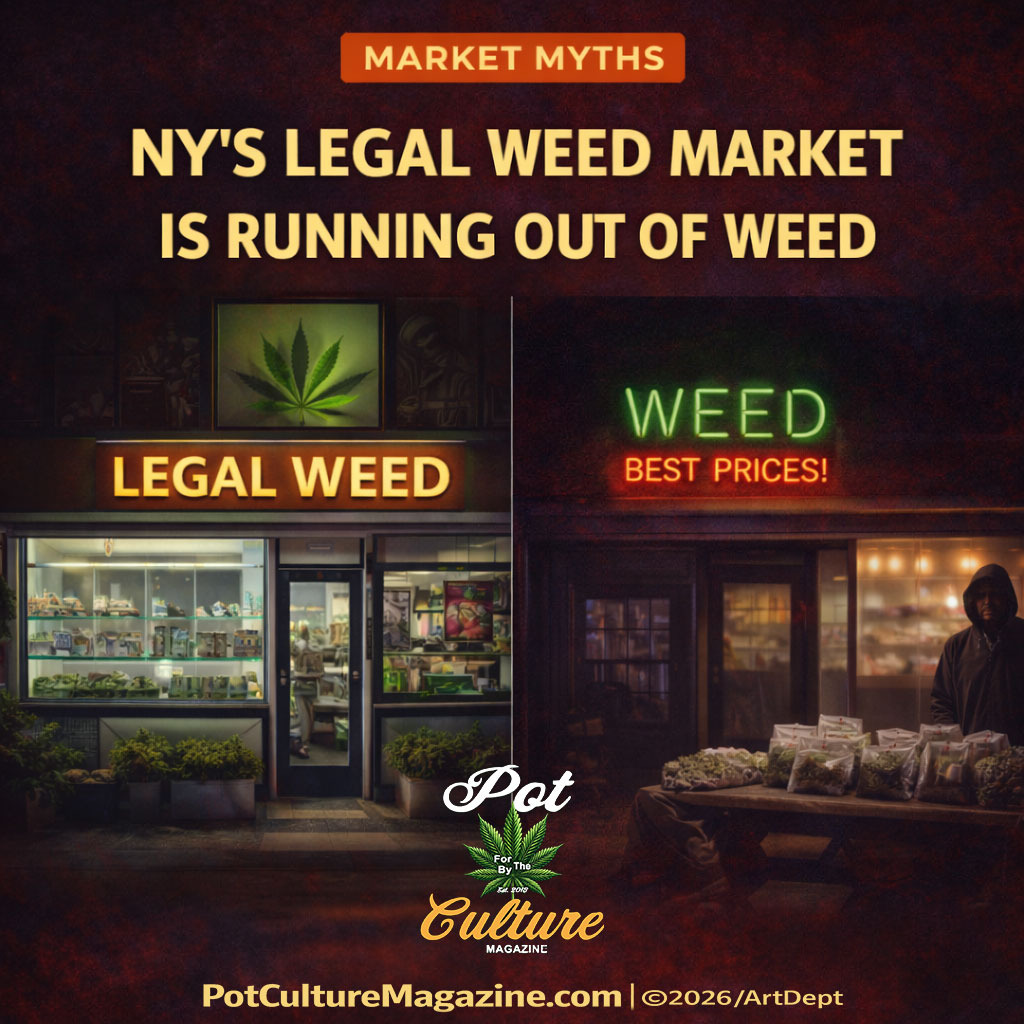
NY’s Legal Weed Market Is Running Out of Weed
New York legalized cannabis and opened hundreds of stores, but regulators now warn the legal market may not produce enough weed to keep them stocked. With nearly 600 stores open and sales nearing $3 billion, the state is discovering that legalization alone does not guarantee a functioning market.
Discover more from POT CULTURE MAGAZINE
Subscribe to get the latest posts sent to your email.

Leave a comment