Filed Under: The Great American Contradiction

The FBI says the War on Drugs is history, but the body count still climbs. In 2024, law enforcement made more than 204,000 marijuana arrests across the United States. Over 187,000 of those were for possession. That means about one in five drug arrests nationwide was for marijuana, in a nation where cannabis is legal for adults in almost half the states.
These are not cartel takedowns or kingpin busts. They are ordinary people pulled from cars and classrooms, from corners and couches. Ninety-two percent of all marijuana arrests in 2024 were for possession, not sales or cultivation, according to the FBI’s Crime Data Explorer. The country keeps saying cannabis is legal, yet hundreds of thousands are still dragged through booking rooms every year for the same flower that dispensaries sell with loyalty points.
Even the FBI admits its own math is crooked. Thousands of police departments do not report their numbers. Large departments in California and New York did not fully report arrest data for several years, according to FBI methodology notes. That means the 204,000 arrests the Bureau recorded are a conservative floor. The real total is likely tens of thousands higher. The federal data system that claims to measure national crime cannot even count its own contradictions.
Behind that statistical fog is a familiar pattern. The ACLU found that Black Americans are three and a half times more likely to be arrested for marijuana, according to the ACLU and FBI 2024 Crime Data Explorer, even though both groups use it at the same rate. The latest FBI dataset shows that Black people make up forty-one percent of possession arrests, while representing only fourteen percent of the population. Legalization has not closed the gap. In some places, it has widened it.
That is not a chance. It is old policing with a new excuse. Officers use the “odor of marijuana” as their all-access pass to search a car, a person, or a house. In Memphis, a Department of Justice review found that about ninety-five percent of drivers arrested after a marijuana odor stop were African American, according to a 2024 DOJ civil rights review of the Memphis Police Department. Most had tiny amounts or nothing at all. The DOJ called the practice unconstitutional. Local cops called it routine.
The names change, but the story repeats. A young Memphis woman was stopped for a broken headlight in 2024. Officers said they smelled marijuana and found eighteen grams, barely over half an ounce. She told them it was hers and that she was a smoker, not a dealer. She begged them to let her go because her mother was sick and nobody could post bail. They charged her with felony intent to distribute, which under Tennessee law is a Class E felony carrying one to six years in prison. The felony was dropped after a week, but not before she spent three nights in jail, paid fines she could not afford, and lost her car. Her crime was owning about one hundred dollars of weed.
advertisement
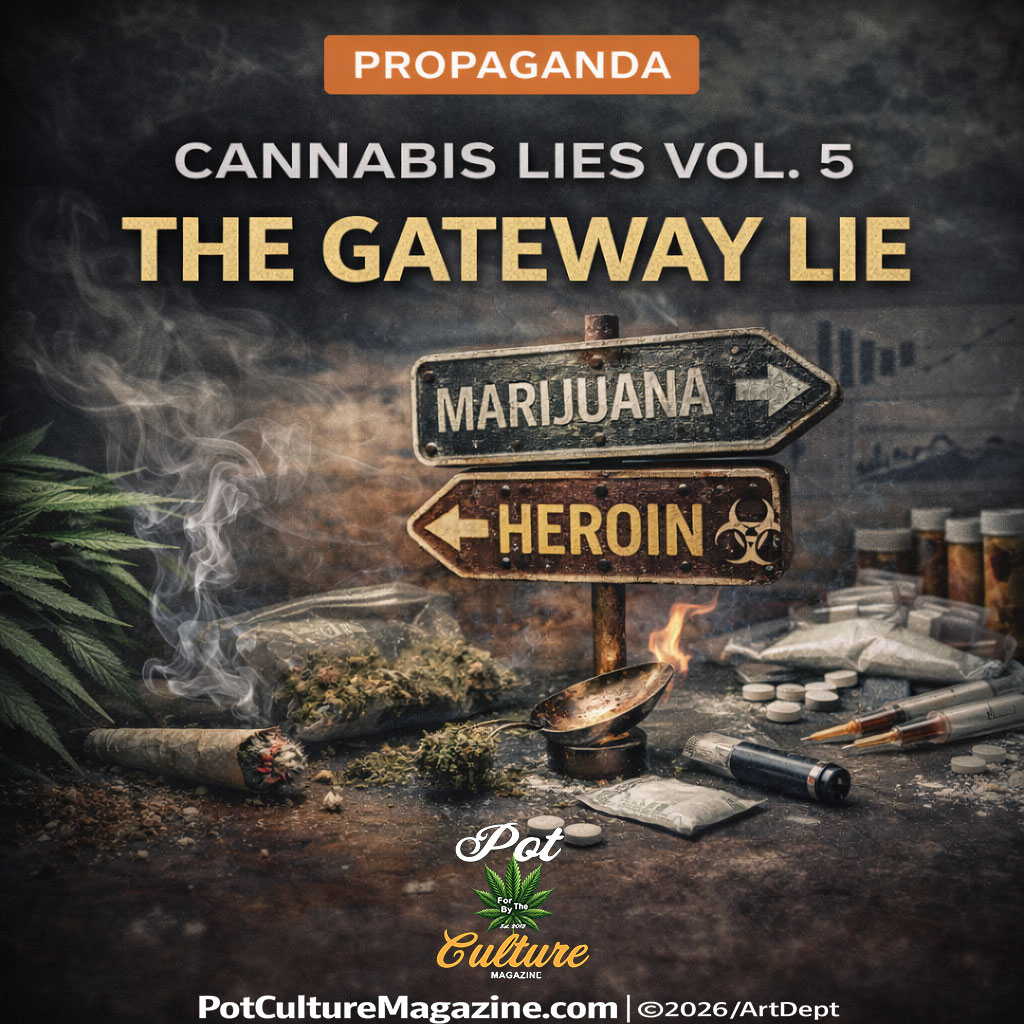
CANNABIS LIES Vol. 5: The Gateway Lie
For decades, politicians have claimed marijuana is a gateway to heroin and harder drugs. Federal youth surveys, NSDUH data, and NIDA’s own language tell a different story. Cannabis use is widespread, hard drug use remains rare, and most users do not progress. The data dismantles one of prohibition’s most durable fear narratives.

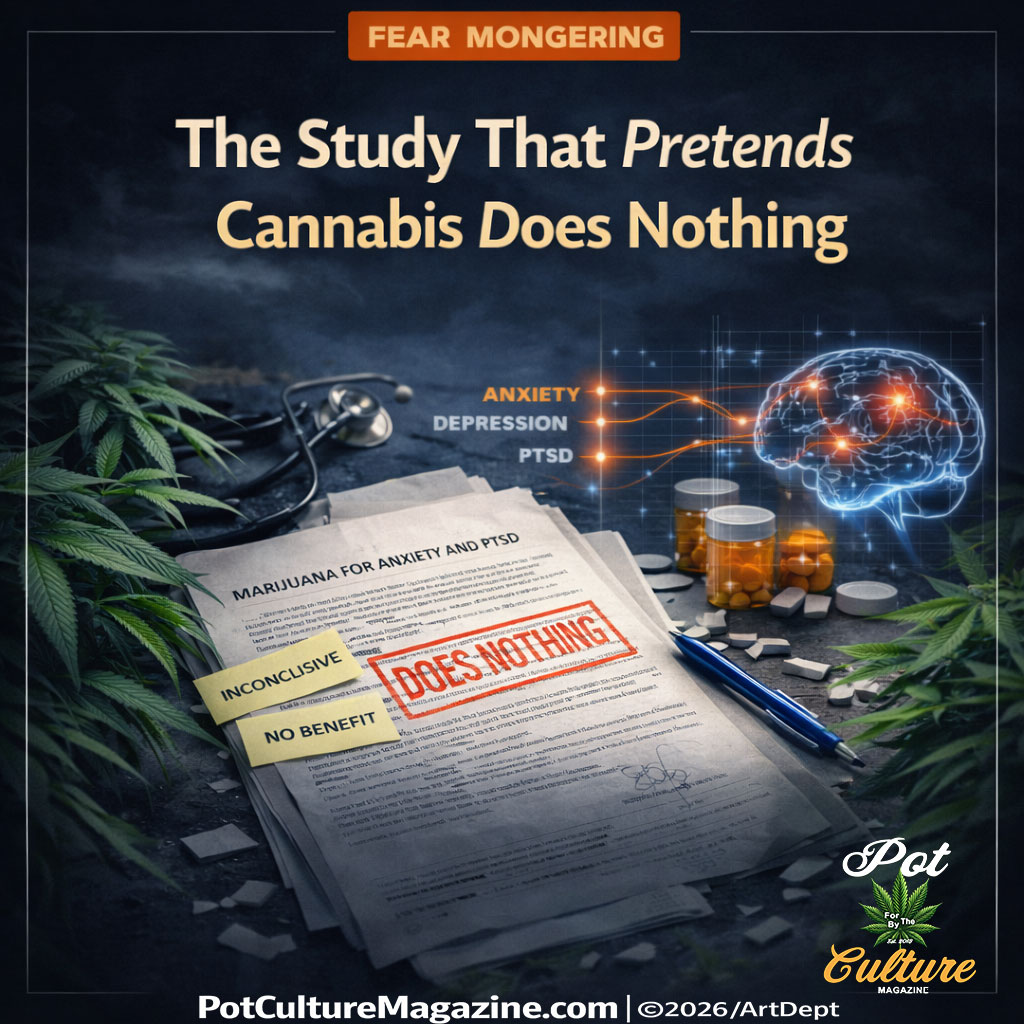
The Study That Pretends Cannabis Does Nothing
A new cannabis study claims marijuana does nothing for anxiety, depression, or PTSD. The reality is far more complicated. Decades of federal restrictions, limited research access, and synthetic substitutes have shaped the science. This breakdown exposes how incomplete data and selective interpretation continue to drive misleading headlines about cannabis and mental health.
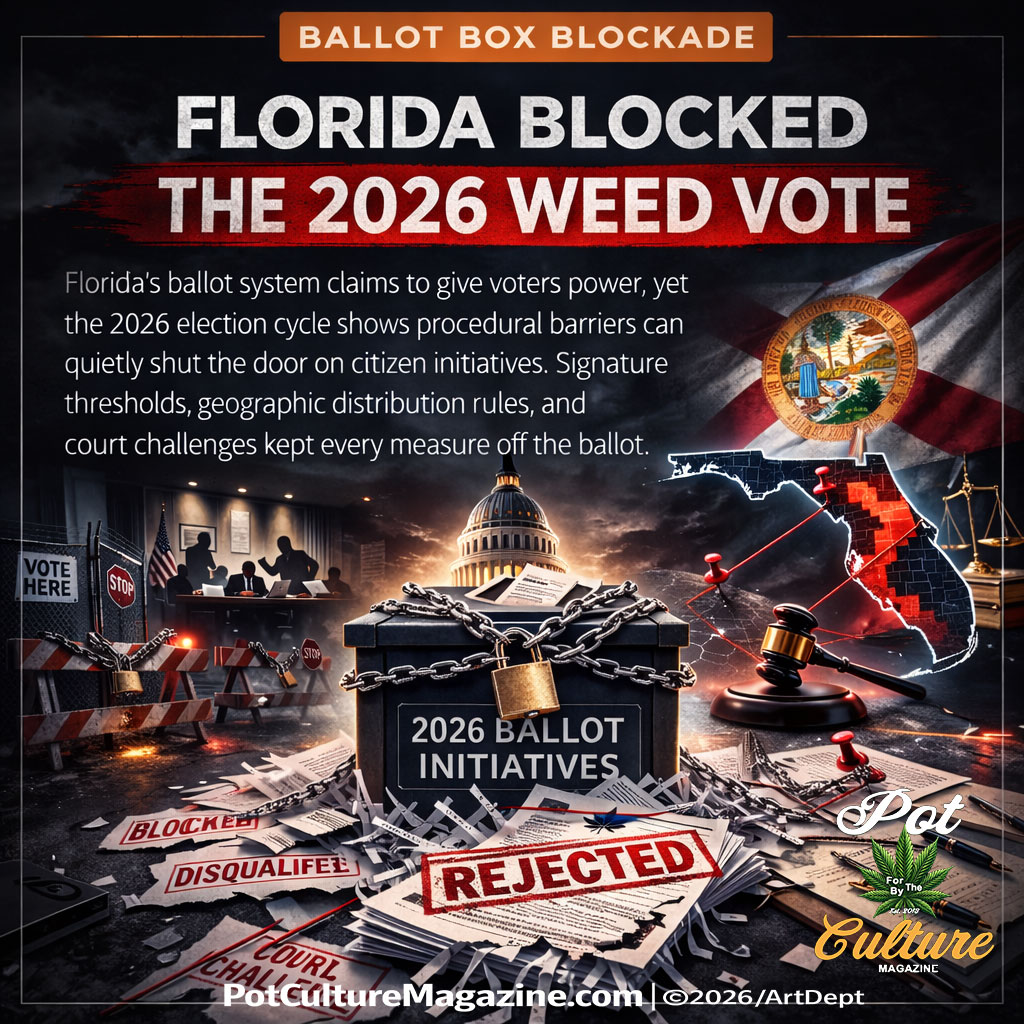
Florida Blocked the 2026 Weed Vote
Florida’s ballot system claims to give voters power, yet the 2026 election cycle shows how procedural barriers can quietly shut the door on citizen initiatives. Signature thresholds, geographic distribution rules, and court challenges blocked every measure from reaching voters, revealing how cannabis legalization fights are often decided by bureaucratic design long before election day.
advertisement
A few weeks later, an elderly woman in the same city was arrested for having sixteen grams in her purse. No scales, no cash, no plastic bags, nothing to suggest sales. The arresting officer wrote “intent to sell” on the report anyway. The charge collapsed in court, but she still went through booking and mug shots before a judge threw it out. The message was clear. In some places, the law does not see citizens. It sees suspects with scent.
Even public figures have faced felony charges for small amounts in Tennessee. Fame does not buy immunity when the state still criminalizes common sense.
The numbers only make the hypocrisy louder. Since the year 2000, over fifteen million marijuana arrests have been made in the United States. The Last Prisoner Project calls the FBI’s totals “deeply flawed” because thousands of agencies never report. Even so, the official count shows that marijuana remains one of the top reasons Americans meet a pair of handcuffs.
Legal states are not immune either. The FBI data shows nearly twenty-eight thousand cannabis arrests in legal jurisdictions in 2024, mostly for exceeding possession limits, unlicensed sales, or public consumption. The laws changed. The mindset did not. A joint in the wrong pocket can still end in court even when the same flower is taxed down the street.
Meanwhile, prohibition states continue to treat cannabis as a cash crop for the court system. Texas recorded over twenty-five thousand marijuana arrests in 2023, while several Southern states, including Georgia, Louisiana, and the Carolinas, each reported tens of thousands. In those places, possession of a single joint can still mean jail time. Other states claim to have “decriminalized” but replaced arrests with fines that feed municipal budgets. The war continues; it just sends the bill to the poor instead of the prisons.
Some cities are quietly rebelling. Austin, Texas, and parts of Alabama have adopted cite and release programs that keep small amounts of weed out of jails. New Orleans stopped booking people for minor possession altogether. These are survival policies, not revolutions. They show that local governments are willing to sidestep state law when state law makes no sense.
Every arrest carries a price tag. It costs taxpayers money, fills local courts, and brands people with records that block jobs, housing, and student aid. It also feeds the illusion that the system is working. Police departments still count marijuana seizures as wins. Politicians still treat enforcement numbers as proof of order. The truth is that none of it stops use, sale, or access. It only moves the problem around, punishing some and sparing others.
The FBI reports more than eight hundred thousand total drug arrests last year, but the majority were not violent or trafficked cases. They were routine stops, low-level charges, and petty possession. The numbers have fallen since 2007, when nearly nine hundred thousand Americans were arrested for weed alone, but decline is not victory. It is still mass punishment disguised as progress.
For every chart showing a drop, there is a courtroom still processing another young man for holding a plant. There are mothers paying bail, lawyers pleading down felonies, and judges pretending this all serves a purpose. It does not. It never has.
America keeps pretending it ended the drug war while quietly funding its reruns. It is easier to sell cannabis than to stop criminalizing it. Easier to call it reform than to admit failure. The FBI may have changed how it counts crime, but it still counts weed as one.
©2025 Pot Culture Magazine. All rights reserved. This content is the exclusive property of Pot Culture Magazine and may not be reproduced, distributed, or transmitted in any form or by any means without prior written permission from the publisher, except for brief quotations in critical reviews.
The Cannabis Lie: Vol. 4 — The Crime Wave Lie
Politicians and pundits warned that legal cannabis would unleash a crime wave. The data tell a different story. From Colorado’s violent crime trends to DOJ time-series research and statewide arrest declines, the evidence shows no consistent long-term surge tied to legalization. The numbers never matched the panic.

South Africa Legalized Weed, But Not the Market
South Africa recognized private adult cannabis use and home cultivation, but never built a legal domestic market around them. With buying and selling still largely outside the law, the illicit trade remains dominant while regulators scramble to set limits, draft rules, and prepare a broader Cannabis Bill that could finally address commerce.
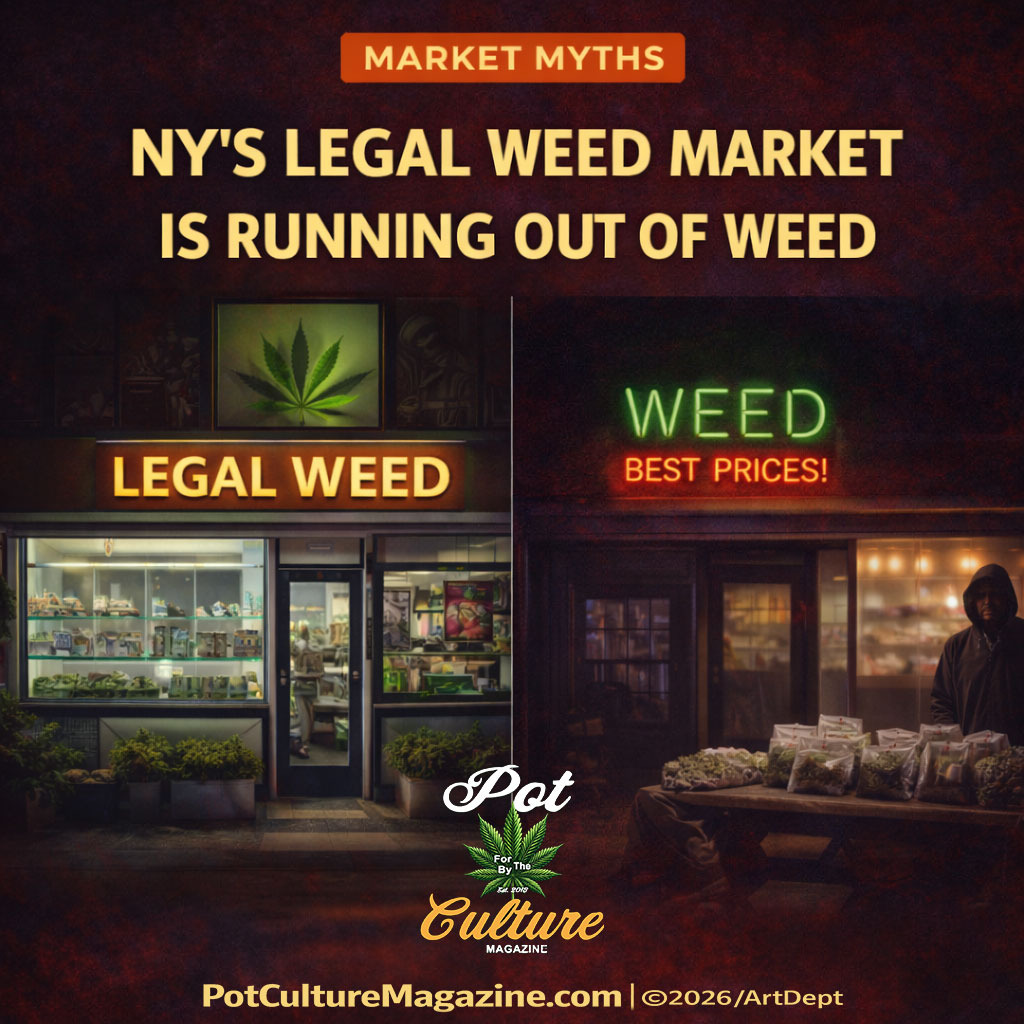
NY’s Legal Weed Market Is Running Out of Weed
New York legalized cannabis and opened hundreds of stores, but regulators now warn the legal market may not produce enough weed to keep them stocked. With nearly 600 stores open and sales nearing $3 billion, the state is discovering that legalization alone does not guarantee a functioning market.
Discover more from POT CULTURE MAGAZINE
Subscribe to get the latest posts sent to your email.

Leave a comment