Filed Under: Drug War Theater
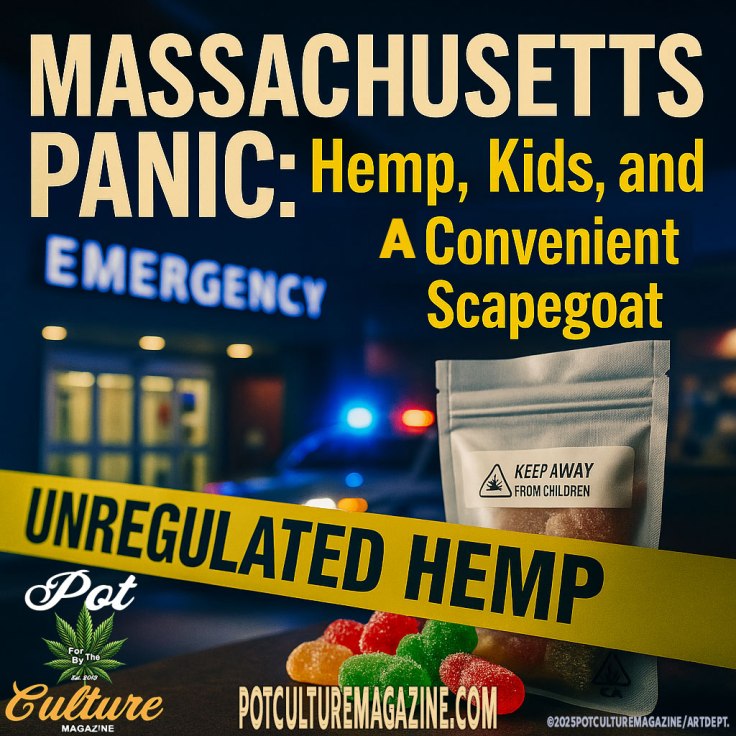
Every few months, prohibitionists get a new scare story, and this time, Massachusetts handed them one on a silver platter. State health data shows a 97 percent increase in pediatric cannabis-related ER visits between 2020 and 2023, and suddenly, every anti-cannabis politician is on TV wagging their finger. The NBC10 Boston report claims the rise is tied to children accidentally eating edibles, and companies like Insa, a licensed cannabis operator, are pointing the blame squarely at the hemp market.
The anecdotes are dramatic. ER doctors describe children hallucinating, doctors talk about “cannabis-induced psychosis,” and the cameras zoom in on candy packages that look suspiciously like Sour Patch Kids but are branded as “Stoner Patch Dummies.” It is made to sound like the streets of Boston are lined with toddlers tripping on weed gummies. What the headlines do not say is that the vast majority of these incidents are non-lethal, often resolved within hours, and stem from a failure of parenting and packaging oversight more than cannabis itself.
Let’s be real. Nobody should be selling a bag of gummies labeled 500 milligrams of THC per piece. That is not the hemp market. That is fraud. That is negligence. But prohibitionists are spinning this into a blanket attack on all cannabis, hoping voters forget that alcohol sends tens of thousands of kids to the ER every year and still gets cartoon mascots in Super Bowl ads. If this were about protecting children, liquor bottles shaped like fruit would have been banned decades ago.
The 2018 Farm Bill cracked hemp out of prohibition, but it left a wide-open gray zone. Entrepreneurs rushed into the space, filling gas stations and smoke shops with delta-8, delta-10, and high-dose “hemp” products. Regulators looked the other way because hemp was supposedly harmless. Now, states like Massachusetts are acting shocked that some operators exploited the gap. The answer is not to re-criminalize hemp or paint all cannabis as poison. The answer is targeted enforcement and honest regulation.
advertisement
F O R T H E C U L T U R E B Y T H E C U L T U R E

CANNABIS LIES Vol. 5: The Gateway Lie
For decades, politicians have claimed marijuana is a gateway to heroin and harder drugs. Federal youth surveys, NSDUH data, and NIDA’s own language tell a different story. Cannabis use is…

The Study That Pretends Cannabis Does Nothing
A new cannabis study claims marijuana does nothing for anxiety, depression, or PTSD. The reality is far more complicated. Decades of federal restrictions, limited research access, and synthetic substitutes have…
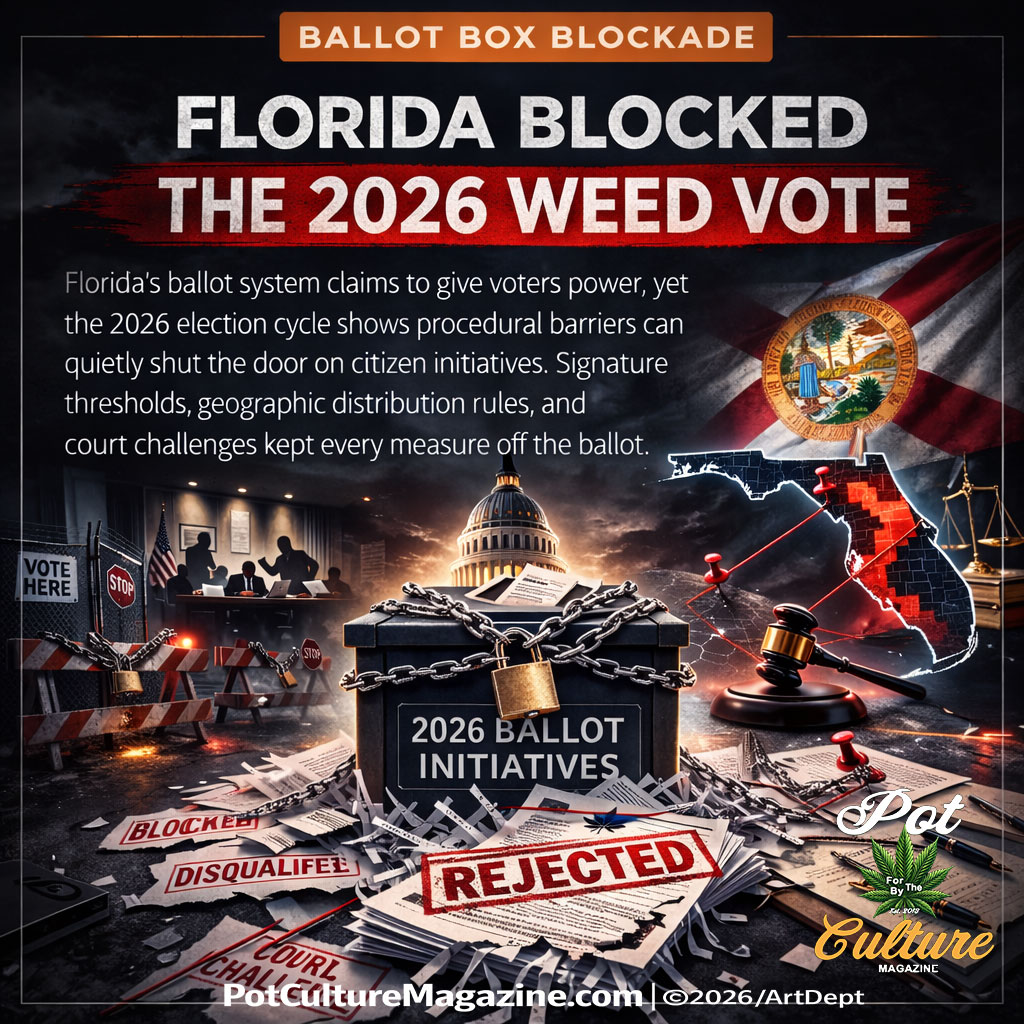
Florida Blocked the 2026 Weed Vote
Florida’s ballot system claims to give voters power, yet the 2026 election cycle shows how procedural barriers can quietly shut the door on citizen initiatives. Signature thresholds, geographic distribution rules,…
advertisement
The hypocrisy is thick. Massachusetts rakes in hundreds of millions in cannabis tax revenue while still criminalizing parts of the market. Licensed companies like Insa have every reason to throw shade on hemp shops because those shops cut into their profits. And lawmakers, always looking for a moral panic to ride, are happy to pretend hemp is the new devil weed. Meanwhile, parents who leave edibles lying around keep getting a free pass. If your kid eats a gummy, the fault starts at home.
This is prohibition theater disguised as public health. The state had its chance to build a rational system after legalization. Instead, it created a split market where legal operators scream about fairness and illegal operators do whatever they want. Now the fallout is being dumped on “hemp” as if banning one market will suddenly make parents lock up their stash. It will not.
What Massachusetts is really showing us is the same thing every state shows when it half-asses cannabis policy. People will find the product. Kids will sometimes get into it. Scare stories will dominate the news. And the real problems, overregulation, corporate lobbying, and prohibitionist fearmongering, will be swept under the rug.
If lawmakers actually cared about children, they would pass strict packaging laws, fund real public education campaigns, and regulate hemp intelligently instead of waiting for accidents to happen. But that does not make for a good headline. Screaming about a gummy bag that looks like candy does.
Until the system grows up, expect more of this. More panic, more finger-pointing, and more lawmakers pretending they are shocked that a plant they still treat like contraband is not perfectly controlled. The truth is simple: prohibition breeds chaos, and Massachusetts is living proof.
©2025 Pot Culture Magazine. All rights reserved. This content is the exclusive property of Pot Culture Magazine. It may not be reproduced, distributed, or transmitted in any form or by any means without prior written permission from the publisher, except for brief quotations in critical reviews.
F O R T H E C U L T U R E B Y T H E C U L T U R E

The Cannabis Lie: Vol. 4 — The Crime Wave Lie
Politicians and pundits warned that legal cannabis would unleash a crime wave. The data tell a different story. From Colorado’s violent crime trends to DOJ time-series research and statewide arrest declines, the evidence shows no consistent long-term surge tied to legalization. The numbers never matched the panic.

South Africa Legalized Weed, But Not the Market
South Africa recognized private adult cannabis use and home cultivation, but never built a legal domestic market around them. With buying and selling still largely outside the law, the illicit trade remains dominant while regulators scramble to set limits, draft rules, and prepare a broader Cannabis Bill that could finally address commerce.

NY’s Legal Weed Market Is Running Out of Weed
New York legalized cannabis and opened hundreds of stores, but regulators now warn the legal market may not produce enough weed to keep them stocked. With nearly 600 stores open and sales nearing $3 billion, the state is discovering that legalization alone does not guarantee a functioning market.
Discover more from POT CULTURE MAGAZINE
Subscribe to get the latest posts sent to your email.
