Filed Under: Trust Burn ✦
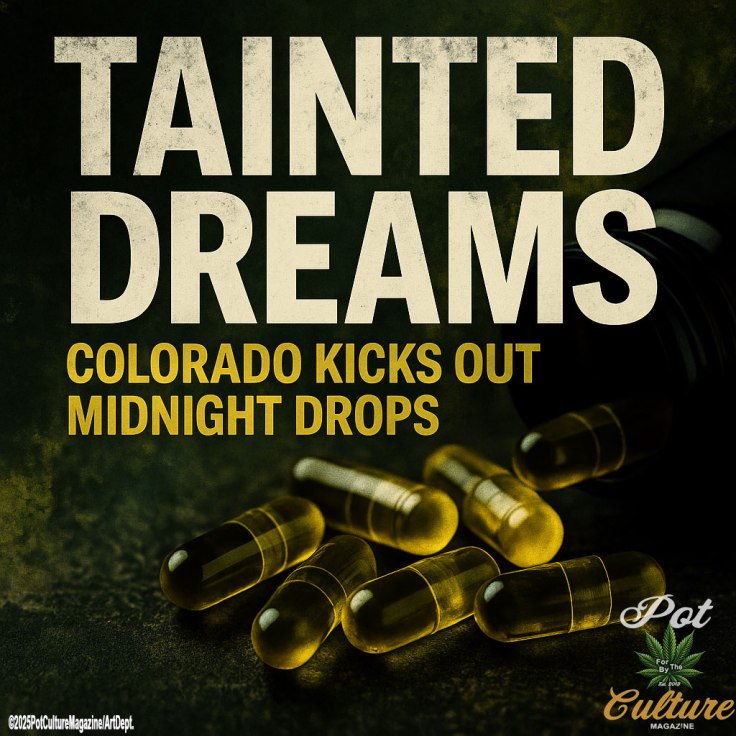
Cannabis was supposed to be the safer choice. That was the pitch, the promise, and the cultural truth people carried into the legal market. But safety only works if the companies behind the products give a damn about the people consuming them. In Colorado, three firms just showed what happens when that trust collapses. Nuka Enterprises, Sima Sciences, and Nuka Properties, the entities behind the 1906 “Midnight Drops,” agreed to a settlement after regulators tied their products to reports of liver injuries. They were fined four hundred thousand dollars and ordered to halt operations in the state, with the possibility of returning under conditions that were not detailed publicly.
This is not a plant story. It is a betrayal story. “Midnight Drops” were pitched as a cannabis sleep aid. Capsules packed with THC and herbal extracts, the kind of glossy product that ends up on boutique shelves and in slick ads aimed at wellness seekers. The companies promoted them heavily beginning in 2016, promising relaxation without risk. By 2020, the first consumer complaints surfaced. The Colorado Department of Revenue’s Marijuana Enforcement Division and the Department of Public Health and Environment flagged the pills in 2023, noting concerns with herbal additives and potential liver injury. Regulators highlighted Corydalis in earlier batches and later Stephania extract containing L-THP in subsequent versions, both associated with elevated liver enzymes that can indicate acute injury.
The state ordered action on the product. According to the attorney general’s office, the companies failed to take adequate steps. Midnight Drops continued to be sold while risks remained under review. That is not a clerical error. That is neglect of responsibility. State filings say the companies failed to properly research the herbal compounds, failed to alert retailers, and failed to uphold basic standards of consumer protection. Midnight Drops remained on shelves not because cannabis itself was inherently dangerous, but because profit was prioritized over precaution.
Cannabis gets dragged through the mud every time this happens. The headlines will not read “Herbal Additives Cause Harm.” They will read “Cannabis Product Linked to Liver Damage.” That distortion is the poison. The industry pays the price for operators who treat legalization like a cash grab. The culture pays the price when prohibitionists weaponize the news to argue cannabis is unsafe. The consumer pays the price in hospital visits, medical bills, and lost trust.
It did not have to be this way. Colorado has been a leader in legalization for more than a decade. Regulators know the eyes of the nation are on them. Yet the notice of health risks in 2023 sat while the product stayed in circulation. Only after the attorney general filed suit did meaningful consequences follow. That looks less like proactive oversight and more like reactive theater, protecting appearances while the risks lingered.
The fines sound big, but four hundred thousand dollars is a marketing budget for some outfits. Even with penalties that could climb to one million dollars if terms are violated, the money does not match the alleged damage, and the settlement leaves the door open for a return if conditions are met. Which means this might not be an ending at all. It might just be an intermission until the spotlight fades.
advertisement
F O R T H E C U L T U R E B Y T H E C U L T U R E
CANNABIS LIES Vol. 5: The Gateway Lie
For decades, politicians have claimed marijuana is a gateway to heroin and harder drugs. Federal youth surveys, NSDUH data, and NIDA’s own language tell a different story. Cannabis use is…
The Study That Pretends Cannabis Does Nothing
A new cannabis study claims marijuana does nothing for anxiety, depression, or PTSD. The reality is far more complicated. Decades of federal restrictions, limited research access, and synthetic substitutes have…
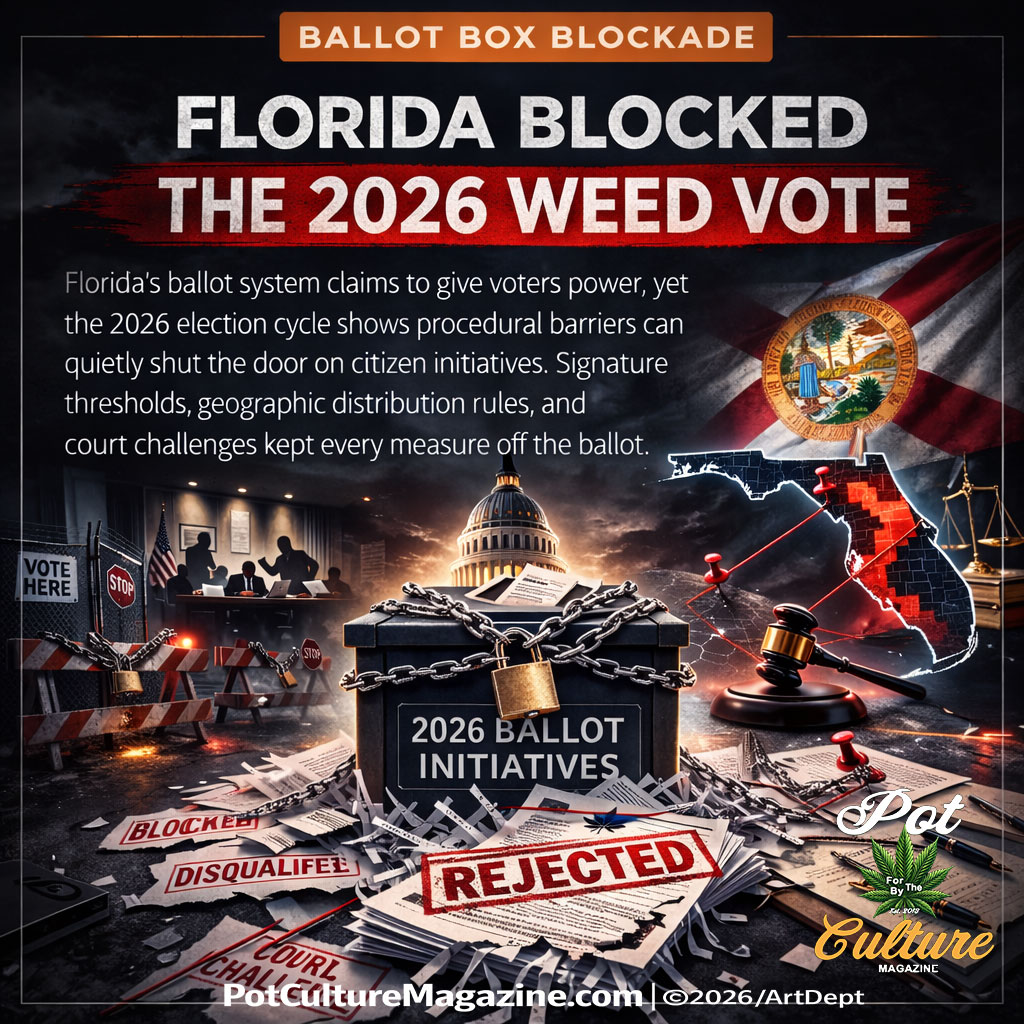
Florida Blocked the 2026 Weed Vote
Florida’s ballot system claims to give voters power, yet the 2026 election cycle shows how procedural barriers can quietly shut the door on citizen initiatives. Signature thresholds, geographic distribution rules,…
advertisement
Here is what gets lost in the headlines. Cannabis has not been shown to directly cause liver injury in this case. These capsules were not just cannabis. They were cannabis combined with under-researched botanicals, marketed without comprehensive testing, and left on shelves despite reports of harm. The issue was not the plant. It was corporate risk-taking. It was a system that allowed companies to push products until lawsuits or enforcement actions arrived.
Colorado’s consumers deserve better. They walked into dispensaries believing legalization meant oversight, quality, and transparency. What they got instead was a capsule that regulators later tied to potential harm. A product marketed as wellness but carrying hidden risks. A repeat of an old story, companies cutting corners, and regulators moving too slowly. The plant deserves better, too. Every scandal like this sets the culture back years. It hands ammunition to politicians eager to gut reform. It feeds headlines that echo louder than the truth.
The question is what happens now. Do other states take note and tighten standards before something similar occurs? Or do they wait until lawsuits knock at their doors? Do regulators finally move faster than the companies they are supposed to oversee? Or do they continue issuing warnings while risky products stay on shelves?
For the cannabis community, the takeaway is simple. Trust is fragile. The industry is still young, still fighting for legitimacy, still under the microscope. One company’s negligence can taint the entire market. If legalization is going to mean more than tax revenue, it has to mean protecting consumers from precisely this kind of betrayal.
Colorado just pushed Midnight Drops out. That was overdue. But the story does not end with one brand or one settlement. The culture has to decide whether it will let glossy branding substitute for integrity, whether it will accept slow-walking regulators, and whether it will let prohibitionists seize the narrative every time a bad actor is caught.
Cannabis did not cause this mess. Corporate decision-making did. Regulatory inertia did. The sooner that distinction is made clear, the better chance the plant has of surviving the next smear campaign.
©2025 Pot Culture Magazine. All rights reserved. This content is the exclusive property of Pot Culture Magazine and may not be reproduced, distributed, or transmitted in any form or by any means without prior written permission from the publisher, except for brief quotations in critical reviews.
F O R T H E C U L T U R E B Y T H E C U L T U R E

The Cannabis Lie: Vol. 4 — The Crime Wave Lie
Politicians and pundits warned that legal cannabis would unleash a crime wave. The data tell a different story. From Colorado’s violent crime trends to DOJ time-series research and statewide arrest declines, the evidence shows no consistent long-term surge tied to legalization. The numbers never matched the panic.


South Africa Legalized Weed, But Not the Market
South Africa recognized private adult cannabis use and home cultivation, but never built a legal domestic market around them. With buying and selling still largely outside the law, the illicit trade remains dominant while regulators scramble to set limits, draft rules, and prepare a broader Cannabis Bill that could finally address commerce.
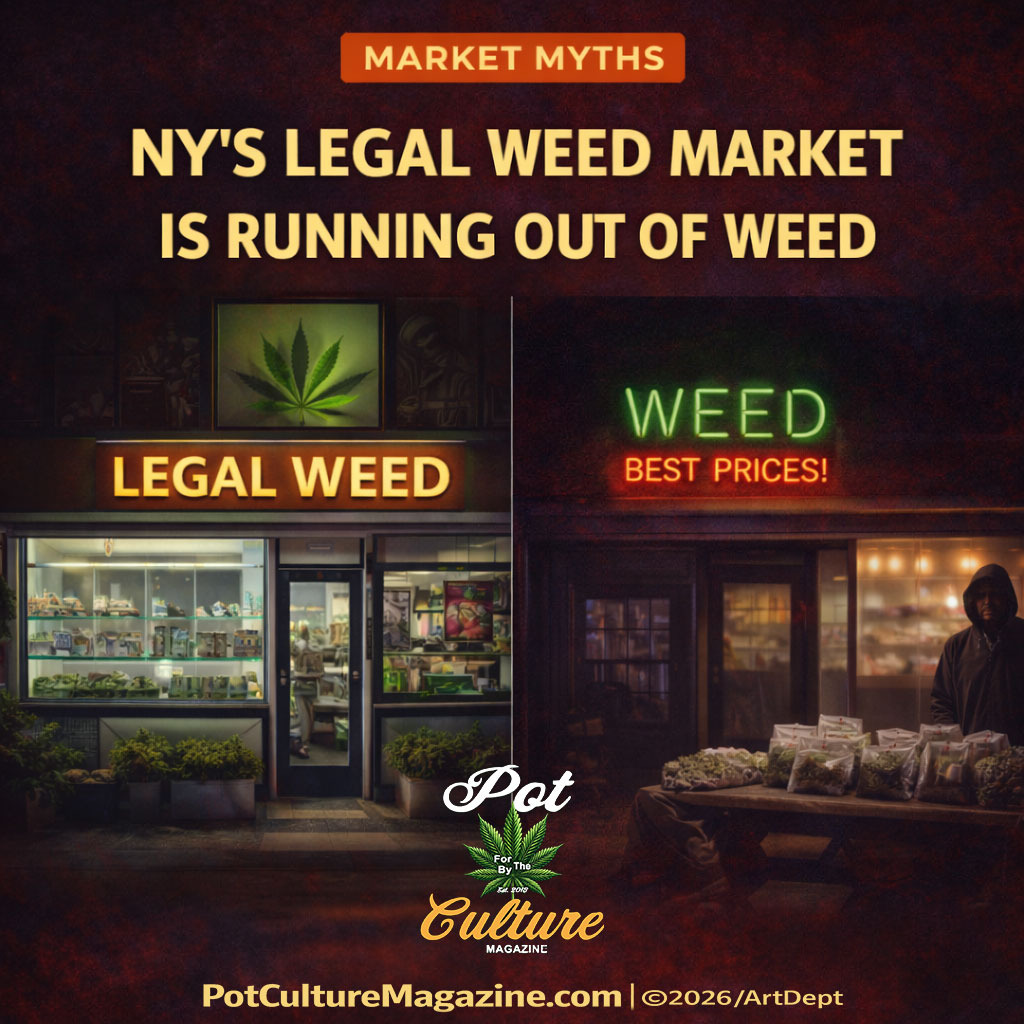
NY’s Legal Weed Market Is Running Out of Weed
New York legalized cannabis and opened hundreds of stores, but regulators now warn the legal market may not produce enough weed to keep them stocked. With nearly 600 stores open and sales nearing $3 billion, the state is discovering that legalization alone does not guarantee a functioning market.
Discover more from POT CULTURE MAGAZINE
Subscribe to get the latest posts sent to your email.

Leave a comment