Filed Under: Potency Theater
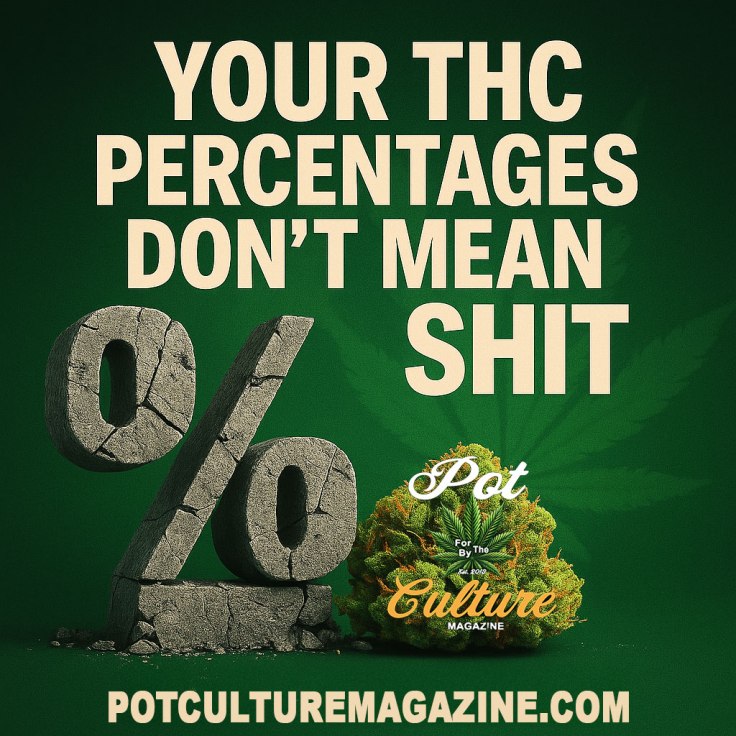
That jar of flower screaming 36 percent THC? It is not the gospel truth. It is a number pulled from one nug, tested in one lab, and printed like it were scripture. In reality, it is just a snapshot. That number tells you something about that bud, but it does not tell the full story about the high you are going to feel.
For years, the industry has trained consumers to chase THC like it were the only metric that mattered. High THC can matter in some ways, but it is not the kingmaker you think it is. The science backs that up. The regulators back that up. The people growing honest products back that up.
The Obsession with Numbers
Walk into any dispensary, and you will see it. The customer points to the jar with the highest THC number, like they are picking the strongest drink on the bar shelf. Budtenders know this. Producers know this. The entire supply chain leans on the idea that bigger numbers mean better highs, because bigger numbers mean faster sales.
The Colorado Department of Revenue’s 2023 market report showed flower labeled over 30 percent THC moved 70 percent faster than anything in the mid-20s. That demand is real, and so is the pressure to feed it. Shops reward growers who can keep those high numbers on the labels. Growers reward labs that will play along. Consumers keep reinforcing the cycle every time they buy the highest number without asking any other questions.
The Sliding Scale Reality
Here is the truth they will never print on a label. THC levels naturally vary from bud to bud, even on the same plant. The fat top colas test higher. The smaller popcorn nugs test lower. When a batch gets tested, it is usually one nug pulled at random. That single number gets applied to every eighth, every quarter, every pound.
Your eighth did not test at 32 percent. One lucky nug did. The rest might be in the mid-20s, or even the teens. You will never know it, because the label trains you to believe the highest number printed on the bag.
Lab Shopping and Inflated Numbers
advertisement
F O R T H E C U L T U R E B Y T H E C U L T U R E

CANNABIS LIES Vol. 5: The Gateway Lie
For decades, politicians have claimed marijuana is a gateway to heroin and harder drugs. Federal youth surveys, NSDUH data, and NIDA’s own language tell a different story. Cannabis use is widespread, hard drug use remains rare, and most users do not progress. The data dismantles one of prohibition’s most durable fear narratives.

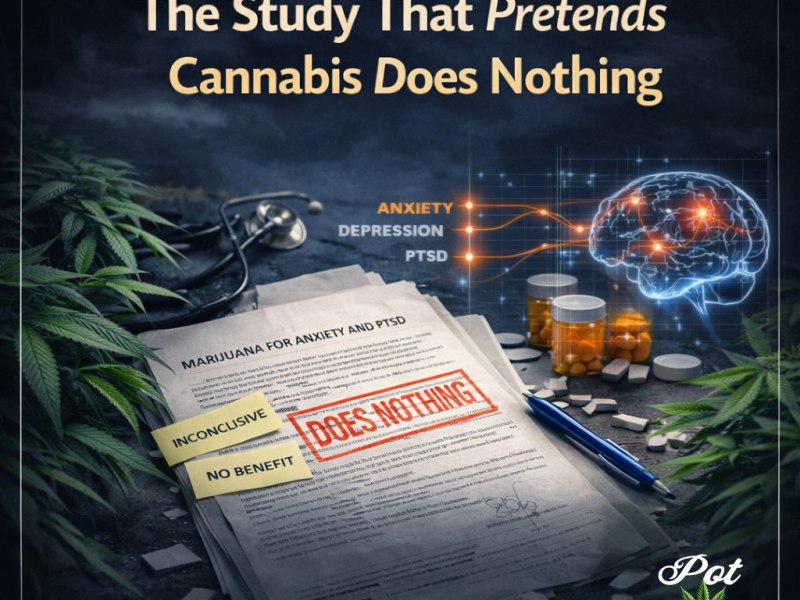
The Study That Pretends Cannabis Does Nothing
A new cannabis study claims marijuana does nothing for anxiety, depression, or PTSD. The reality is far more complicated. Decades of federal restrictions, limited research access, and synthetic substitutes have shaped the science. This breakdown exposes how incomplete data and selective interpretation continue to drive misleading headlines about cannabis and mental health.
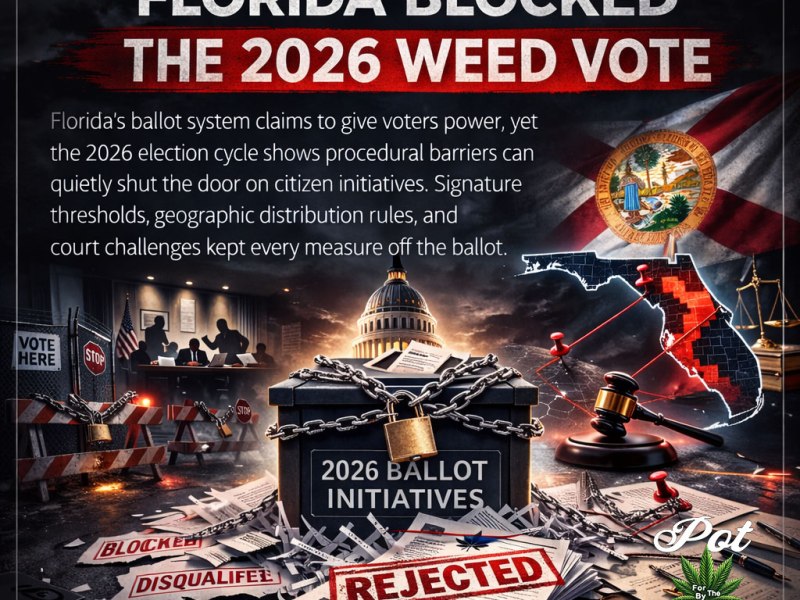
Florida Blocked the 2026 Weed Vote
Florida’s ballot system claims to give voters power, yet the 2026 election cycle shows how procedural barriers can quietly shut the door on citizen initiatives. Signature thresholds, geographic distribution rules, and court challenges blocked every measure from reaching voters, revealing how cannabis legalization fights are often decided by bureaucratic design long before election day.
advertisement
Lab shopping is not a rumor whispered in back rooms. It is documented. Regulators have caught it over and over in California, Oregon, and Michigan. A Michigan investigation in 2021 found Viridis Labs inflating results so consistently that the state yanked licenses and fined the lab for misleading consumers. California has shut down multiple labs for the same behavior.
A peer-reviewed study in PLOS One (2022) examined testing data from Washington and Colorado and found the same pattern. Across multiple labs and hundreds of samples, THC levels were inflated by three to seven percent on average. The competitive pressure to show big numbers corrupted the testing system. Accuracy took a back seat to marketability.
This is why two jars from two different farms, both claiming 34 percent, can deliver completely different highs. The number has been turned into a marketing weapon. Accuracy has nothing to do with it.
The Real Chemistry of Getting High
Here is the part that gets buried in the noise. The way you experience a high is about more than just THC. It is about how THC interacts with everything else in the plant, the minor cannabinoids like CBG and CBN, and the terpenes that carry the scent and shape the experience. Scientists call it the entourage effect, and it is what makes cannabis unique.
This is why a 16 percent OG Kush can put you flat on the couch while a flashy 30 percent designer strain leaves you anxious and restless. The terpene myrcene drives that heavy body melt. Pinene can sharpen your focus or make a high feel cleaner. Limonene can brighten the mood and cut the edge off anxiety. None of that shows up in a simple THC number.
Think of THC as the drummer in a band. It sets the beat. Without the rest of the band, you are just listening to a metronome.
The Human Factor
There is another truth the labels ignore. Your own biology shapes your high more than the percentage ever will. Metabolism, diet, hydration, and even how much sleep you got last night can change how your endocannabinoid system interacts with THC.
Tolerance builds fast, and it builds unevenly. What floors a casual smoker barely nudges someone who smokes every day. Two people can smoke the same joint, from the same jar, and walk away with completely different highs. That is not marketing hype. That is human biology.
Outsmarting the Number Game
Here is the part the industry will never teach you, because if you knew it, the THC cult would collapse overnight.
Shop for terpenes, not just THC. If you want heavy, sedative effects, look for strains high in myrcene. If you want something energetic and clear, look for limonene or pinene. Terpenes tell you far more about how a strain will hit than any THC percentage.
Trust your own high. If a lower testing strain hits you perfectly, that is your strain. Forget what the label says. Forget what anyone else says. Your body is the only metric that matters.
Support honest growers. Boutique farms that refuse to use lab shops are the ones producing consistent, reliable highs. They are often the people who have been growing for decades, long before the packaging got glossy and the numbers became a marketing war. Ask your budtender where the flower came from. Buy from people who value integrity over hype.
Keep your flower fresh. THC and terpenes degrade quickly when the bud is stored poorly. Airtight jars, cool temperatures, and low light keep your weed potent and flavorful.
Mind your method. Clean glass or a good vaporizer will deliver a different high than a resin-caked pipe or a blunt rolled with chemical-laced tobacco. Experiment until you find the delivery method that gives you the experience you want.
Take a break when you need to. Even a two-day tolerance break can reset your receptors enough to make the same flower hit like it used to.
Build your map. Pay attention to what strains, terpenes, and methods deliver the highs you love. Over time, you will build a personal menu that no label can replicate. That is how you take control of your high.
How the THC Arms Race Started
This obsession with numbers did not come out of nowhere. During prohibition, potency was the only way growers could compete. When you are selling in the shadows, the promise of a stronger product is a powerful sales tool. That mentality carried over into the legal market, but now it is supercharged by marketing budgets, glossy packaging, and customers who never learned any better.
Dispensaries reward big numbers. Magazines and influencers highlight high-THC strains like they are trophies. Labs that play along get more business. Growers who play along get more shelf space. It is a feedback loop, and it keeps spinning because nobody wants to be the one stuck with a bag labeled 24 percent when the guy down the street is printing 36s.
Killing the Number Game
The suits turned weed into a scoreboard. The only way to kill that game is to stop playing. Stop buying based on THC alone. Stop letting a number tell you how to feel about your own high.
The best smoke is the one that hits you where you want it. The one that makes you roll another, not because of what the label says, but because of how it makes you feel.
This plant was never about numbers. It was about connection, about moments, about people. Somewhere along the way, the industry forgot that. You do not have to.
Light up. Trust yourself. Let the clowns chase labels. You know better now.
©2025 Pot Culture Magazine. All rights reserved. This content is the exclusive property of Pot Culture Magazine and may not be reproduced, distributed, or transmitted in any form or by any means without prior written permission from the publisher, except for brief quotations in critical reviews.
F O R T H E C U L T U R E B Y T H E C U L T U R E

The Cannabis Lie: Vol. 4 — The Crime Wave Lie
Politicians and pundits warned that legal cannabis would unleash a crime wave. The data tell a different story. From Colorado’s violent crime trends to DOJ time-series research and statewide arrest declines, the evidence shows no consistent long-term surge tied to legalization. The numbers never matched the panic.

South Africa Legalized Weed, But Not the Market
South Africa recognized private adult cannabis use and home cultivation, but never built a legal domestic market around them. With buying and selling still largely outside the law, the illicit trade remains dominant while regulators scramble to set limits, draft rules, and prepare a broader Cannabis Bill that could finally address commerce.

NY’s Legal Weed Market Is Running Out of Weed
New York legalized cannabis and opened hundreds of stores, but regulators now warn the legal market may not produce enough weed to keep them stocked. With nearly 600 stores open and sales nearing $3 billion, the state is discovering that legalization alone does not guarantee a functioning market.
Discover more from POT CULTURE MAGAZINE
Subscribe to get the latest posts sent to your email.

Leave a comment