Filed Under: Puff Psychosis
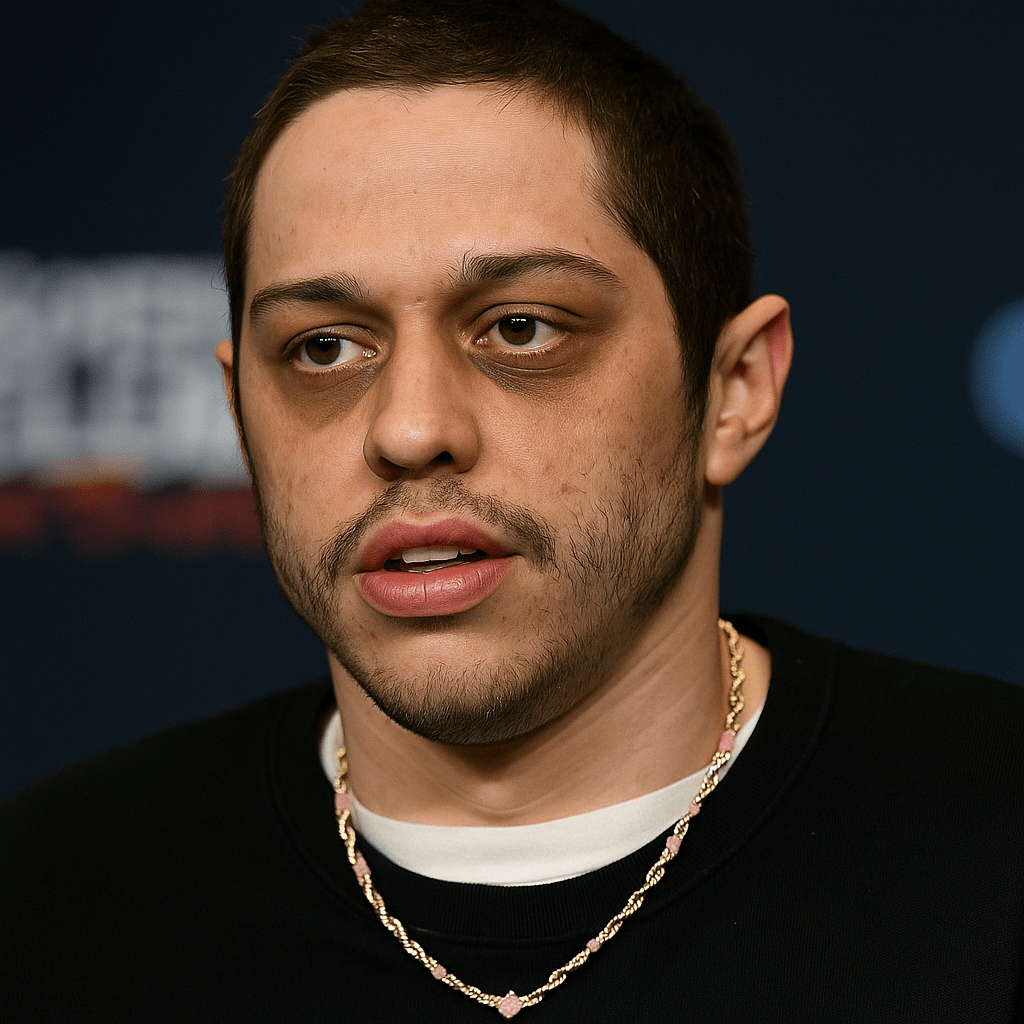
Pete Davidson just pissed in the punch bowl of cannabis culture. On The Breakfast Club, he admitted he ended up in “psychosis”, hearing voices, and feeling detached from his own body. Fine. That’s his experience. But then he said it was because “weed is too strong.” That’s not just a confession, that’s a loaded weapon handed to prohibitionists who live off celebrity soundbites like this. They don’t need facts, they need headlines. And Pete just gave them one.
This is where celebrity recklessness becomes cultural damage. Pete Davidson is a comedian, not a scientist, not a researcher, not an authority on cannabis policy. He has called himself a “big drug addict,” he burned through coke, ketamine, and pills, he covered himself in tattoos and then dropped two hundred thousand dollars to erase them, he even managed to plow a Mercedes into a house in Beverly Hills and walked away with a reckless driving charge and a morgue class to remind him what reckless decisions do to real people. He lives in extremes. He admits as much. If he can’t handle his weed intake, that’s fine. That’s his reality. But when he frames it as weed being “too strong,” he stops talking about himself and starts feeding prohibition.
advertisement
F O R T H E C U L T U R E B Y T H E C U L T U R E
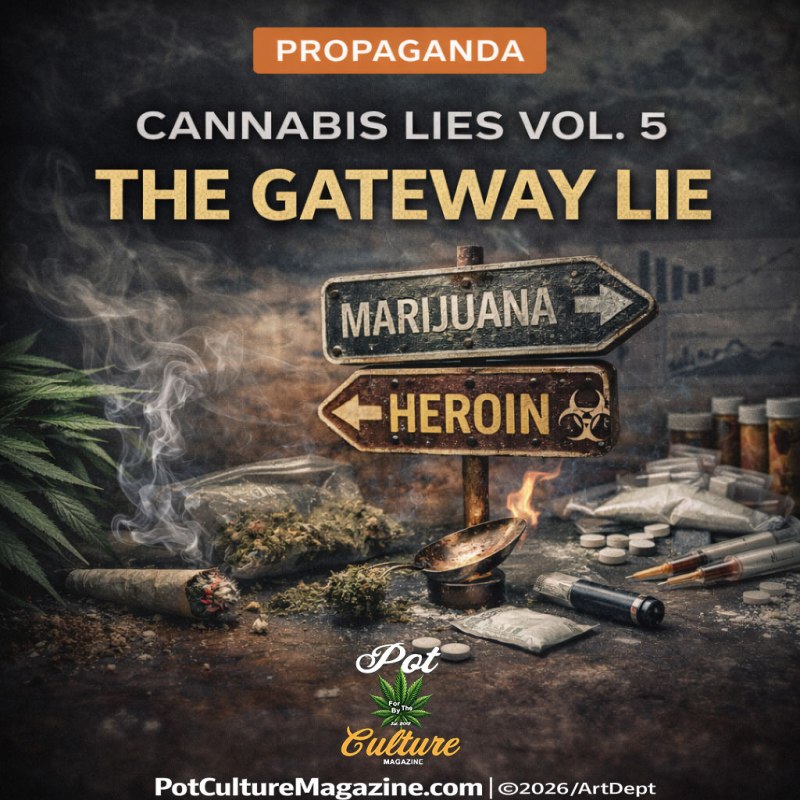
CANNABIS LIES Vol. 5: The Gateway Lie
For decades, politicians have claimed marijuana is a gateway to heroin and harder drugs. Federal youth surveys, NSDUH data, and NIDA’s own language tell a different story. Cannabis use is…

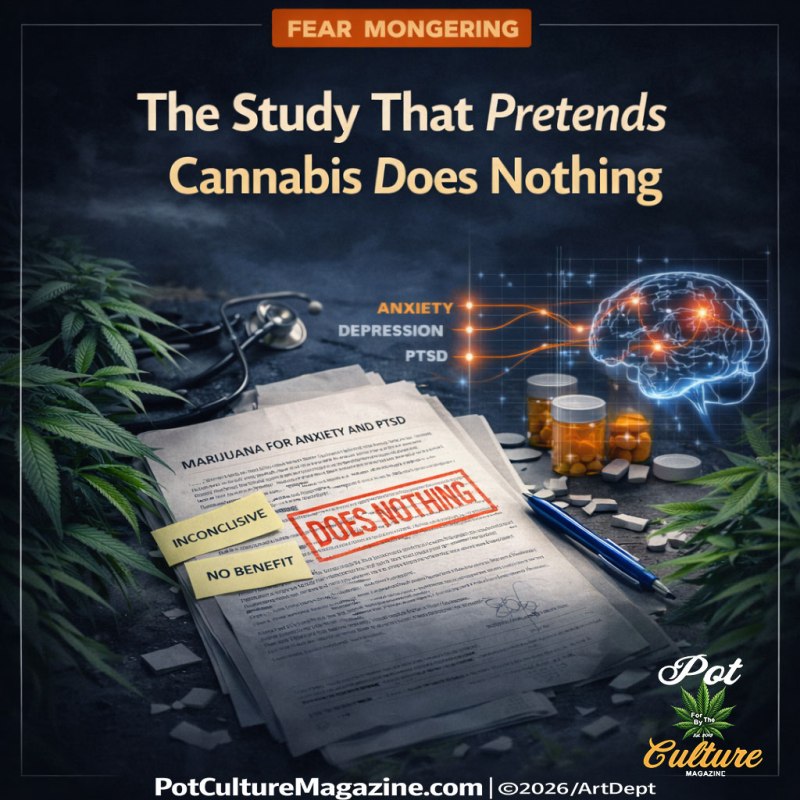
The Study That Pretends Cannabis Does Nothing
A new cannabis study claims marijuana does nothing for anxiety, depression, or PTSD. The reality is far more complicated. Decades of federal restrictions, limited research access, and synthetic substitutes have…
advertisement
And prohibitionists will eat it up. They’ve been clawing for another angle, another reason to push THC caps and potency laws that have nothing to do with science and everything to do with control. They’ve tried the “protect the children” line, they’ve tried the “gateway drug” line, and they’ve tried the “cannabis causes crashes” line. Now they get to throw Pete Davidson’s psychosis on the pile. They won’t bother with nuance. They won’t mention his history of chaos. They won’t admit millions of people use cannabis responsibly every day without unraveling. They will take the words of one celebrity and his issues and slap them on the table as proof.
Here’s the hypocrisy. Alcohol causes psychosis. Alcohol fuels domestic abuse, car wrecks, violence, and death. Nobody demands whiskey be cut down to half strength. Pharmaceutical companies flood streets with opioids that kill thousands. Nobody suggests weakening Oxy to protect fragile celebrities. But the second a comedian cries that weed is “too strong,” lawmakers perk up like hounds catching a scent on the wind. That double standard is the rot at the heart of drug policy. Again, it has nothing to do with health and everything to do with control.
Cannabis culture has fought for decades to kill lies like this. It fought through prisons, raids, smear campaigns, and a media machine built on fear. It fought to prove that cannabis is medicine, that it is survival, that it is joy. And just when the myths are breaking down, Pete Davidson drags one back out of the closet because he can’t keep his shit together. That’s not honesty, that’s betrayal.
Let’s be clear. Pete Davidson is not the story of weed. He is the story of chaos. He is the story of addiction, regret, and bad decisions. He is the story of a man who could not handle his own life. That’s his burden. What he does not get to do is turn his burden into the culture’s problem. What he does not get to do is hand prohibitionists a new talking point after everything this community has fought for.
Weed isn’t too strong. Pete Davidson is too weak. That is the line. And we have to draw it now before his story gets carved into law. Cannabis culture cannot afford another round of prohibition myths. We cannot afford THC caps and potency laws designed around one celebrity’s breakdown. We cannot afford to let Pete Davidson’s personal collapse be turned into cultural punishment.
The truth is simple. Pete Davidson’s chaos is his. His psychosis is his. His crash is his. His regrets are his. They do not belong to the plant, and they do not belong to us. The culture has carried enough lies, enough myths, enough burdens. We are not carrying his too.
So let’s be clear. Pete, your weakness is not our problem. You could not handle your weed. Fine. That is your story. But do not hand prohibitionists a weapon and call it truth. Do not sabotage decades of struggle with one careless soundbite. Cannabis is not too strong. You are too weak. And we will not let your weakness rewrite our culture.
©2025 Pot Culture Magazine. All rights reserved. This content is the exclusive property of Pot Culture Magazine and may not be reproduced, distributed, or transmitted in any form or by any means without prior written permission from the publisher, except for brief quotations in critical reviews.
F O R T H E C U L T U R E B Y T H E C U L T U R E
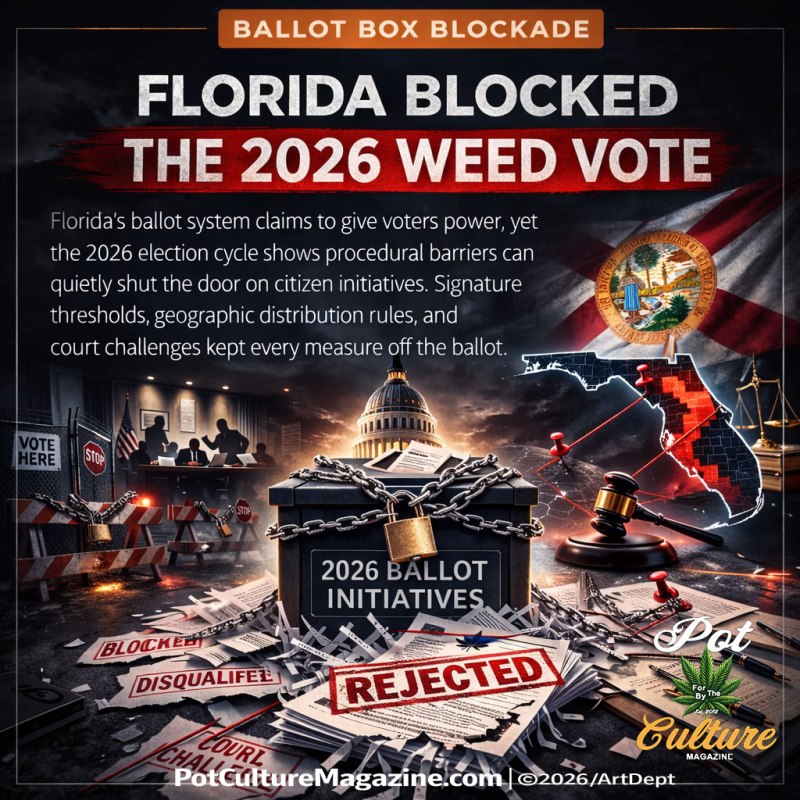
Florida Blocked the 2026 Weed Vote
Florida’s ballot system claims to give voters power, yet the 2026 election cycle shows how procedural barriers can quietly shut the door on citizen initiatives. Signature thresholds, geographic distribution rules, and court challenges blocked every measure from reaching voters, revealing how cannabis legalization fights are often decided by bureaucratic design long before election day.
The Cannabis Lie: Vol. 4 — The Crime Wave Lie
Politicians and pundits warned that legal cannabis would unleash a crime wave. The data tell a different story. From Colorado’s violent crime trends to DOJ time-series research and statewide arrest declines, the evidence shows no consistent long-term surge tied to legalization. The numbers never matched the panic.
South Africa Legalized Weed, But Not the Market
South Africa recognized private adult cannabis use and home cultivation, but never built a legal domestic market around them. With buying and selling still largely outside the law, the illicit trade remains dominant while regulators scramble to set limits, draft rules, and prepare a broader Cannabis Bill that could finally address commerce.
Discover more from POT CULTURE MAGAZINE
Subscribe to get the latest posts sent to your email.

Leave a comment