Filed Under: Cultivation Gone Corporate
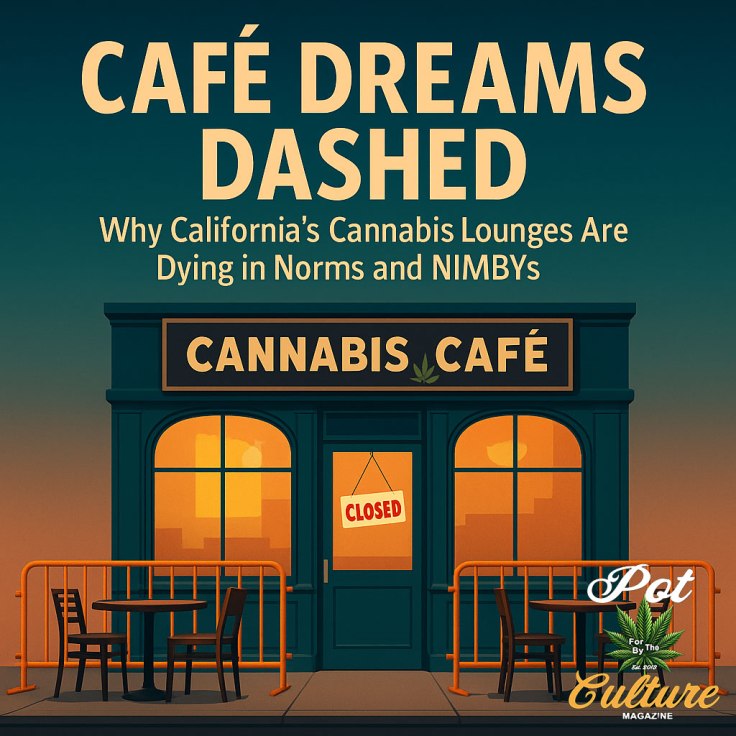
California said yes to cannabis cafés. AB 1775 was signed into law with promises of social consumption lounges, weed-friendly food service, and a return to community. Instead, what California delivered was a parade of permits, zoning hell, and dead dreams buried under local bullshit. The law took effect January 1, 2025. On paper, it allows licensed dispensaries and microbusinesses to serve food, host live music, and permit on-site cannabis use. In practice, it allows nothing unless your city council says it does. Most haven’t. Some never will.
The state gave locals control, and the locals used that power to stall, water down, or completely block implementation. San Francisco still has not updated its health codes. That means you can smoke inside a lounge but cannot eat a sandwich. Politicians there claim they are working on it. There is no timeline. Meanwhile, Coachella and West Hollywood sprinted ahead. Their lounges are open, regulated, and functioning. The rest of California is stuck in a familiar loop. Legal on the books, impossible in real life.
West Hollywood legalized cannabis lounges in 2017, long before the state got around to it. They issued dedicated consumption licenses. They let dispensaries build cafés. They even survived early media hysteria. That is why Lowell Farms opened there. That is why Artist Tree operates a multi-level consumption café today. They figured out how to make it work. Food and weed are paid for separately. Budtenders and servers wear different uniforms. The result is awkward but legal. It also made money. Enough money to attract every weed chain trying to build a presence in SoCal.
Then came AB 1775. The bill was supposed to fix all the workarounds and normalize café operations statewide. It lets operators sell cannabis and food from the same register. It lets lounges host live music and entertainment without violating their license. It sounded like progress. But unless your city passed local enabling ordinances, none of it mattered. California legalized the structure. Cities were responsible for building the floor. Most still have not poured concrete.
Senator Ben Allen, one of the bill’s authors, framed it like a cleanup job for a broken system.
“This bill closes a loophole by allowing cannabis lounges to serve fresh food as opposed to just pre-packaged food or food received from delivery services,” Allen said. “This bill was a priority for our West Hollywood business community, and will make the cannabis lounge scene in WeHo safer.” Politicians love to declare a fix. Then they let the system stall behind closed doors.
F O R T H E C U L T U R E B Y T H E C U L T U R E
Texas Is Moving to Shut Down the Hemp Market
Texas helped build one of the largest hemp THC markets in the country, then moved to shut it down. As regulators tighten rules and enforcement increases, businesses are left exposed…

CANNABIS LIES Vol. 5: The Gateway Lie
For decades, politicians have claimed marijuana is a gateway to heroin and harder drugs. Federal youth surveys, NSDUH data, and NIDA’s own language tell a different story. Cannabis use is…
The Study That Pretends Cannabis Does Nothing
A new cannabis study claims marijuana does nothing for anxiety, depression, or PTSD. The reality is far more complicated. Decades of federal restrictions, limited research access, and synthetic substitutes have…
ADVERTISEMENT
San Francisco stalled immediately. Their health department declared that on-site food service in cannabis lounges remained prohibited. There was no outreach to operators. No clarity on what compliance would look like. No public statement of intent. San Diego, Sacramento, and Los Angeles have all dragged their feet in similar ways. Everyone is waiting for someone else to go first. Meanwhile, operators sit on licenses they cannot use. Budgets evaporate. Projects die before they launch.
This is the California way. Celebrate the law. Smother the practice. The state talks about equity, inclusion, and cultural progress. Cities talk about parking, ventilation systems, and secondhand smoke. The result is a massive contradiction. You can buy cannabis legally almost anywhere. You just cannot sit down and enjoy it with a friend. Dispensaries can sell you 30 percent flower in a frosted jar. They just cannot give you a chair and a plate of fries while you wait for it to kick in.
It is all happening under the usual disguise. Public health. Community input. Workplace safety. One side says we need rules to protect people from smoke. The other side just wants to enjoy weed the same way you enjoy wine or craft beer, or a cigar bar. This was supposed to be a cultural shift. Instead, it is a zoning war. The only thing that got shifted was the burden.
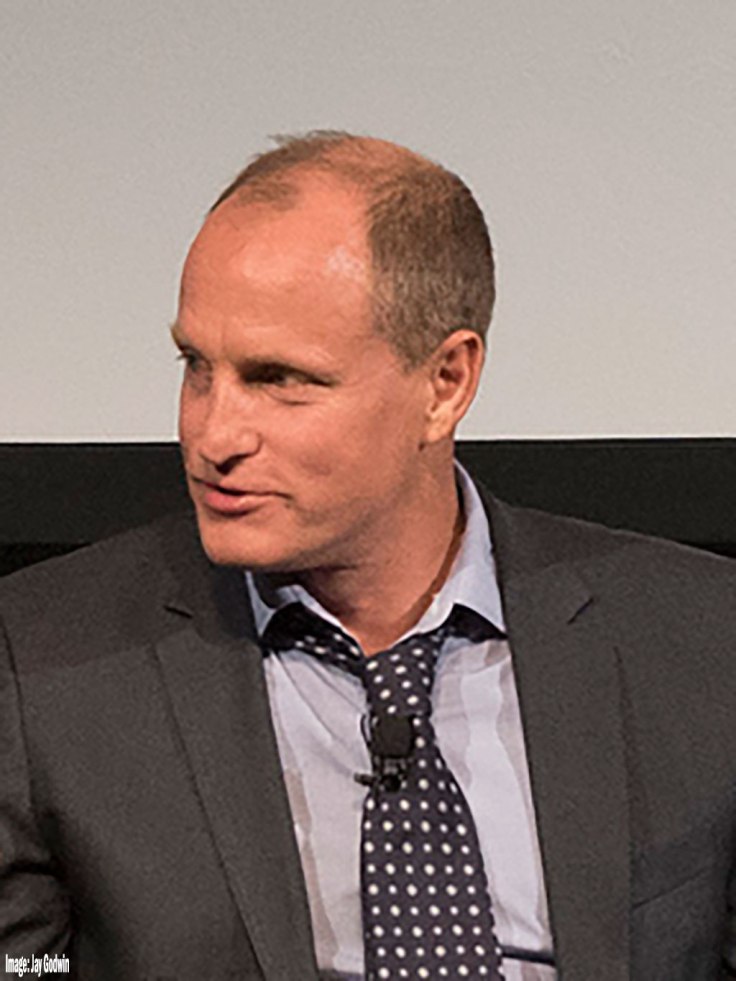
Actor and lounge owner Woody Harrelson summed up the problem in his appeal to the Governor:
“We just need a tiny little crumb and that is the ability to sell non-cannabis items in the lounge. I don’t see how that hurts anybody. Let’s please make this happen.” That was in 2024. The law passed. The need remained.
This is where NIMBYs step in. They show up to city council meetings armed with anti-cannabis hysteria, bad traffic data, and outdated crime stats. They block permits with anonymous letters and fake outrage. They threaten lawsuits. And they win. California gave every city the power to say no. Plenty of them did. Others said yes in theory, but made the process so expensive and convoluted that it might as well be a no.
Meanwhile, the lounges that do open have to comply with everything. Signage requirements. HEPA filters. Odor containment. Ventilation blueprints. Staff training plans. Public nuisance reviews. Most have to submit plans for air change rates and particulate reduction. No alcohol is allowed. No late hours. Some cities even ban amplified sound. The result is a cannabis café in name only. You can smoke, maybe, but only if you do not bother anyone, play music too loud, or exist near a residential zip code.
And yet, despite all this, underground lounges are thriving again. Private event spaces. Rooftop parties. Social clubs. Places where you pay a door fee and get access to unregulated cannabis, music, food, and community. They operate below the radar. Some are safer than legal lounges because they do not require operators to spend half their budget on regulatory overhead. They focus on the people. Not the permits. And they are growing. Because the demand never went away. The system just failed to meet it.
Cannabis chef Chris Sayegh put it bluntly:
“AB 1775 is a positive for cannabis culture overall. I hope it can help fix cannabis’s licensing and high tax problems, but there definitely will be upset license holders in West Hollywood. It’s not a game changer for the cannabis industry yet.” That is the story. A law full of promise, buried in delay.
This is not a surprise. It is a design flaw. California built a cannabis market for capital, not culture. Everything about it favors big chains, heavy compliance, and sanitized branding. The lounges were supposed to bring cannabis back into the social sphere. Instead, they became a bureaucratic maze. A legal tease. Another layer of red tape for operators already buried in taxes, audits, and security footage.
It did not have to be this way. The state could have built in clearer preemption language. It could have offered grants for small lounge development. It could have streamlined health regulations instead of creating conflict between business code and local safety ordinances. But it didn’t. So now the law is live, and nearly every city is still sitting on its hands.
That is not legalization. That is stalling. That is the same fear and control mindset that has followed weed policy since Proposition 215 passed almost thirty years ago. That mindset says cannabis is fine as long as it stays invisible. Smoke it in your home. Buy it from a permitted shop. Do not gather. Do not share. Do not treat it like anything else you can enjoy socially. Just spend your money, go home, and stay quiet.
The problem is that weed was never meant to be solitary. This plant built a global culture. It created music, friendships, movements, and spaces. The café was not just a gimmick. It was a promise. A public space. A sense of place. Somewhere to pass the joint, talk about life, and feel free for once. California killed that with fear. With the process. With NIMBY terror and bureaucratic cowardice.
So now you have a state that legalized lounges and a hundred cities that want nothing to do with them. You have owners holding licenses that they cannot activate. You have tourists asking where they can go to smoke and being pointed to their rental car. And you have officials claiming the rollout is just taking time. Meanwhile, the underground keeps building. Quietly. Honestly. Without them.
California said yes to cannabis cafés. The cities said no. And culture paid the price.
©2025 Pot Culture Magazine. All rights reserved. This content is the exclusive property of Pot Culture Magazine and may not be reproduced, distributed, or transmitted in any form or by any means without prior written permission from the publisher, except for brief quotations in critical reviews.
F O R T H E C U L T U R E B Y T H E C U L T U R E
Florida Blocked the 2026 Weed Vote
Florida’s ballot system claims to give voters power, yet the 2026 election cycle shows how procedural barriers can quietly shut the door on citizen initiatives. Signature thresholds, geographic distribution rules, and court challenges blocked every measure from reaching voters, revealing how cannabis legalization fights are often decided by bureaucratic design long before election day.

The Cannabis Lie: Vol. 4 — The Crime Wave Lie
Politicians and pundits warned that legal cannabis would unleash a crime wave. The data tell a different story. From Colorado’s violent crime trends to DOJ time-series research and statewide arrest declines, the evidence shows no consistent long-term surge tied to legalization. The numbers never matched the panic.
South Africa Legalized Weed, But Not the Market
South Africa recognized private adult cannabis use and home cultivation, but never built a legal domestic market around them. With buying and selling still largely outside the law, the illicit trade remains dominant while regulators scramble to set limits, draft rules, and prepare a broader Cannabis Bill that could finally address commerce.
Discover more from POT CULTURE MAGAZINE
Subscribe to get the latest posts sent to your email.

Leave a comment