Filed Under: Cannabis Side Effects
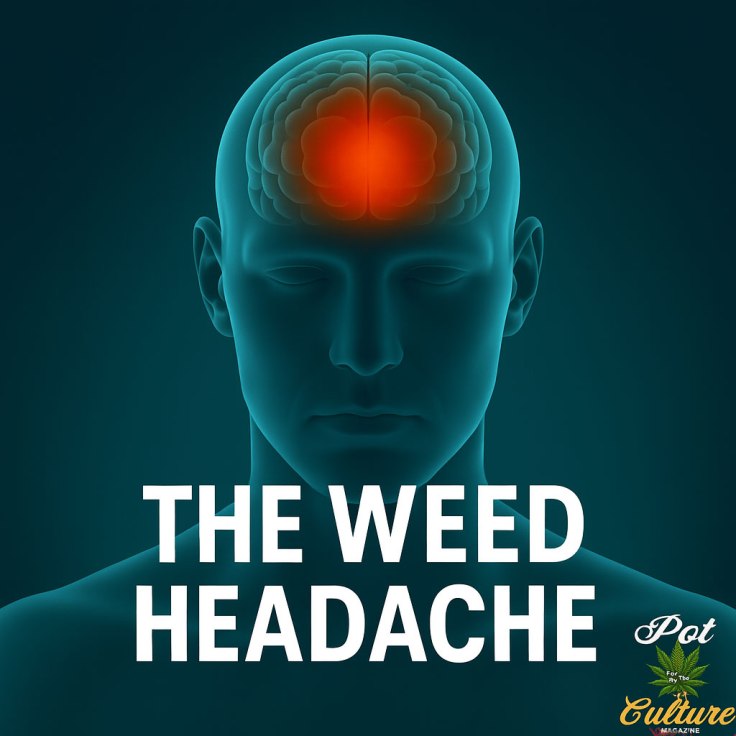
It starts as a whisper behind your eyes. By day two without a toke, that whisper becomes a pulse, and the pulse starts to climb. You snap at nothing, your sleep tanks, your appetite fades, and there it is. That headache. Low and heavy like the floor above just dropped an inch. You want to blame the screens, the weather, maybe a bad pillow. But deep down, you know exactly what’s happening. You paused your ritual, and your brain is already asking where the hell the THC went.
This is the part no one wants to say out loud. Not the brands. Not the influencers. Not even the heads who know better. Ask anyone who’s tried to take a break after years of daily use. Weed withdrawal exists. And sometimes it hits right between the eyes.
People hate that word. Withdrawal. It’s been weaponized for decades to make cannabis sound like crack. But we’re not talking about cold sweats or seizures. We’re talking about something real and quiet and uncomfortable. A chemical rebalancing. A fog that settles when the THC goes missing. You don’t see it on packaging, and it sure as hell isn’t in the commercials. But it shows up all the same.
Your endocannabinoid system is the mastermind behind the scenes. It regulates mood, stress, sleep, hunger, memory, and pain. THC doesn’t hijack it. It plugs in. And over time, with regular use, the brain adapts. Receptors downshift. The baseline shifts. Not because you’re addicted, but because your system is responding the way all systems do. It finds a rhythm, steady like a heartbeat behind the scenes. Pull the THC, and that rhythm skips, like a turntable catching static mid-spin.
This isn’t a crisis. It’s a recalibration. But it’s still a bitch.
What hits first depends on the user. For some, it’s a mood. For others, sleep disintegrates. But for a lot of daily smokers, the headache is the clearest sign that something changed. A dull weight behind the eyes. Tension across the scalp. A pull at the base of the skull. It’s not a migraine. It’s not a caffeine crash. It’s something different. A pressure that builds with every hour you stay sober.
F O R T H E C U L T U R E B Y T H E C U L T U R E

CANNABIS LIES Vol. 5: The Gateway Lie
For decades, politicians have claimed marijuana is a gateway to heroin and harder drugs. Federal youth surveys, NSDUH data, and NIDA’s own language tell a different story. Cannabis use is widespread, hard drug use remains rare, and most users do not progress. The data dismantles one of prohibition’s most durable fear narratives.

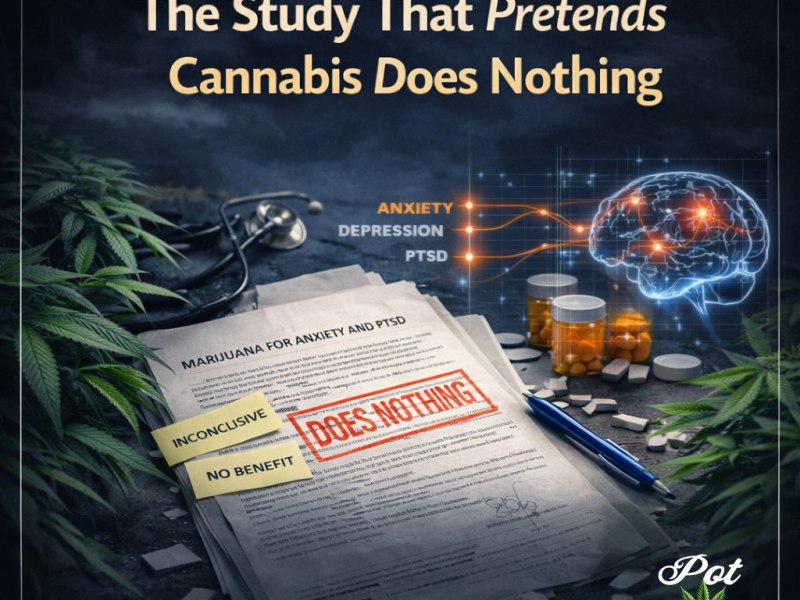
The Study That Pretends Cannabis Does Nothing
A new cannabis study claims marijuana does nothing for anxiety, depression, or PTSD. The reality is far more complicated. Decades of federal restrictions, limited research access, and synthetic substitutes have shaped the science. This breakdown exposes how incomplete data and selective interpretation continue to drive misleading headlines about cannabis and mental health.
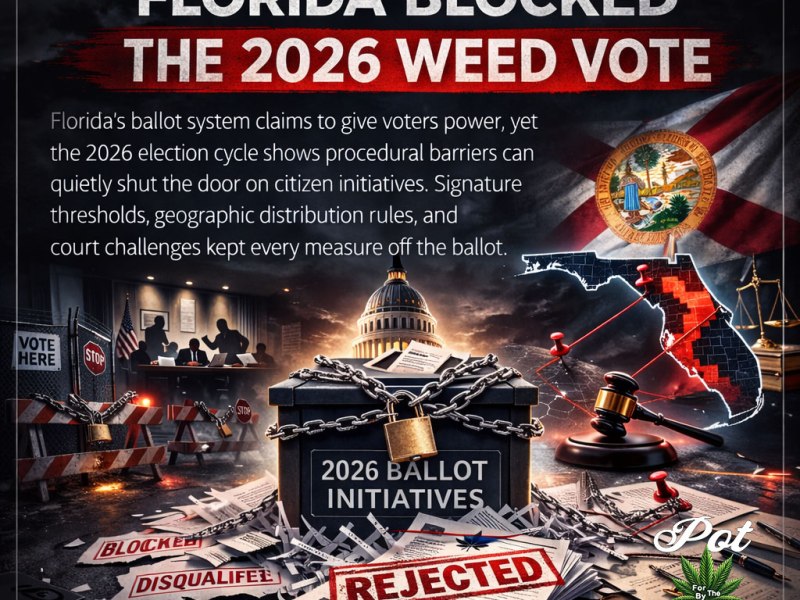
Florida Blocked the 2026 Weed Vote
Florida’s ballot system claims to give voters power, yet the 2026 election cycle shows how procedural barriers can quietly shut the door on citizen initiatives. Signature thresholds, geographic distribution rules, and court challenges blocked every measure from reaching voters, revealing how cannabis legalization fights are often decided by bureaucratic design long before election day.
No one talks about it because it doesn’t fit the fantasy. Cannabis culture spent decades defending the plant from every attack. The war on drugs made everyone paranoid. One sign of weakness, and the whole thing could collapse. So we got good at ignoring the rough edges. If something felt off, it wasn’t the weed. It was you. Drink more water. Meditate. Smoke a different strain. The idea that stopping might cause a symptom never even made it to the table.
But the research is there. Peer-reviewed. Medically logged. Quietly ignored. Studies show up to half of daily users feel withdrawal when they stop. It doesn’t make them addicts. It makes them human. The symptoms are common. Insomnia. Anxiety. Irritability. Appetite loss. Vivid dreams. And yes, headaches. Especially for users who’ve been consistent, heavy, and high-potency.
You won’t hear that from the corporate cannabis crowd. Their whole game depends on positioning weed as the ultimate soft substance. Safer than booze. Gentler than pills. Cleaner than nicotine. And for the most part, that’s true. But safe doesn’t mean symptom-free. It never has. And pretending otherwise just leaves regular users in the dark, wondering why their third day of a tolerance break feels like a hangover without the fun.
Some ride it out. Some cave and smoke again. Not because they’re desperate, but because the pressure in their skull tells them the fastest way out is the one they already know. That’s where things get messy. You stop to reset your tolerance. The headaches pull you back. The break never happens. The cycle resets. Nobody talks about it.
Here’s what works if you’re trying to break the loop. Hydrate like it’s a mission. Not coffee. Not soda. Real water. Electrolytes help, too. CBD isn’t just hype. It takes the edge off without lighting your tolerance back up. Pure CBD works for some. Full-spectrum does better for others. Magnesium at night helps with tension. So does early sunlight, omega-3s, and just giving your body a few damn days to figure itself out. If you can taper instead of quitting cold, do it. Pull back over a few days. You’ll feel it less. And it won’t hit you like a brick on day three.
Most of all, don’t double up the misery. Now is not the time to quit caffeine or overhaul your diet or throw yourself into some new hell routine. One shift at a time. Let your brain reset before you hit it with another curveball.
None of this means weed is bad. It means weed is real. It has effects. It has power. It works. And when something works, the body responds. That response doesn’t end when you put down the joint. It echoes. And sometimes the echo comes with a headache.
That’s not failure. That’s the plant leaving the room.
You can love weed and still admit it makes you feel things when it goes quiet. You can trust the culture and still call out its blind spots. You can be a lifer and still want to know how the machine works. That’s not disloyal. That’s evolved.
Let the grifters sell denial. Let the marketing teams polish every edge until it disappears, like fingerprints wiped from a crime scene. Pot Culture is not here to sell you sedation. We’re here to tell the truth, even when it comes with a price. Even when the truth is that sometimes, stopping weed feels like shit. You’re sitting there at 3 AM, scrolling your phone, trying to distract your skull from caving in on itself. You want to sleep. You want to eat. You want to stop thinking about weed. And it takes a connoisseur to ride that wave without panic or shame.
Your head hurts. That’s real. It sucks. It passes. Smoke later if you want. Or don’t. But know what you’re feeling. And know that you’re not the only one.
©2025 Pot Culture Magazine. All rights reserved. This content is the exclusive property of Pot Culture Magazine and may not be reproduced, distributed, or transmitted in any form or by any means without prior written permission from the publisher, except for brief quotations in critical reviews.
Discover more from POT CULTURE MAGAZINE
Subscribe to get the latest posts sent to your email.

Leave a comment