Filed Under: Grassroots Defiance
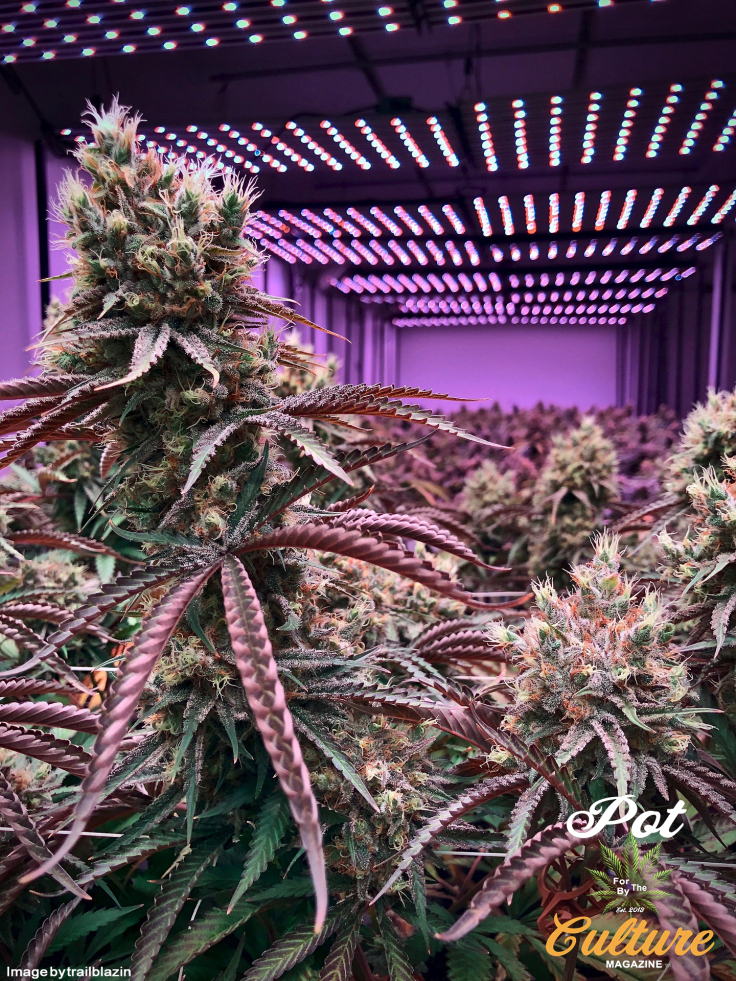
America’s cannabis market is split into two. On one side are the multistate operators, backed by billions in capital and an army of lobbyists. On the other are millions of homegrown growers quietly raising their own plants in closets, basements, and backyards.
In 2022, U.S. homegrown cultivators produced an estimated 11 million pounds of dried cannabis, according to Veriheal, grown by roughly three million Americans. These growers form a massive underground network that exists outside dispensary systems and corporate balance sheets. Their reasons vary: some grow for cost savings, others for medical needs, and many out of pride and distrust of the corporate cannabis industry.
In Michigan, the numbers tell their own story. State law allows adults 21 and older to grow up to 12 plants per household, a right written into the 2018 legalization measure. This has fueled a robust homegrown culture running parallel to the corporate market. While dispensaries grapple with oversupply and collapsing prices, June 2025 sales hit $261 million, 11% lower than last year. Homegrown producers continue to pull clean, pesticide-free flower at a fraction of retail prices. Many small-scale growers aren’t just supplementing their supply; some report growing enough to gift or trade with family and friends, a legal grey area that persists in many states.
A single harvest can yield anywhere from 8 ounces to more than 2 pounds per plant, depending on strain and conditions. With dispensary flower averaging $62 an ounce in June 2025, a six-plant grow can easily supply a household for a year, saving thousands of dollars. These savings are critical in low-income communities where dispensary prices often put cannabis out of reach.
And in states like Illinois, where retail prices still sit at $350 an ounce, the savings are even more extreme. A modest indoor setup with lights, soil, and nutrients can pay for itself in one or two cycles. For medical patients, growing their own plants is often the only way to access specific strains unavailable at dispensaries due to corporate prioritization of popular high-THC varieties.
FOR THE CULTURE BY THE CULTURE

CANNABIS LIES Vol. 5: The Gateway Lie
For decades, politicians have claimed marijuana is a gateway to heroin and harder drugs. Federal youth surveys, NSDUH data, and NIDA’s own language tell a…


The Study That Pretends Cannabis Does Nothing
A new cannabis study claims marijuana does nothing for anxiety, depression, or PTSD. The reality is far more complicated. Decades of federal restrictions, limited research…
The economics are obvious, but the culture runs deeper. Many legacy growers see home cultivation as an antidote to an industry that feels increasingly sterile. While MSOs mass-produce for scale, homegrown producers keep heirloom genetics alive and preserve biodiversity in the cannabis gene pool. Strains passed down through generations thrive in backyards and basements, resistant to the homogenization of the legal market.
That cultural divide is fueling a quiet war. In multiple states, corporate lobbyists have tried to cap or ban home cultivation, calling it a threat to tax revenue and public safety. In New York, proposed limits on homegrown plants sparked backlash from advocates who argued that restricting personal grows would hurt patients and low-income users the most. Advocates view these efforts as corporate attempts to monopolize the cannabis market and eliminate grassroots participation.
Even in states where home cultivation is legal, enforcement remains uneven. Some municipalities impose zoning restrictions or use nuisance laws to target outdoor grows, citing odor complaints or fears of theft. Others require growers to hide plants from public view, creating obstacles for those without access to private property.
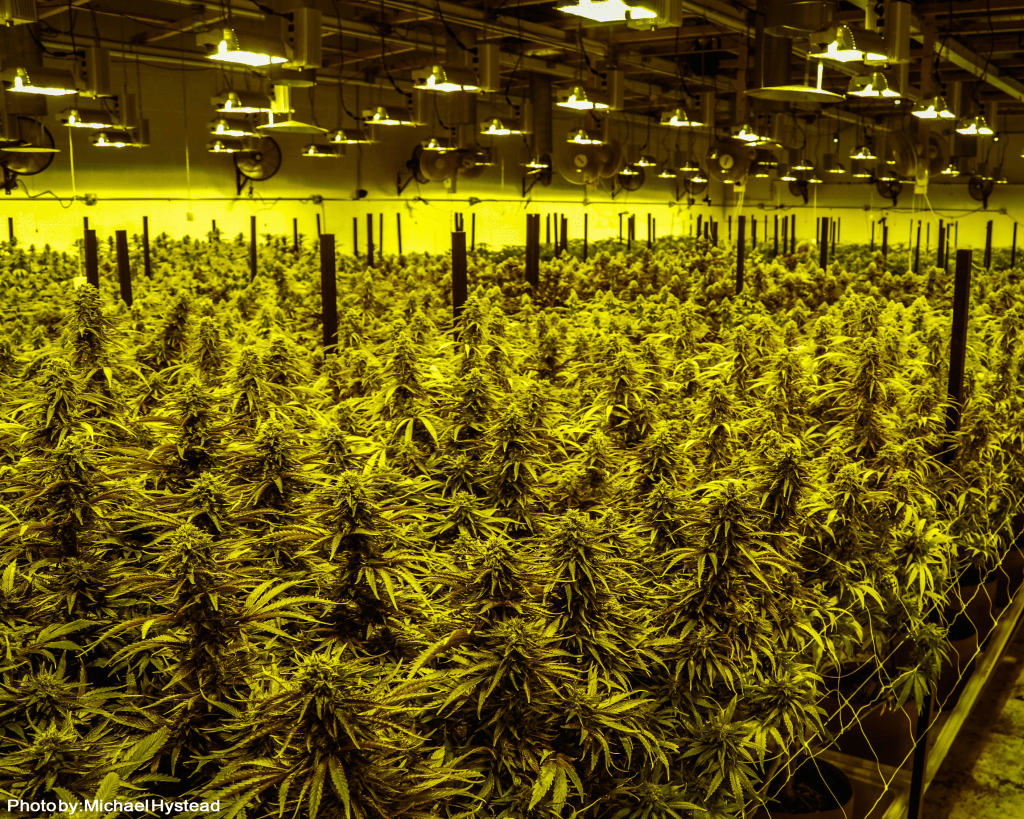
Environmental concerns add another layer to the debate. Corporate operations often rely on energy-intensive indoor facilities, while homegrown cultivation varies in sustainability. Advocates argue that small-scale growers use far less energy and resources than commercial operations. Studies show large indoor grows can consume as much energy as data centers, contributing heavily to local carbon footprints.
Homegrown cultivation is also evolving with technology. Affordable LED lighting and automated hydroponic systems (with LED grow lights reducing energy use by up to 40% compared to older tech) make it easier for new growers to produce high-quality cannabis at home without large investments or technical expertise. Online forums and local grow clubs share tips and troubleshooting advice, helping newcomers avoid mistakes.

Despite these obstacles, homegrown cultivation remains a pillar of cannabis culture. Cooperative grow networks have emerged in states with strict plant counts. In Michigan and Oregon, “caregiver” systems allow a single grower to cultivate for multiple medical patients, creating underground networks alongside licensed dispensaries.
As cannabis shifts from counterculture to commodity, homegrown growers are holding the line. They are not flashy. They are not lobbying Congress. But they are preserving something the corporate market cannot replicate: a relationship with the plant that is not about profit.
The fight over homegrown is not going away. For now, millions of Americans continue to tend their plants, save money, preserve genetics, and push back against cannabis corporatization one harvest at a time.
©2025 Pot Culture Magazine. All rights reserved. This content is the exclusive property of Pot Culture Magazine and may not be reproduced, distributed, or transmitted in any form or by any means without prior written permission from the publisher, except for brief quotations in critical reviews.
Discover more from POT CULTURE MAGAZINE
Subscribe to get the latest posts sent to your email.

Leave a comment