Filed Under: Prohibition’s Shadow
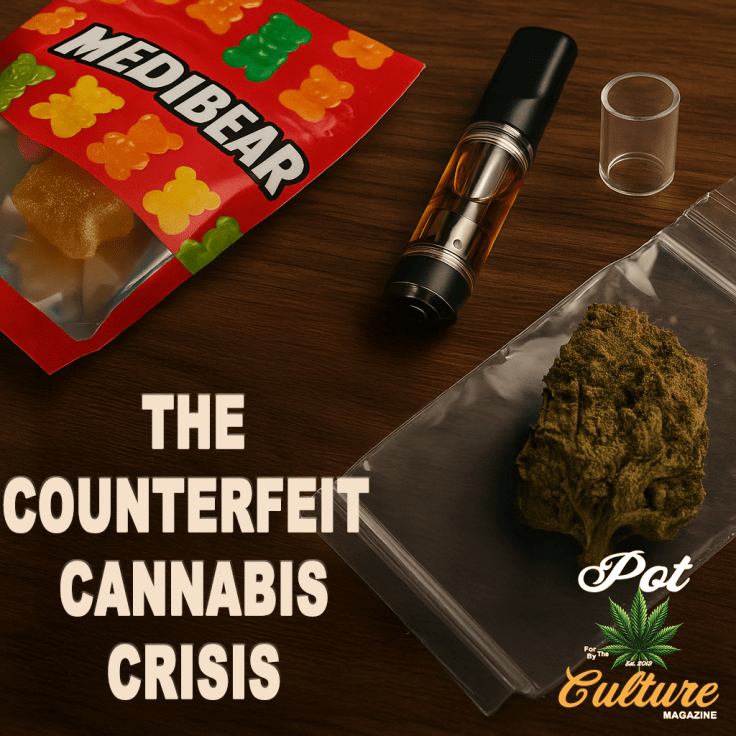
Legalization was supposed to kill the black market. Instead, it created the perfect breeding ground for it. Across America and beyond, counterfeit cannabis products are poisoning consumers and burning the culture to the ground. Bootleg THC vapes cut with toxic chemicals, cartoon-packaged edibles strong enough to put kids in the ICU, and hemp sprayed with synthetic cannabinoids are popping up everywhere.
This is not legalization. It is prohibition’s ghost wearing a glossy label and a QR code. Consumers think they are getting tested, state-approved weed. Instead, they are gambling with their health every time they hit a cart or chew a gummy.
In 2019, nearly 2,800 people were hospitalized, and 68 died from vaping counterfeit THC cartridges. The culprit was vitamin E acetate, a thick oil used by underground manufacturers to stretch cannabis oil. CDC tests found the additive in 94 percent of patient lung samples. The FDA demanded tighter controls.
Counterfeit vapes continue to flood legal and gray markets. In New York, over 1,400 unlicensed smoke shops have been reported selling vape pens that look identical to licensed products. “You cannot tell the difference. The packaging is professional, and the stickers look legitimate,” said Damian Fagon, Chief Equity Officer at New York’s Office of Cannabis Management.
California brands like Jetty Extracts and Cookies have found imitation versions of their products on New York shelves. Ron Gershoni, CEO of Jetty, confirmed that counterfeit Jetty vape products were seized in these busts.
FOR THE CULTURE BY THE CULTURE
CANNABIS LIES Vol. 5: The Gateway Lie
For decades, politicians have claimed marijuana is a gateway to heroin and harder drugs. Federal youth surveys, NSDUH data, and NIDA’s own language tell a…

The Study That Pretends Cannabis Does Nothing
A new cannabis study claims marijuana does nothing for anxiety, depression, or PTSD. The reality is far more complicated. Decades of federal restrictions, limited research…
“It’s all dirty,” said a California dispensary owner to local press after a contamination scare led to a plunge in vape sales. “Consumers don’t trust anything anymore. They see one bad headline and think the entire industry is toxic.”
The counterfeit problem does not stop at vape pens. Across the U.S., Canada, and the U.K., illicit markets are pumping out THC-laced edibles disguised as Skittles, Sour Patch Kids, and Oreos.
Mars Wrigley sued vendors over “Medicated Skittles” and “Stoney Patch Kids,” warning that these knock-offs not only violate trademarks but also lure children into danger.
Health Canada issued a national advisory after several kids ended up in ICUs from consuming “Stoneo” cookies and “Cannaburst” gummies. Some of these counterfeits are so potent that a single gummy contains multiple times the legal THC limit.
Poison control centers in the U.S. reported a significant spike in Delta-8 exposure calls between 2021 and 2022.
Fake edibles and vapes are one thing. But now even cannabis flower is being counterfeited. In Brooklyn, NYC sheriffs raided a shop running an in-house packaging factory. Workers were printing glossy bags with fake California farm logos, filling them with hemp flower sprayed with Delta-8 and unknown chemicals.
“People aren’t smoking cannabis anymore. They’re smoking chemicals,” said NYC Sheriff Anthony Miranda at a press conference following the bust.
Delta-8 products have been flagged repeatedly by the FDA, which has stated they “have not been evaluated or approved for safe use in any context.” Between 2020 and 2022, the FDA logged over 100 adverse event reports tied to Delta-8, and poison control centers reported more than 2,300 exposure cases.
The counterfeit crisis has been supercharged by online platforms. Amazon claims to ban THC products, but a 2024 study found 11 percent of “hemp” items for sale contained illegal levels of THC. One jar of gummies tested at over 3,000 milligrams total.
Etsy has also been criticized for hosting sellers offering “infused” cookies and homemade gummies. Instagram and Snapchat are littered with dealers pushing fake vapes and edibles directly to teens.
In 2025, the Department of Justice dismantled a Washington state trafficking ring using Snapchat and Instagram to advertise marijuana, unregulated edibles, and fake prescription pills. Even after the ringleader’s accounts were shut down, he jumped to new platforms and kept selling.
Counterfeit cannabis is not just dangerous. It is undermining everything legalization promised.
“This isn’t legalization. It’s a regulation that criminalizes culture while leaving loopholes for counterfeiters,” said Maria Lopez, a Humboldt County grower, in an interview with local media.
“Counterfeits mean lost legal sales and destroyed reputations for brands that actually do it right,” said cannabis attorney Elliot Choi during a cannabis law symposium.
Legalization promised safety. Instead, it created a marketplace where bootleggers thrive and consumers pay the price. Regulators are asleep. Corporations are complicit.
Until states shut down the counterfeits and consumers demand accountability, every vape, gummy, or flower you buy outside a licensed shop is a gamble.
Because when the product is fake, the high might be your last.
©2025 Pot Culture Magazine. All rights reserved. This content is the exclusive property of Pot Culture Magazine and may not be reproduced, distributed, or transmitted in any form or by any means without prior written permission from the publisher, except for brief quotations in critical reviews.
Discover more from POT CULTURE MAGAZINE
Subscribe to get the latest posts sent to your email.

Leave a comment