File Under: Sacred Cannabis Architects

Steve Hager never set out to be just another editor. He wanted to create a movement, to turn a chaotic drug tabloid into a counterculture beacon. From the streets of New York to smoke-filled rooms in Amsterdam, Hager built High Times into a temple for cannabis culture and gave it a soul that still haunts the industry.
“Cannabis is a sacrament. Treat it with the respect it deserves.” – Steve Hager
By 1986, High Times was spiraling. Cocaine stories dominated the covers. Circulation was falling. The counterculture magazine that Tom Forçade had built was losing its edge. That same year, Hager joined the staff. Within two years, he took over as editor in chief and began pulling the magazine back from the brink.
He purged the hard drug content. Heroin and cocaine were out. Marijuana and psychedelics were in. Hager wasn’t just making an editorial shift. He was sending a message. High Times would no longer glorify the substances wrecking communities. It would become a platform for cannabis, spiritual exploration, and political resistance.
Circulation climbed back toward its former highs. The Reagan era DEA put High Times on its radar, even threatening staff with prosecution. When federal agents tried to target the magazine for publishing cannabis cultivation guides, a judge shut them down on First Amendment grounds. Hager and his team kept publishing.
In 1988, Hager traveled to Amsterdam and launched the first Cannabis Cup. It started small with four entries, a rented room, and a handful of judges. By the late 1990s, thousands were flying to the Netherlands every Thanksgiving for the event.
Hager infused the Cup with ceremony. He introduced 4:20 gatherings, daily meditations, and discussions about cannabis spirituality. He saw marijuana as more than a substance. It was a sacrament.
The term 420 had existed in California subculture for years, but it was Hager who brought it to a global audience. In 1991, he published the story in High Times, cementing April 20 as an international holiday for cannabis culture.
Hager launched the Freedom Fighters, a national pro-hemp activist group, in 1988. Members dressed in Colonial American costumes and staged public rallies. The Boston Freedom Rally became one of the largest cannabis events in the country, drawing more than 100,000 people.
He hired Jim “Chef Ra” Wilson to write Psychedelic Kitchen, a column that ran for over fifteen years and helped popularize cannabis cooking. He created the Counterculture Hall of Fame in 1997 to honor pioneers like Jack Herer and Bob Marley.
Hager even investigated the JFK assassination, earning praise from DA Jim Garrison for an article that challenged the official story.
I have spent my life preserving and protecting the counterculture from co-optation.” – Steve Hager
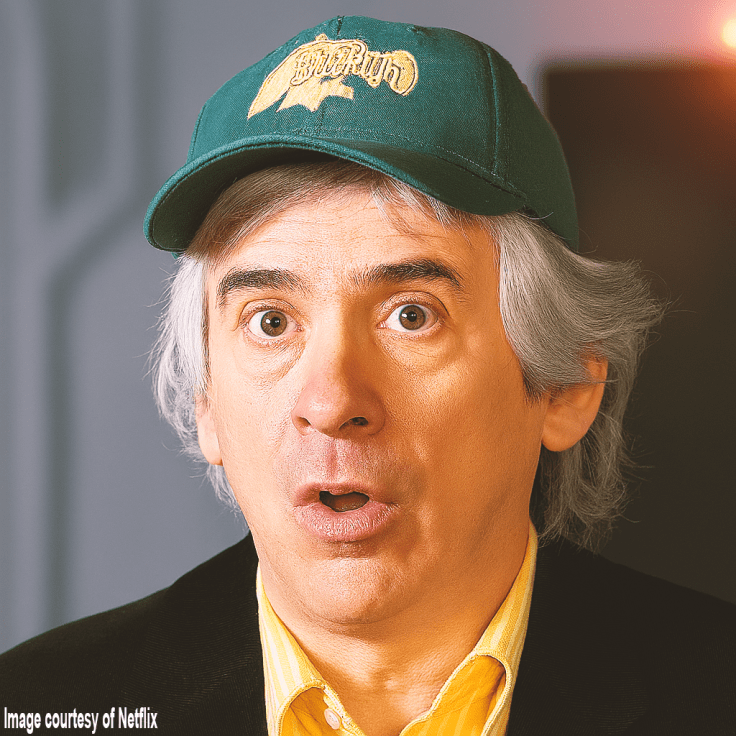
Hager rejected the idea of cannabis as a mere consumer product. He urged users to approach the plant with respect. To him, cannabis wasn’t just part of the culture. It was the culture.
In the mid-1990s, High Times went through internal upheaval. Staff factions clashed over the magazine’s direction. Hager was briefly ousted and reinstated. By 2003, he was fired again when new management tried to reposition the magazine away from cannabis and toward a broader cultural audience. Readers revolted. In 2005, a cover announced The Buds Are Back.
Hager returned as editor in chief in 2006. He helped grow the magazine’s website traffic and expanded Cannabis Cup events into U.S. states where marijuana was becoming legal. But tensions with corporate leadership persisted. By 2013, Hager was out for good.
He later sued High Times and won. The company was forced to pay him all the money he was owed, cover his legal fees, and return his seized video archives along with the rights to exploit them. It was a complete victory for Hager, though it was never covered by mainstream media.
Steve Hager didn’t just edit a magazine. He reshaped the cannabis movement. He gave it rituals, history, and a voice. The Cannabis Cup, the Freedom Fighters, 420, the fight against prohibition, these were his creations.
Modern cannabis media often glosses over that history. But every April 20 gathering, every Cannabis Cup knockoff, and every article about marijuana as a healing plant carries his fingerprints.
Hager fought for a culture that was raw, spiritual, and unapologetic. He turned cannabis into more than a product. He turned it into a creed.
Learn more about Steve Hager’s life, work, and counterculture legacy at The Tin Whistle.
©2025 Pot Culture Magazine. All rights reserved. This content is the exclusive property of Pot Culture Magazine and may not be reproduced, distributed, or transmitted in any form or by any means without prior written permission from the publisher, except for brief quotations in critical reviews.
Discover more from POT CULTURE MAGAZINE
Subscribe to get the latest posts sent to your email.
