Filed Under: Thank You for Your Service, Now Suffer

Veterans fought for a country that came home and fought them back. They carried rifles into oil wars, came home with shattered bodies and minds, and were handed bottles of opioids as a thank-you. For decades, cannabis was off-limits at the Department of Veterans Affairs. Now, the VA is allowing doctors to talk about it. Not recommend it. Not prescribe it. Just talk.
“This is not a victory. This is a breadcrumb.” That’s how Nick Etten, a former Navy SEAL and founder of the Veterans Cannabis Project, described the VA’s new guidance. Etten has been pushing for change for nearly a decade. He says this policy comes far too late for too many.
The VA’s updated rules let physicians and clinical staff discuss cannabis use with veterans and record those conversations in medical charts without fear of administrative retaliation. But make no mistake, VA doctors still cannot write medical marijuana recommendations. Veterans still cannot get cannabis through the VA system. The plant remains a Schedule I drug under federal law, lumped in with heroin.
For veterans like Sean Kiernan, founder of the Weed for Warriors Project, this isn’t progress. Kiernan, who has struggled with PTSD and suicidal ideation, has spoken publicly about how cannabis saved his life when VA medications failed him. “We’re losing more veterans to suicide than combat. The VA finally talking about cannabis is the smallest of steps,” he said.
The numbers are impossible to ignore. Veteran suicide rates have hovered at more than twenty deaths a day for years. A 2023 study in Frontiers in Psychiatry found that veterans with PTSD who used cannabis reported a fifty percent reduction in symptoms compared to those who did not. Another University of Michigan study in 2022 concluded that cannabis can replace opioids for chronic pain, with fewer side effects and no risk of fatal overdose.
The science isn’t new. The American Legion began lobbying Congress in 2014 to allow VA doctors to recommend medical cannabis. Lawmakers buried the proposals. Federal agencies wrapped themselves in red tape. Meanwhile, opioids flooded veteran communities, and overdose deaths stacked up.
FOR THE CULTURE BY THE CULTURE
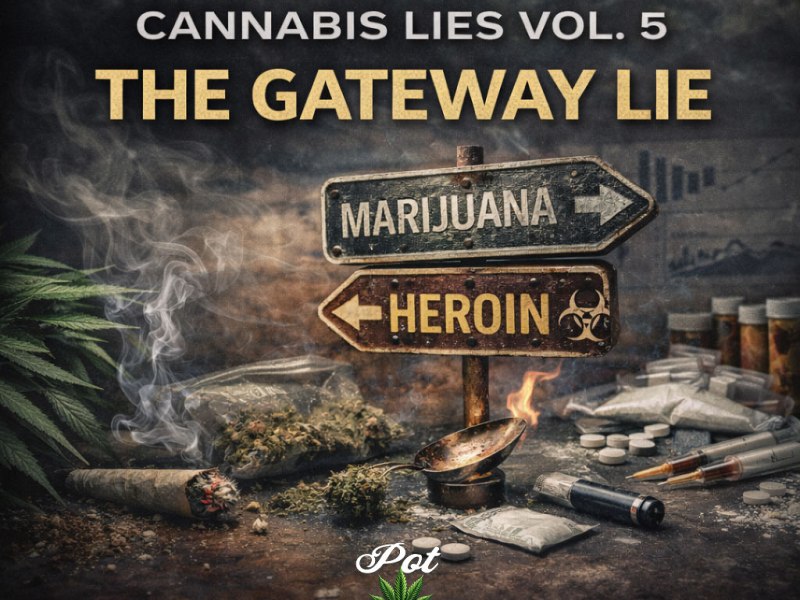
CANNABIS LIES Vol. 5: The Gateway Lie
For decades, politicians have claimed marijuana is a gateway to heroin and harder drugs. Federal youth surveys, NSDUH data, and NIDA’s own language tell a different story. Cannabis use is…

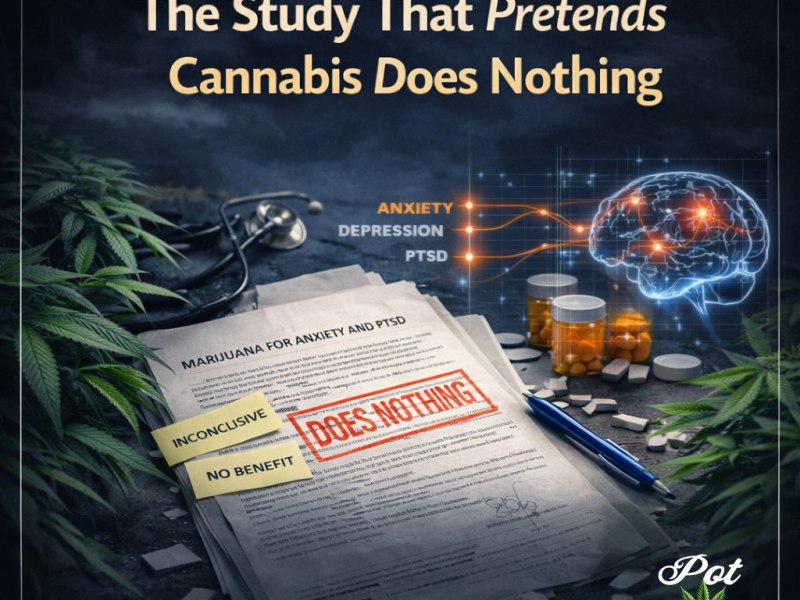
The Study That Pretends Cannabis Does Nothing
A new cannabis study claims marijuana does nothing for anxiety, depression, or PTSD. The reality is far more complicated. Decades of federal restrictions, limited research access, and synthetic substitutes have…
“They used us for their wars and abandoned us when we came home needing help,” said Mike Whiter, a Marine Corps veteran and prominent cannabis advocate in Pennsylvania. Whiter was prescribed thirteen different pills a day for PTSD and chronic pain before turning to cannabis. “The VA told me weed was dangerous, then handed me a bottle of OxyContin.”
The hypocrisy is thick. While the VA demonized cannabis, thirty-eight states legalized medical marijuana, and private companies flooded the market. Veterans in those states had to go outside the VA system, pay out of pocket, and risk losing benefits to get relief.
In 2024, Congress introduced the Veterans Medical Marijuana Safe Harbor Act. It would have allowed VA doctors to recommend cannabis and protected veterans from prosecution. It died in committee like so many others.
“How many more studies do they need? How many more funerals?” asked Kiernan.
The VA’s latest move feels more like a public relations stunt than real progress. It lets doctors “counsel” veterans on cannabis use and warn about possible risks, but offers no meaningful access. The Controlled Substances Act remains the ultimate chokehold.
“The federal government created this trap,” said Dr. Sue Sisley, a researcher and longtime advocate for veteran cannabis access.
“They say there’s not enough research to prove cannabis works, but they block funding for the research. Meanwhile, veterans suffer and die while they debate semantics.”
For most veterans, cannabis is not about getting high. It is about sleeping through the night without flashbacks. It is about quieting the pain without opioids. It is about staying alive. Decades of VA silence pushed veterans underground. They bought unregulated products, risked arrest, and lived in fear of losing benefits. Now the VA wants credit for finally allowing a conversation.
“This isn’t victory,” Kiernan said. “It’s like someone handed you a glass of water after leaving you in the desert for ten years.”
Real change will only come if cannabis is rescheduled or removed from the Controlled Substances Act. Even then, veterans fear that corporate cannabis giants will price them out of the very medicine they fought to legalize.
Cannabis was supposed to be medicine. Instead, it became contraband. Veterans fought for freedom overseas. Now they are fighting for the freedom to heal at home. The VA’s move is too little, too late. It is not enough.
©2025 Pot Culture Magazine. All rights reserved. This content is the exclusive property of Pot Culture Magazine and may not be reproduced, distributed, or transmitted in any form or by any means without prior written permission from the publisher, except for brief quotations in critical reviews
Discover more from POT CULTURE MAGAZINE
Subscribe to get the latest posts sent to your email.

Leave a comment