Filed Under: Psycho Killer

Denver has a new boogeyman. A slickly produced documentary making the rounds in Colorado claims high-potency cannabis is driving a wave of psychosis among young people. The message is clear: THC is no longer just weed; it is a public health threat. The city’s policymakers and media have latched onto this framing, selling it to a public still divided on how far cannabis legalization should go. It feels familiar because it is. This is Reefer Madness 3.0, rebranded with modern health rhetoric and served to a society hungry for someone or something to blame.
The documentary stakes its credibility on interviews with people whose lives unraveled in the wake of cannabis use, spinning stories of anxiety, paranoia, hallucinations, and in some cases, hospitalizations. Viewers are left with the impression that cannabis flips a switch in the brain and opens a door to schizophrenia and psychosis. But the reality is far more complex. Decades of scientific studies suggest a correlation between cannabis use and psychosis in vulnerable individuals. They do not prove causation. And that distinction matters.
Most studies that link cannabis to psychosis do so through surveys and observational data, not controlled trials. They often fail to account for critical factors like genetics, pre-existing mental illness, trauma history, poverty, and concurrent substance use. Researchers acknowledge that people with a predisposition to psychosis may use cannabis more frequently, sometimes as an attempt at self-medication. That nuance rarely makes it into public discourse. Fear is a simpler sell.
The Denver narrative relies on that simplicity. It paints high-THC products as inherently dangerous, but it ignores the larger ecosystem of prohibitionist policies and the cultural stigma that created them. THC concentrates exist partly because cannabis prohibition incentivized smaller, more potent products that were easier to transport and conceal. The same policymakers who once supported criminalizing cannabis now position themselves as public health crusaders, warning of the dangers they helped create.
FOR THE CULTURE BY THE CULTURE
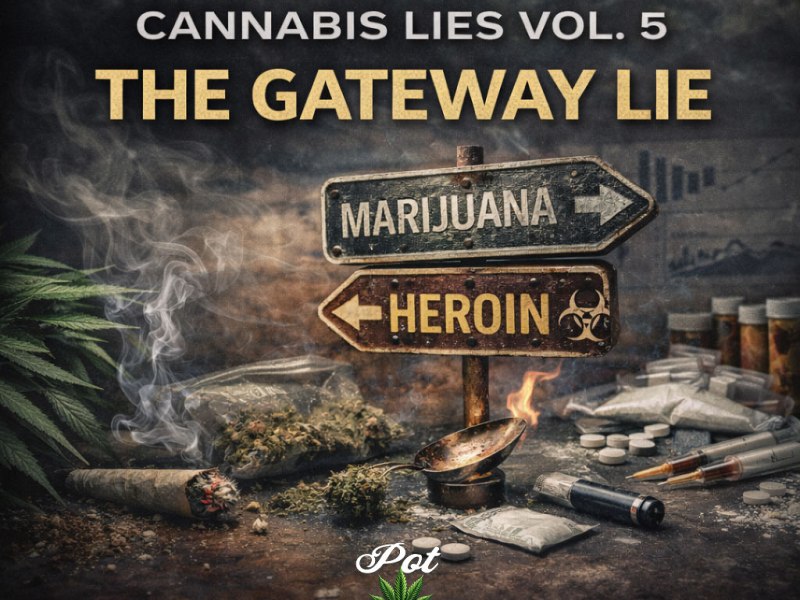
CANNABIS LIES Vol. 5: The Gateway Lie
For decades, politicians have claimed marijuana is a gateway to heroin and harder drugs. Federal youth surveys, NSDUH data, and NIDA’s own language tell a different story. Cannabis use is…

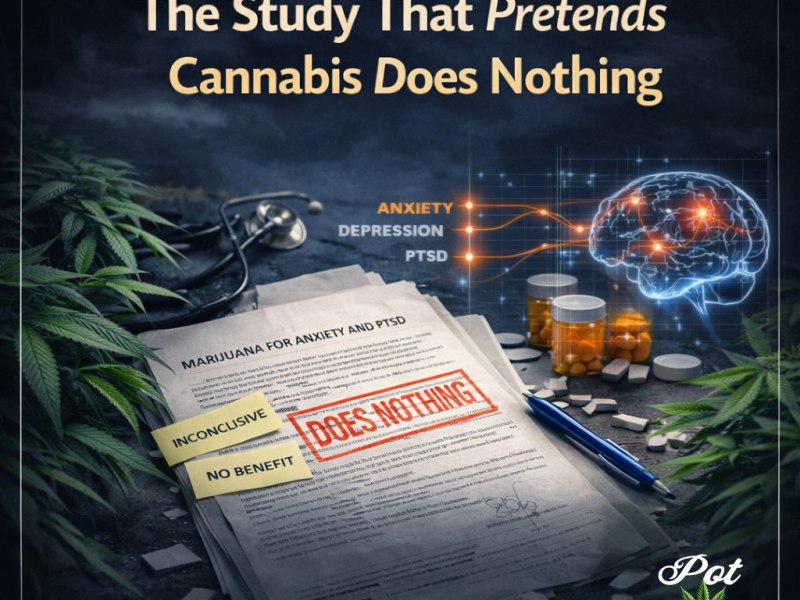
The Study That Pretends Cannabis Does Nothing
A new cannabis study claims marijuana does nothing for anxiety, depression, or PTSD. The reality is far more complicated. Decades of federal restrictions, limited research access, and synthetic substitutes have…
Longitudinal studies like the Dunedin Multidisciplinary Health and Development Study have observed a slight association between heavy adolescent cannabis use and later psychotic episodes in vulnerable individuals. However, even the researchers behind those studies caution against overgeneralization. A 2019 review in The Lancet Psychiatry concluded that “population-level increases in cannabis potency have not led to proportional increases in schizophrenia or psychosis rates.” If cannabis were driving psychosis epidemics, we would see it by now. We do not.
The media, however, thrives on headlines that suggest otherwise. When a study finds even the weakest statistical connection, the press amplifies it as definitive proof of harm. The recent documentary follows that blueprint. It leverages fear, anecdotes, and half-truths to shape public perception. News anchors and columnists regurgitate its claims uncritically. Policymakers cite them in hearings. Police chiefs use them to justify crackdowns on dispensaries and public consumption.
There is a pipeline for this kind of moral panic. First comes a sensational claim, dressed up in scientific language. Then, a wave of local media coverage fails to interrogate the methodology or funding sources behind the research. Soon, the narrative hardens into conventional wisdom. Parents panic. Lawmakers act. Prohibition survives another news cycle.
Cannabis-induced psychosis is not a myth, but it is not the crisis Denver’s documentary makes it out to be, either. Most users will never experience psychosis. The small subset of people who do are often those already at risk due to other factors. In a legal, regulated market, education, and harm reduction are far more effective than fear campaigns. But fear serves a purpose for those invested in maintaining control.
This is not the first time cannabis has been painted as a psychological time bomb. The Gateway Drug myth of the 1980s, the DEA’s Just Say No campaigns and even the recent pivot to “THC addiction” all share the same DNA. Frame weed as a public health crisis, and you get moral cover for prohibitionist policies. It worked in the past, and Denver’s new documentary suggests the playbook has not changed.
The cultural cost of these narratives is steep. Fear-based messaging reinforces stereotypes about cannabis users: lazy, unmotivated, and mentally unstable. These stereotypes disproportionately harm marginalized communities. Young Black and Latino men are still more likely to be arrested and institutionalized for cannabis-related offenses, even in legal states like Colorado. The same stigma that drove mass incarceration during the War on Drugs now shapes how cannabis users are treated in schools, workplaces, and hospitals.
Pharmaceutical companies benefit from this fear, too. Cannabis is a threat to their business model. Medical marijuana provides alternatives to painkillers, sleep aids, mood stabilizers, and anti-nausea drugs. By funding studies that question cannabis safety while investing in synthetic cannabinoid patents, Big Pharma gets to demonize the plant and sell its lab-made version later.
Cannabis is not harmless. No serious advocate claims otherwise, but the Denver narrative is not about harm reduction. It is about fear. It is about propping up an old system that depends on public ignorance. This is not research. It is a strategy.
Pot Culture Magazine calls it straight. Science is not neutral. It is shaped by who funds it, who frames it, and who profits from its conclusions. If you follow the money, the story writes itself
©2025 Pot Culture Magazine. All rights reserved. This content is the exclusive property of Pot Culture Magazine and may not be reproduced, distributed, or transmitted in any form or by any means without prior written permission from the publisher, except for brief quotations in critical reviews.
Discover more from POT CULTURE MAGAZINE
Subscribe to get the latest posts sent to your email.

Leave a comment