Filed Under: Everyone’s a Critic, Especially When They’re Paid to Be
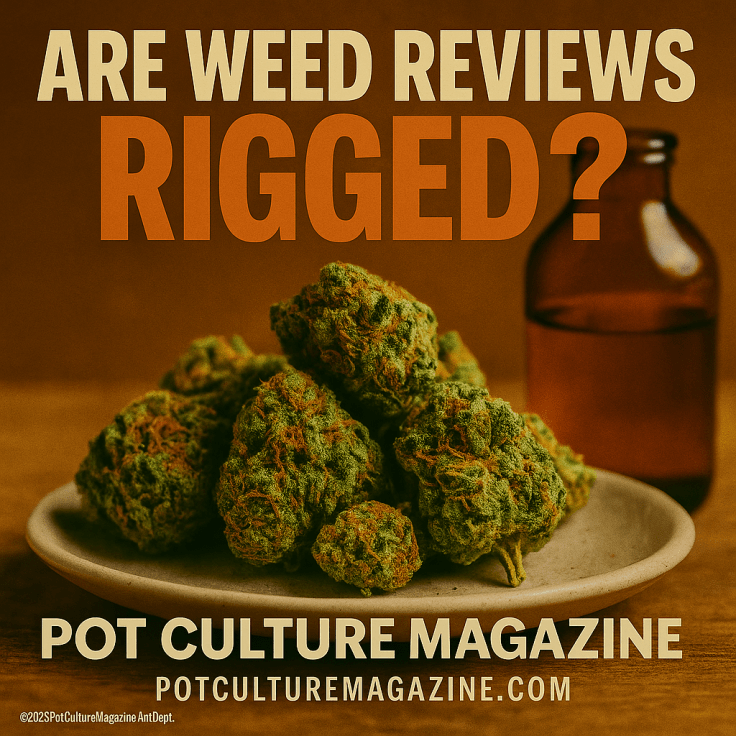
Strain reviews have become the gospel of dispensary culture. They’re what people check before they buy, what budtenders push to close a sale, and what brands wave around like a trophy. But anyone paying attention can see the game’s been cooked. The ratings aren’t honest; they’re strategic.
Dispensaries figured out early how to rig the scoreboard. If a house strain isn’t moving, they put it on “limited release,” jack up the THC number, and whisper to influencers that it’s fire. Next thing you know, it’s trending, not because it’s good, but because it was placed. Scarcity becomes marketing, hype becomes fact. Meanwhile, the real smokers know half the five-star strains are dry, harsh, and taste like wet cardboard.
Online review platforms aren’t helping. Leafly, Weedmaps, and the rest pretend to be neutral, but they’re anything but. Many take ad money directly from the brands they rank. Some build entire partnerships with companies whose products magically end up top-rated. It’s not a leaderboard, it’s a storefront. The louder the money, the better the score.
Brands are known to shop their samples around to labs that consistently “test hot,” meaning inflated THC numbers with no real oversight. In 2021, California regulators suspended multiple labs for manipulating results, but a lot of that flower still hit shelves with five-star ratings and zero accountability.
Look into the user reviews and you’ll find a different story. People said the effects were weak, that the flower didn’t match the profile, and that the same strain smoked better six months ago. And they’re right. Most branded weed isn’t grown with consistency. The stuff in stores now isn’t always the same as what got reviewed. But that doesn’t matter in a system designed to reward marketing over quality.
You’re more likely to see a THC percentage than a terpene chart. Actual lab transparency is rare, and nobody’s policing the numbers. The entire setup caters to the casual buyer who equates potency with quality and never questions why every strain somehow tests at 33 percent.
The best flower in the country isn’t getting rated. It’s not showing up on top ten lists. It’s coming from small-batch growers who aren’t paying to play. Some of them don’t even have a logo. They’re running old cuts, dialed in for flavor and effect, not shelf appeal. You’ll never see their work at the top of the apps because they’re not feeding the machine.
The entire review economy is built for consumers who don’t know better. That’s who the inflated THC numbers are for. That’s who the frosty bud pics are meant to fool. It’s not about weed, it’s about branding. Style over smoke, flash over feel. And if you don’t know someone, you’re stuck chasing a high that was never there to begin with.
Trust your nose. Trust your plug. Trust the person who smoked it, not the site that sold it. The best weed doesn’t come with five stars, it comes with a warning to keep your mouth shut and a lighter that won’t stop clicking.
© 2025 Pot Culture Magazine. All rights reserved. This content is the exclusive property of Pot Culture Magazine and may not be reproduced, distributed, or transmitted in any form or by any means without prior written permission from the publisher, except for brief quotations in critical reviews.
Discover more from POT CULTURE MAGAZINE
Subscribe to get the latest posts sent to your email.

Leave a comment