Filed Under: Smoke Signals and Soul Ties
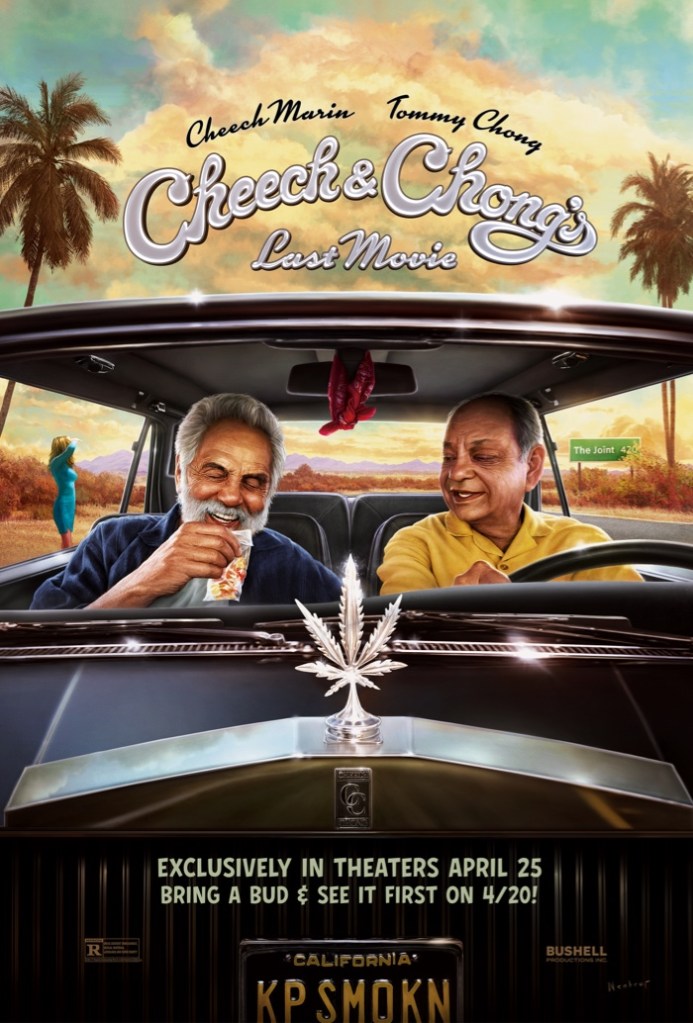
There’s a moment at the start of Cheech and Chong’s Last Movie that feels like flipping open a time capsule and finding your old VHS copy of Up in Smoke still rewound to the best part. The familiar tune, “Lost Due to Incompetence (Theme for a Big Green Van)” rolls in, and suddenly you’re back in the big green van. The screen fills with smoke, your memory kicks in, and you remember why these two guys meant so much to so many. They weren’t just comedians. They were a counterculture coping mechanism.

The film opens like a reunion, but not the cheap kind. This is older stoner energy. The kind where you still want to stir up some shit, but you also don’t want to throw your back out. That’s the beauty of this documentary. It knows where it came from, but it also knows how much has changed. What follows is a weird, wonderful, and at times painful road trip through the lives and legacies of Cheech Marin and Tommy Chong. It’s not just a recap. It’s a reckoning.
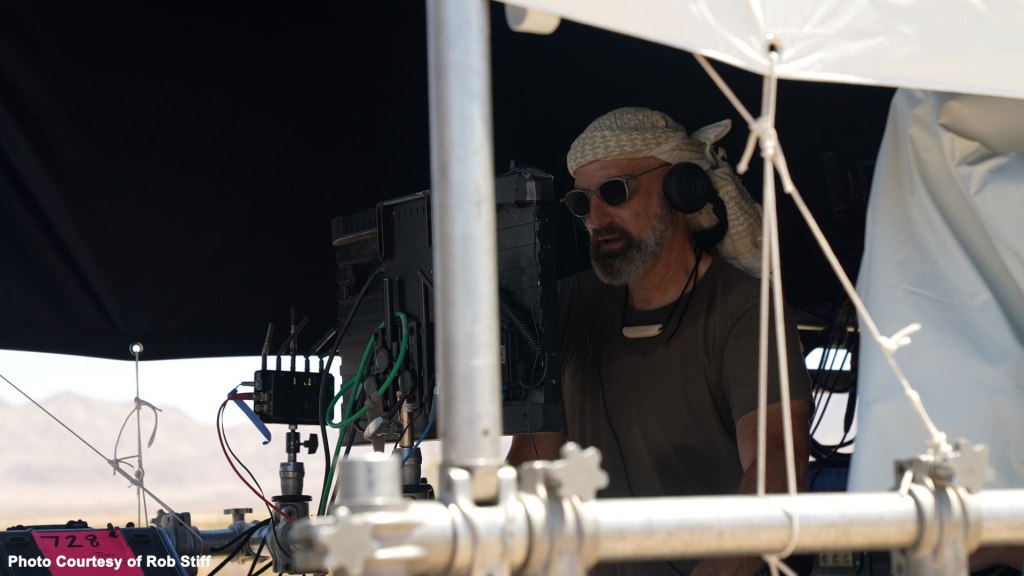
Director Dave Bushell had no interest in making a standard clip-show documentary. His approach is intelligent, playful, and grounded in emotional truth. There are no talking heads. No celebrity fan testimonials. Just Cheech and Chong, telling their story in their own words, stitched together with archival footage, desert interludes, and surreal animation that feels like it wandered in from the cutting room floor of Fear and Loathing in Las Vegas. And it works. It works because the weirdness feels earned.
The animation never gets in the way. Instead, it becomes a visual language that bridges memory and myth. It makes room for things that couldn’t be filmed, or shouldn’t have been. It gives the film an edge without ever veering into gimmick. A gag involving Tommy’s wife, Maxine, lands perfectly, a blink-and-you-miss-it moment that somehow says more than five minutes of exposition ever could.

But what really sets the film apart is its emotional core. The audience sees the things we never saw on stage or on screen. Cheech talking about his father. Tommy remembers racism and rejection. The two men were sitting in silence, saying everything by saying nothing. On camera, Tommy was always the blissed-out hippie, laughing at his own foggy logic. In real life, he’s more intense, more calculating, more complicated. Cheech, on the other hand, comes off as the younger brother still fighting to be heard, even after decades of success.
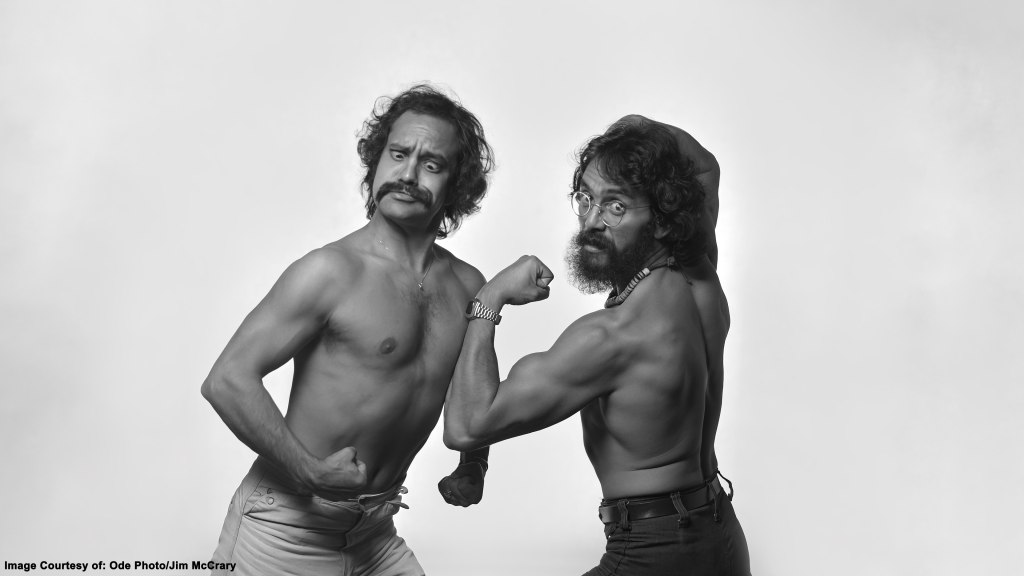
The film doesn’t force a fake reconciliation. It doesn’t tie everything up with a ribbon. It just sits with the reality that love and resentment often share the same seat in the van. When Cheech says they’re not friends but brothers, you believe him. Because brothers carry the same weight. They just drag it in different directions.

Bushell lets all of this unfold at its own pace. No scene overstays. No moment feels rushed. It is tight, deliberate, and deeply human. And by the end, you’re not left with a nostalgia high. You’re left with something heavier, but more honest. You’re left with the truth that this culture, this plant, this bond between fools and philosophers, has been here a long time and is not going anywhere.
Whether you are a first-time toker, a lifer, or someone who had to walk away from the smoke for your own reasons, this film reminds you that cannabis culture is not just about the weed. It’s about the people, the laughter, and the long nights spent trying to make sense of a world that rarely does. Cheech and Chong are still here. Still weird. Still real. And still, the guys you call on when life gets a little too serious.

Read our original feature on the film from February for more cultural context.
© 2025 Pot Culture Magazine. All rights reserved. This content is the exclusive property of Pot Culture Magazine and may not be reproduced, distributed, or transmitted in any form or by any means without prior written permission from the publisher, except for brief quotations in critical reviews.
Discover more from POT CULTURE MAGAZINE
Subscribe to get the latest posts sent to your email.
