Filed Under: Punk & Pot, Dolls & Dissent, Loud & Lit
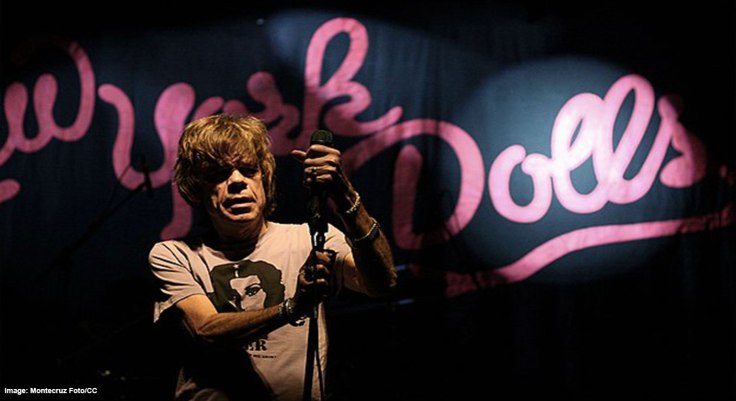
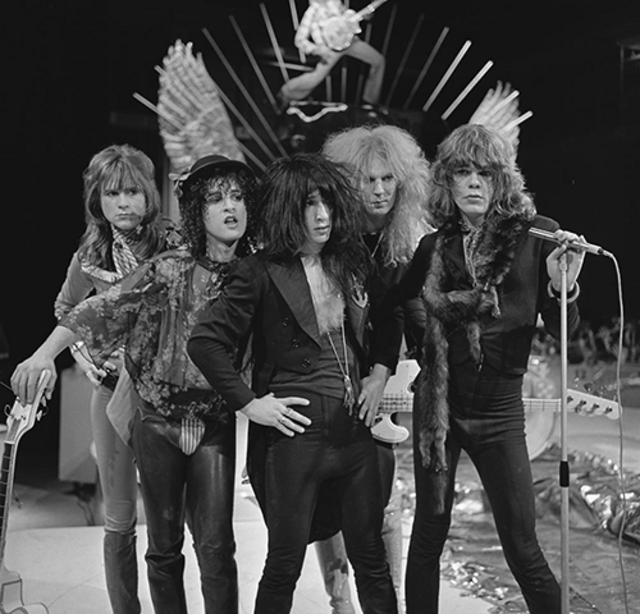
David Johansen was a rock ‘n’ roll chameleon, a walking contradiction, and a relic of a time when music was raw, dangerous, and teetering on the edge of total collapse. The New York Dolls weren’t just a band; they were an explosion—a riot dressed in high heels and lipstick, a middle finger to every convention that mainstream America held sacred. Their influence birthed punk rock, but unlike their imitators, they weren’t trying to be cool. They simply were—messy, loud, and reckless. And in that chaos, amidst the hard drugs and the neon sleaze of 1970s New York, cannabis existed on the periphery, a constant but often overshadowed part of the scene.
The New York Dolls, Dana Beal & The Cannabis Underground
The Dolls weren’t a political band, but their mere existence was an act of defiance. They were playing dress-up with gender norms before the punks figured out what rebellion was, and their first-ever gig was a benefit concert for Dana Beal, one of the most notorious marijuana activists of the era. Beal, a Yippie and the mastermind behind the pro-cannabis movement in NYC was facing legal troubles, and the Dolls played a set to raise funds for his defense.
This wasn’t just a one-off moment; it was a snapshot of the world the Dolls inhabited. The Lower East Side was a swirling cocktail of heroin, speed, and dirty needles, but weed remained the common ground. It was the drug of the radicals, the artists, and the weirdos who lurked in the back alleys of CBGB, where the band played to anyone who could handle their unhinged energy.
Cannabis vs. The Hard Stuff: A Scene Consumed
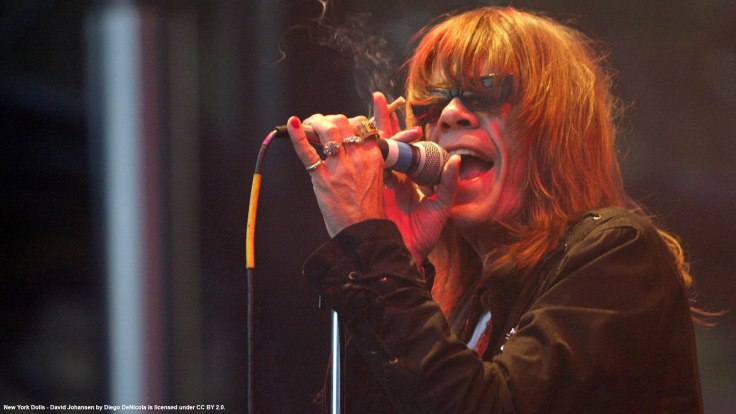
Johansen himself wasn’t a loud and proud cannabis advocate, but that was par for the course in a scene that was devouring itself. Heroin and amphetamines were the drugs of choice for much of the punk world. Johansen’s bandmate, Johnny Thunders, became the tragic poster child of the heroin epidemic, following a path paved with track marks and inevitable self-destruction. The Dolls imploded, as bands of that era tended to do, but Johansen refused to become another casualty of rock’s most notorious drug. He pivoted, survived, and outlived the scene that made him.
“Could legal weed have saved Thunders? Could it have saved Dee Dee Ramone? Sid Vicious? Would punk rock’s body count have been lower if cannabis had been an embraced off-ramp instead of a criminalized afterthought?”
The tragic irony is that, at the time, cannabis was treated as an enemy of the state while heroin poured into the city like a death sentence in liquid form. The War on Drugs was in full force, but it was never a war on the real problem.
What Would Johansen Think of Today’s Weed Industry?
Flash forward to 2025: Johansen is gone, but his city is unrecognizable. The same New York that arrested people for a joint in the ’70s now has luxury cannabis dispensaries on every corner, selling designer weed to Wall Street types who would have called the cops on a New York Dolls fan back in the day.
Would Johansen have seen legal weed as a victory, or just another piece of counterculture being repackaged and sold back to the masses?
For a guy who lived multiple lives—punk rock frontman, Buster Poindexter lounge singer, underground legend—his take on modern weed culture would have been worth hearing. Would he have rolled with it, embracing the evolution of rebellion, or dismissed it as another piece of commodified counterculture, like CBGB turning into a John Varvatos store?
The Legacy: Rebellion, Weed, and the Spirit of the Dolls
Johansen may not have been a cannabis crusader, but he was rebellion incarnate. The same spirit that fueled the New York Dolls—the refusal to conform, the rejection of authority, the raw, unfiltered chaos—is the same energy that pushed cannabis from the underground to the mainstream. The Dolls never fit in, and neither did the marijuana movement. Both were outsiders, outcasts, and unwelcome in polite society.
David Johansen leaves a legacy of defiance, anthems for the beautifully wasted, and a roadmap for the next generation of rock ‘n’ roll misfits. And whether or not he was a fan of the herb, one thing is certain—
“The world he came from, the world the Dolls screamed into existence, is gone. The question is, did we win the fight, or just sell out the revolution?”
© 2025 Pot Culture Magazine. All rights reserved. This content is the exclusive property of Pot Culture Magazine and may not be reproduced, distributed, or transmitted in any form or by any means without prior written permission from the publisher, except for brief quotations in critical reviews.
Discover more from POT CULTURE MAGAZINE
Subscribe to get the latest posts sent to your email.

Leave a comment