Filed Under: When Your Weed Is More Toxic Than Your Ex
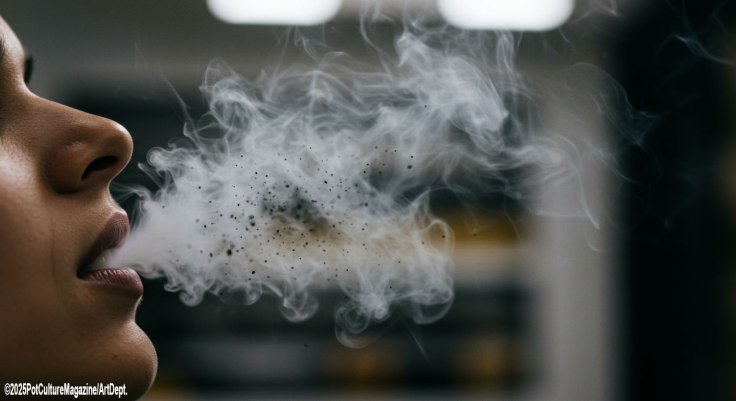
Contaminated cannabis isn’t just some one-off problem; it’s an industry-wide issue that isn’t being talked about enough. The idea behind legalization was supposed to be about safer, regulated access, but what happens when the “regulated” weed is still full of pesticides, mold, and heavy metals? The truth is that testing standards are all over the place, and some states barely check for contamination at all. Meanwhile, shady labs are playing the system, companies are cutting corners to boost profits, and dispensaries are still selling bad batches with barely a slap on the wrist. The industry wanted legitimacy, so where the hell is the accountability?
Cannabis testing needs a massive overhaul. The biggest issue is the lack of consistency. Some states have strict safety requirements, and others are practically running on the honor system. There’s no universal baseline for what’s safe, which is why some dispensaries are caught selling weed with illegal levels of pesticides or mold and still manage to stay in business. If cannabis is supposed to be a legitimate, regulated product, testing should be just as rigorous as it is for food and medicine. This means mandatory screenings for pesticides, bacteria, heavy metals, and mold across the board.
Consumers are also being kept in the dark. Most people assume dispensary weed is safe because it’s legal, but testing information is often buried, confusing, or straight-up unavailable. Lab results known as COAs (Certificates of Analysis) should be easy to access and clearly displayed on every product. A simple QR code on the packaging that links to real test results would solve this instantly, no bullshit, no “trust us, it’s clean” excuses. Brands that go beyond the bare minimum and voluntarily test for extra safety should be the ones getting rewarded, not the ones dodging regulations.
HELP POT CULTURE MAGAZINE STAY ALIVE, AND INDEPENDENT
It doesn’t help that the cannabis industry is full of lab shopping, where brands jump from one testing lab to another to find someone willing to “adjust” results. Some labs inflate THC numbers to make weak weed look stronger, while others underreport mold and pesticide levels so batches don’t get rejected. It’s a pay-to-play system that’s screwing over consumers. If companies are going to claim “clean” products, independent, randomized verification needs to be mandatory to keep the system honest.
If the regulators won’t fix this, consumers have to force change. That starts with asking questions. If a dispensary can’t or won’t show lab results, that’s a huge red flag. Support brands that actually care about safety instead of cutting corners to maximize profits. If you ever get sick after smoking something, report it. State regulators rely on consumer complaints to investigate and issue recalls.
For people who want full control over their cannabis, home growing is still the best option where it’s legal. No pesticides, no shady labs, just weed, you know, is safe. It takes time and effort, but it bypasses every weak link in the system.
None of this gets better without smarter federal cannabis reform. Right now, legalization is a messy patchwork of different rules that let bad products slip through the cracks. A federal baseline for testing and recalls would stop companies from hiding behind weak state laws. If cannabis is going to be treated as a legitimate industry, it needs legitimate consumer protections.
Cannabis should heal, not harm. The industry wanted legalization; now it’s time to step up and do it right. Consumers hold the power, and if the industry won’t regulate itself, people need to demand better or walk away from the brands cutting corners. Until every dispensary sells genuinely clean, safe cannabis, no one should assume their weed is as harmless as it claims to be. It’s not about fear, it’s about knowing what’s in your product and refusing to settle for anything less than safe.
© 2025 Pot Culture Magazine. All rights reserved. This content is the exclusive property of Pot Culture Magazine and may not be reproduced, distributed, or transmitted in any form or by any means without prior written permission from the publisher, except for brief quotations in critical reviews.
F O R T H E C U L T U R E B Y T H E C U L T U R E
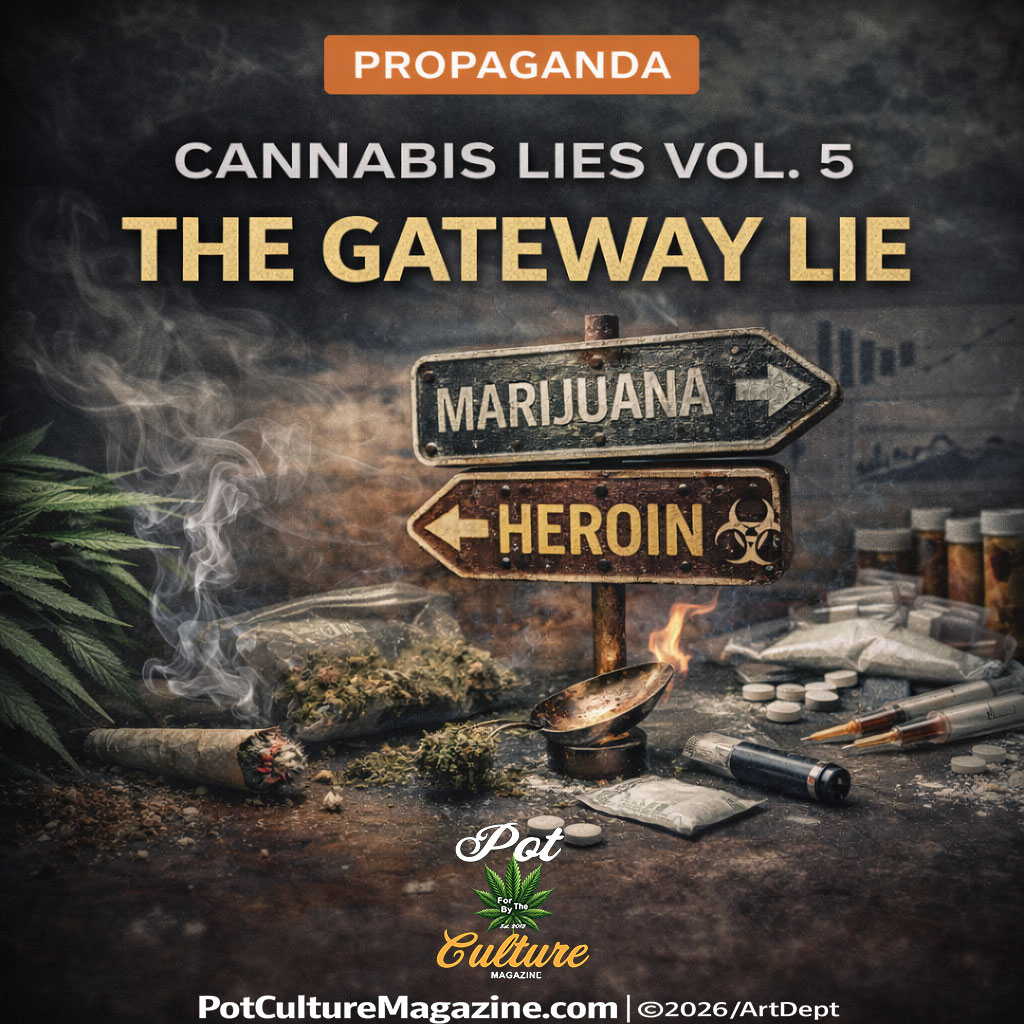
CANNABIS LIES Vol. 5: The Gateway Lie
For decades, politicians have claimed marijuana is a gateway to heroin and harder drugs. Federal youth surveys, NSDUH data, and NIDA’s own language tell a different story. Cannabis use is widespread, hard drug use remains rare, and most users do not progress. The data dismantles one of prohibition’s most durable fear narratives.

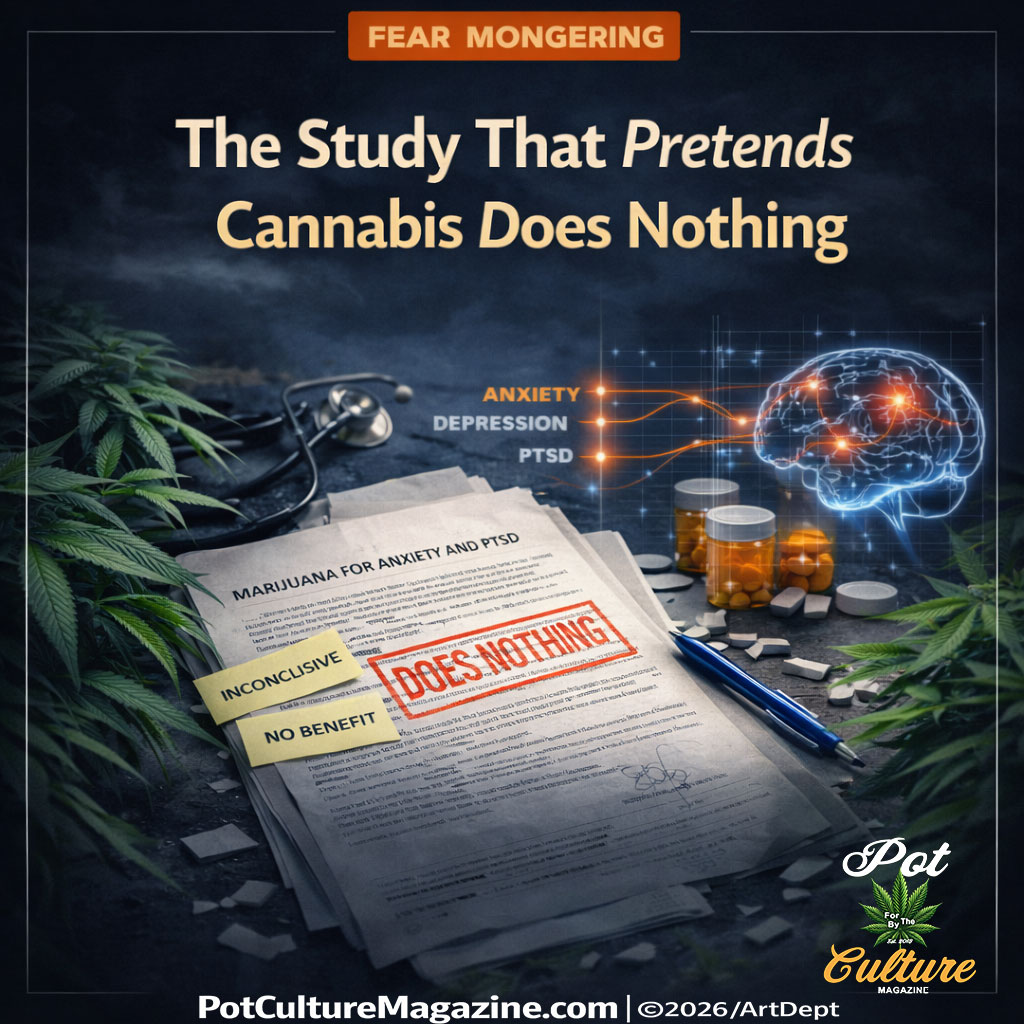
The Study That Pretends Cannabis Does Nothing
A new cannabis study claims marijuana does nothing for anxiety, depression, or PTSD. The reality is far more complicated. Decades of federal restrictions, limited research access, and synthetic substitutes have shaped the science. This breakdown exposes how incomplete data and selective interpretation continue to drive misleading headlines about cannabis and mental health.
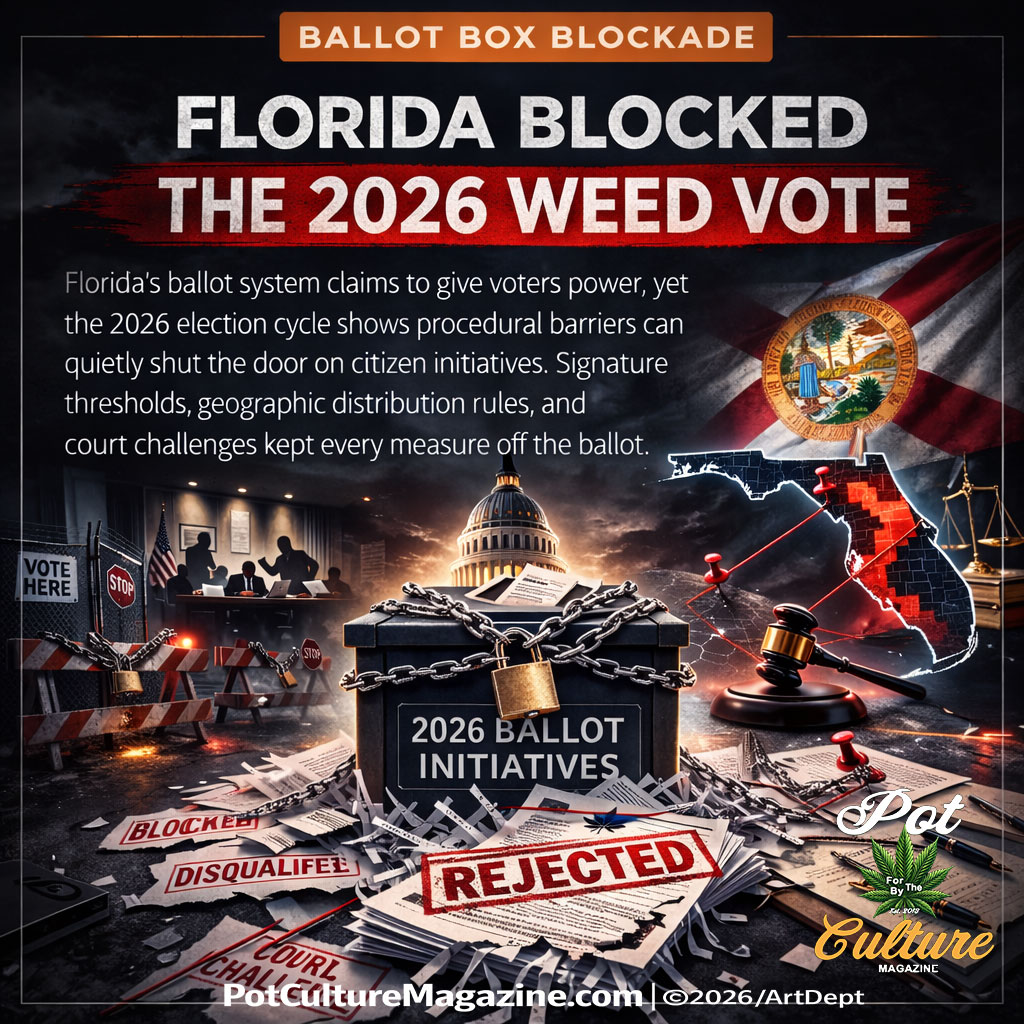
Florida Blocked the 2026 Weed Vote
Florida’s ballot system claims to give voters power, yet the 2026 election cycle shows how procedural barriers can quietly shut the door on citizen initiatives. Signature thresholds, geographic distribution rules, and court challenges blocked every measure from reaching voters, revealing how cannabis legalization fights are often decided by bureaucratic design long before election day.
Discover more from POT CULTURE MAGAZINE
Subscribe to get the latest posts sent to your email.

Leave a comment