–Accountability in Cannabis–
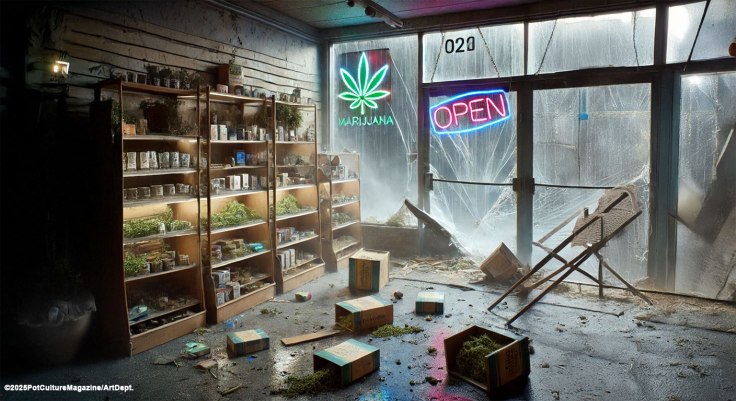
When you pay for cannabis, whether from a dispensary or your usual hookup, you expect decent quality. But what happens when extreme weather throws a wrench in the supply chain? Floods, storms—suddenly you’re stuck with weed that’s dry and crumbly. Should you still pay full price? Let’s break it down and figure out who’s really accountable.
Let’s start with dispensaries. These are supposed to be the gold standard, the place where you can count on getting “safe, high-quality weed.” But what happens when the weed they sell is dry, brittle, and practically crumbling? Sure, storms and floods might mess with the supply chain, but does that mean the customer has to eat the cost? Dispensaries are quick to boast about their lab testing and airtight standards, so where’s the accountability when those standards slip? Transparency should be part of the deal—let customers know what they’re buying and why it might not be perfect. Maybe that means offering a discount or tossing in a freebie to soften the blow. Ignoring the issue isn’t going to win any loyalty points.
Then there’s the black market. No taxes, no regulations, no frills. You might think you’re paying less, but lately, that’s not always the case. In some areas, black market prices are nearly on par with dispensaries—about $120 for a half ounce. And while storms might flood a crop or stall deliveries, don’t expect a dealer to tell you the whole story. You might still end up with a sack of crispy, dried-out buds and zero recourse. That’s the trade-off. If you’re okay with taking the risk, then fine, but don’t expect any guarantees.
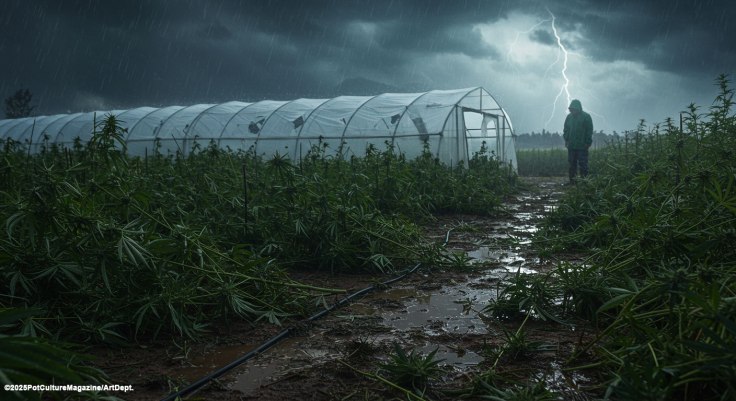
Here’s the reality: severe weather hits both legal and illegal markets. It can destroy crops, disrupt transport, and screw up storage conditions. For dispensaries, this is where transparency and customer service come into play. If the product is dry because it sat in a truck too long during a snowstorm, tell the customer. Offer a discount or at least acknowledge the issue. For the black market, well, it’s a free-for-all. If you’re buying there, you already know you’re not getting lab-tested perfection, so don’t act surprised when the quality isn’t top-notch.
So what should you do as a consumer? Start by being informed. Ask questions at your dispensary. When was the weed harvested? How was it stored? If you’re getting vague answers, maybe it’s time to take your business elsewhere. And if you’re shopping on the black market, well, good luck—you’re on your own. But no matter where you’re buying, don’t settle for subpar weed without calling it out. Your money matters, and so does the quality of the product.
This is a two-way street. Dispensaries need to step up their game and own up to supply chain issues when they happen. Customers, on the other hand, need to hold businesses accountable. If we let bad weed slide, we’re just encouraging more of the same. Let’s demand better—because whether it’s $20 or $200, your cannabis should be worth it.
© 2025 Pot Culture Magazine. All rights reserved. This content is the exclusive property of Pot Culture Magazine and may not be reproduced, distributed, or transmitted in any form or by any means without prior written permission from the publisher, except for brief quotations in critical reviews.
Discover more from POT CULTURE MAGAZINE
Subscribe to get the latest posts sent to your email.

Leave a comment