
The intersection of medical marijuana use and employment rights presents a tangled web of legislation and attitudes, with laws differing wildly across states, countries, and continents. For employees trying to balance medication and their livelihoods and employers grappling with unclear policies, it’s a world full of contradictions, compromises, and occasional absurdity.
In the U.S., 38 states have legalized medical marijuana as of 2025, but don’t let that fool you into thinking you’re safe from workplace discrimination. Employment protections vary drastically, and in some places, they might as well not exist.
California leads the pack with protections that actually matter. Starting in 2024, employers can no longer discriminate against employees for off-duty cannabis use. No more snooping about whether you’ve dabbled a few dabs after work. New York and Connecticut also have solid protections, barring employers from penalizing workers for legal medical marijuana use. Even Nevada, while not requiring accommodations on the job, prohibits firing someone just for holding a medical card.
Then there are places like Florida, where protections are flimsy at best. A proposed bill aimed at protecting government employees from cannabis-related penalties is still making the rounds. Meanwhile, Illinois pretends to have your back but lets employers enforce zero-tolerance policies and discipline workers for violations, even if you’re holding a valid prescription.
If you’re expecting Louisiana to make sense, you’re new here. The state decriminalized marijuana paraphernalia possession and expanded medical access by allowing nurse practitioners to recommend cannabis. But when it comes to employment protections, the conversation pretty much ends there. Smoke weed, get fired, that’s the Louisiana way. Employers retain carte blanche to enforce drug-free workplace policies, even if you’re taking doctor-prescribed cannabis for a legitimate condition.
HELP POT CULTURE MAGAZINE STAY ALIVE, AND INDEPENDENT
In Canada, medical marijuana has been federally legal since 2001, and recreational use since 2018. Employment protections are tied to human rights laws, meaning employees with valid medical cannabis prescriptions can expect reasonable accommodations. However, don’t get too comfortable; accommodations don’t extend to roles that could endanger safety, like operating heavy machinery. Employers also retain the right to enforce impairment policies, which can lead to conflict if your definition of “impaired” doesn’t match theirs.
Europe offers a mixed bag of approaches to medical marijuana and workplace rights. In the UK, employees with valid prescriptions are protected under the Equality Act 2010. Employers must make reasonable accommodations, but enforcement can vary depending on the industry. Germany, despite legalizing medical cannabis, leaves employees vulnerable to strict workplace drug policies, especially in high-risk roles. Meanwhile, the Netherlands, often romanticized as cannabis-friendly, doesn’t offer much in terms of workplace protections. You’re free to medicate, but good luck convincing your boss that it won’t affect your productivity.
With cannabis legalization expanding, we may see federal guidelines emerge to standardize employment protections, though don’t hold your breath. States like California are already setting the tone, but the rest of the country has a lot of catching up to do. On the tech front, AI-based drug tests that can differentiate between active impairment and residual THC in your system could change the game, making it harder for employers to use outdated testing as a weapon against medical users.
Globally, countries like Germany are eyeing changes to their policies, potentially paving the way for better accommodations. But until then, the cannabis workplace landscape will likely remain a patchwork of contradictions, challenges, and unintentional comedy.
Let’s be real: some of these policies sound like they were written by people who just discovered Reefer Madness. Florida still doesn’t know what it wants, Illinois gives lip service to protections while leaving loopholes big enough to drive a bong shop through, and Louisiana? Well, Louisiana is just being Louisiana. Meanwhile, Canada and California are starting to look like the overachievers of the class, while Europe seems content with its “figure it out as you go” attitude.
If you’re a medical marijuana user, here’s the takeaway: know your local laws. Ignorance isn’t bliss; it’s unemployment. Read up on your state or country’s regulations, and don’t be afraid to have an open, honest conversation with your employer if you’re in a position to do so. Resources like Americans for Safe Access (ASA), the European Coalition for Just and Effective Drug Policies (ENCOD), and national advocacy groups can provide guidance on your rights.
The workplace may be evolving, but it’s not there yet. Until policies catch up with the reality of cannabis use, it’s up to employees to stay informed and push for better protections because nobody should have to choose between their health and their paycheck.
© 2025 Pot Culture Magazine. All rights reserved. This content is the exclusive property of Pot Culture Magazine and may not be reproduced, distributed, or transmitted in any form or by any means without prior written permission from the publisher, except for brief quotations in critical reviews.
F O R T H E C U L T U R E B Y T H E C U L T U R E
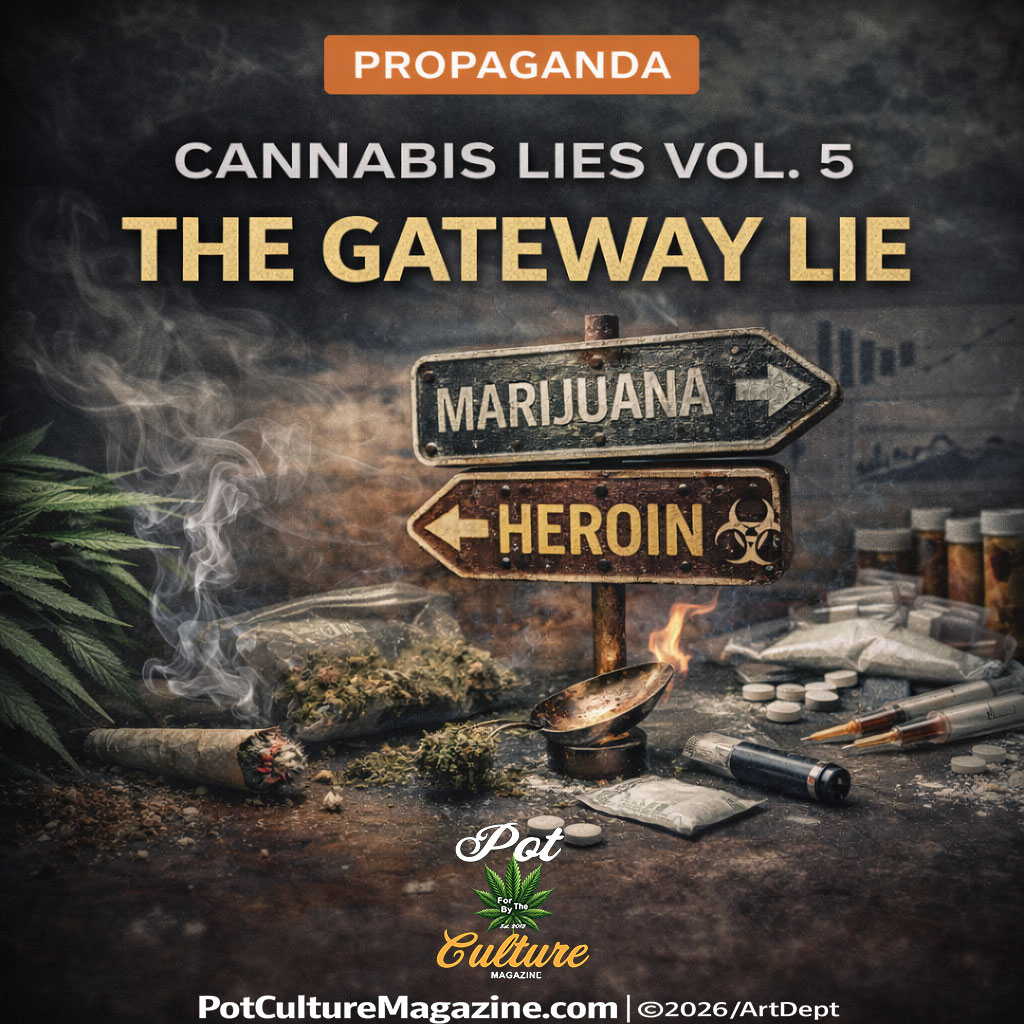
CANNABIS LIES Vol. 5: The Gateway Lie
For decades, politicians have claimed marijuana is a gateway to heroin and harder drugs. Federal youth surveys, NSDUH data, and NIDA’s own language tell a different story. Cannabis use is widespread, hard drug use remains rare, and most users do not progress. The data dismantles one of prohibition’s most durable fear narratives.

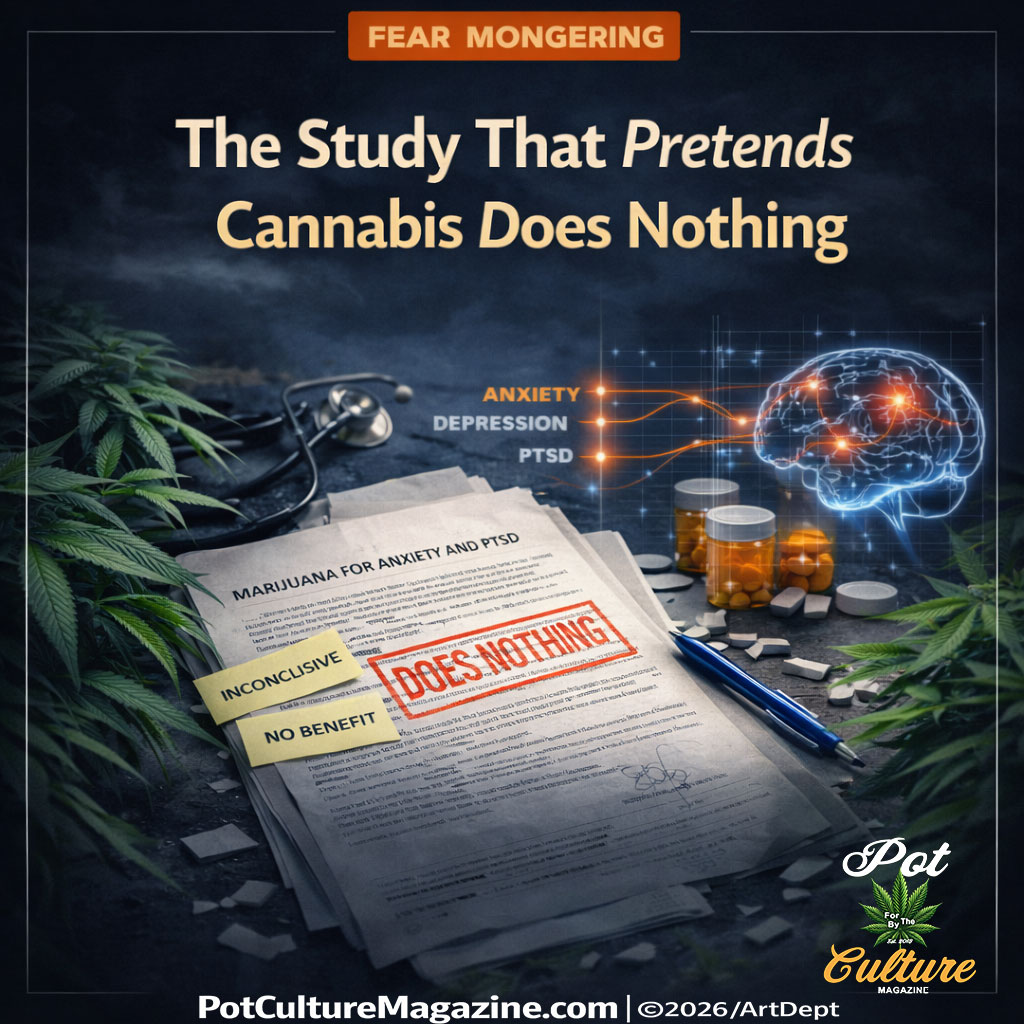
The Study That Pretends Cannabis Does Nothing
A new cannabis study claims marijuana does nothing for anxiety, depression, or PTSD. The reality is far more complicated. Decades of federal restrictions, limited research access, and synthetic substitutes have shaped the science. This breakdown exposes how incomplete data and selective interpretation continue to drive misleading headlines about cannabis and mental health.
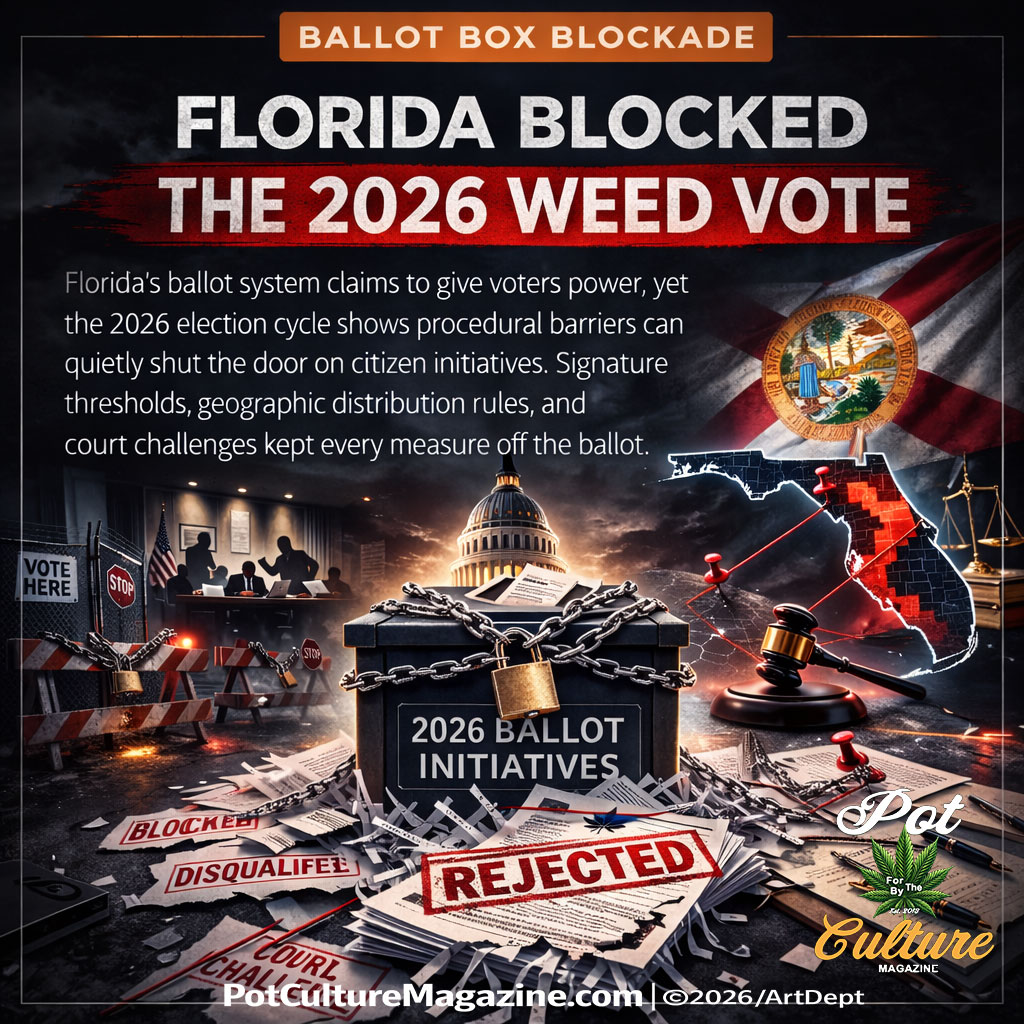
Florida Blocked the 2026 Weed Vote
Florida’s ballot system claims to give voters power, yet the 2026 election cycle shows how procedural barriers can quietly shut the door on citizen initiatives. Signature thresholds, geographic distribution rules, and court challenges blocked every measure from reaching voters, revealing how cannabis legalization fights are often decided by bureaucratic design long before election day.
Discover more from POT CULTURE MAGAZINE
Subscribe to get the latest posts sent to your email.

Leave a comment