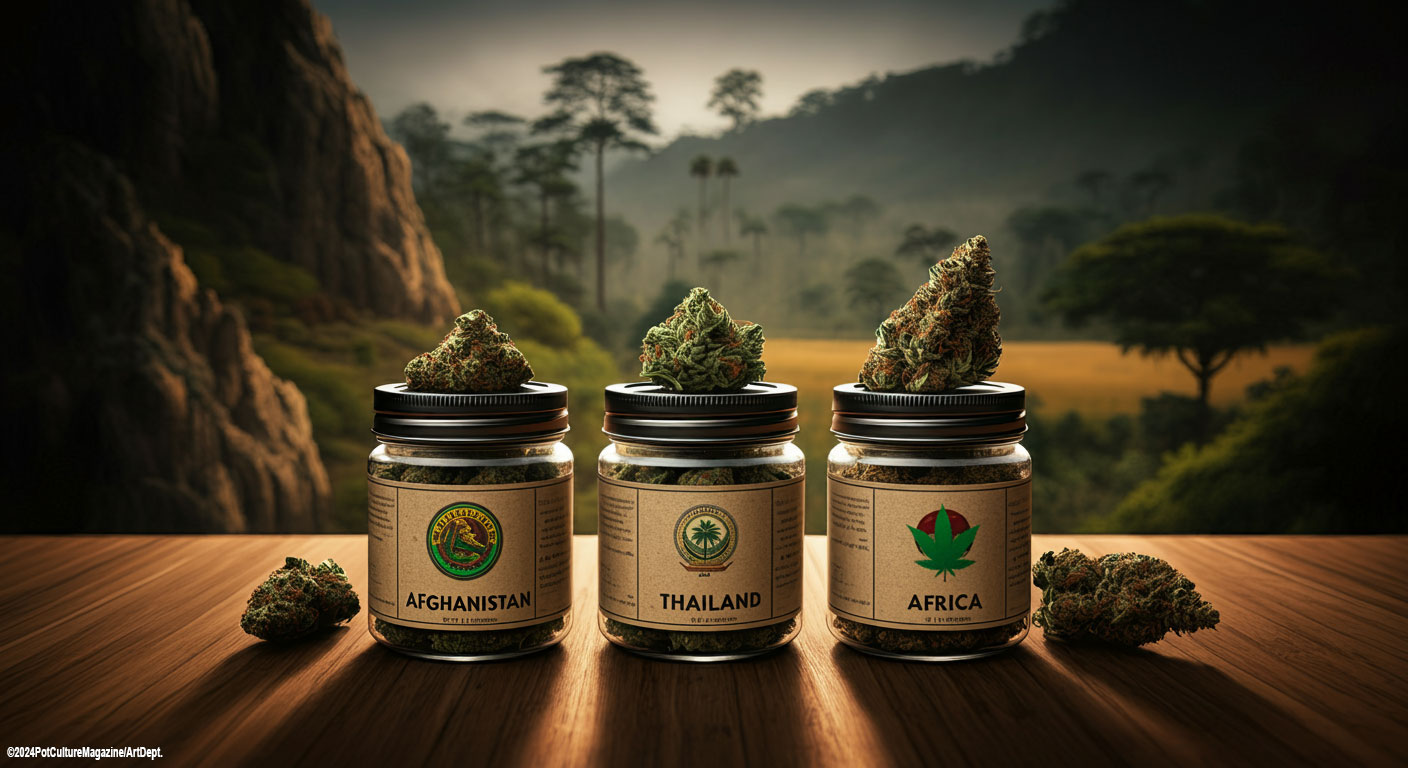
Let’s talk about the OGs of the cannabis world—the strains that haven’t been crossbred, manipulated, or genetically tweaked into oblivion. Meet the landrace strains: pure, unadulterated cannabis varieties adapted to their environments for centuries. Think of them as the heirloom tomatoes of weed, only way cooler because they’re weed.
So, what makes landrace strains so special? Unlike your hybrid-drenched dispensary menu, these strains are tied to specific regions where they evolved naturally, developing unique traits to thrive in their environments. From the high-altitude valleys of Afghanistan to the humid jungles of Thailand, these strains embody their native terroir like a fine wine. Let’s dive into what makes these cannabis relics so fascinating.
What Exactly Are Landrace Strains?
Landrace strains are cannabis plants that grow wild in specific geographic regions and have remained genetically pure. They haven’t been altered by human crossbreeding, meaning they retain the unique cannabinoid and terpene profiles shaped by their native environments. These strains are often named after their regions of origin, such as Afghan Kush, Durban Poison, and Thai Stick. They’re the ancestors of today’s hybrids, making them invaluable in cannabis breeding programs.
Notable Landrace Strains
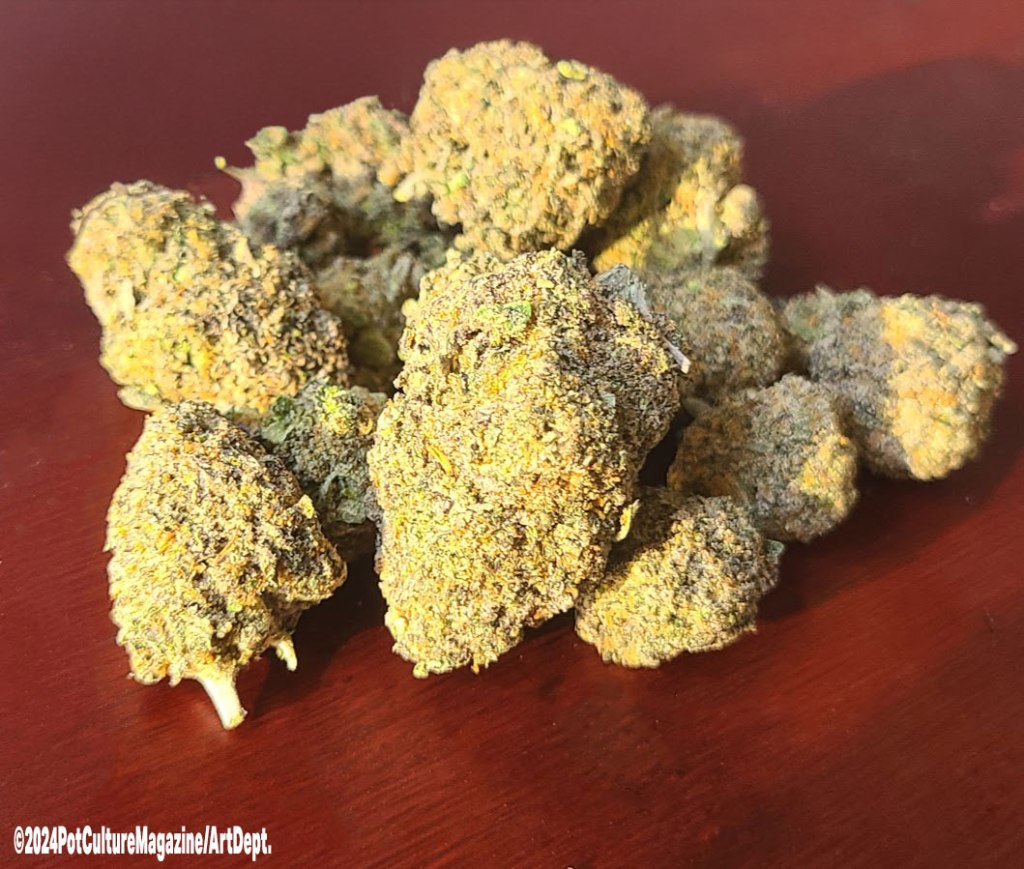
- Afghan Kush (Afghanistan): Known for its dense, resinous buds and deeply relaxing effects, this indica powerhouse is a staple in hash production.
- Thai (Thailand): A pure sativa that’s as energetic as a triple espresso. Famous for its sweet, citrusy aroma and cerebral high.
- Durban Poison (South Africa): Another sativa legend, prized for its uplifting effects and spicy, anise-like flavor.
- Lamb’s Bread (Jamaica): A favorite of Bob Marley and a cornerstone of Rastafarian culture, this strain delivers a blissful, euphoric high.
- Acapulco Gold (Mexico): This golden-hued sativa was a staple of the 1960s and 70s counterculture. It’s earthy, sweet, and energizing.
- Malawi Gold (Africa): An exotic gem known for its long-lasting, psychedelic high, and fruity flavor profile.
The Hippie Trail Connection
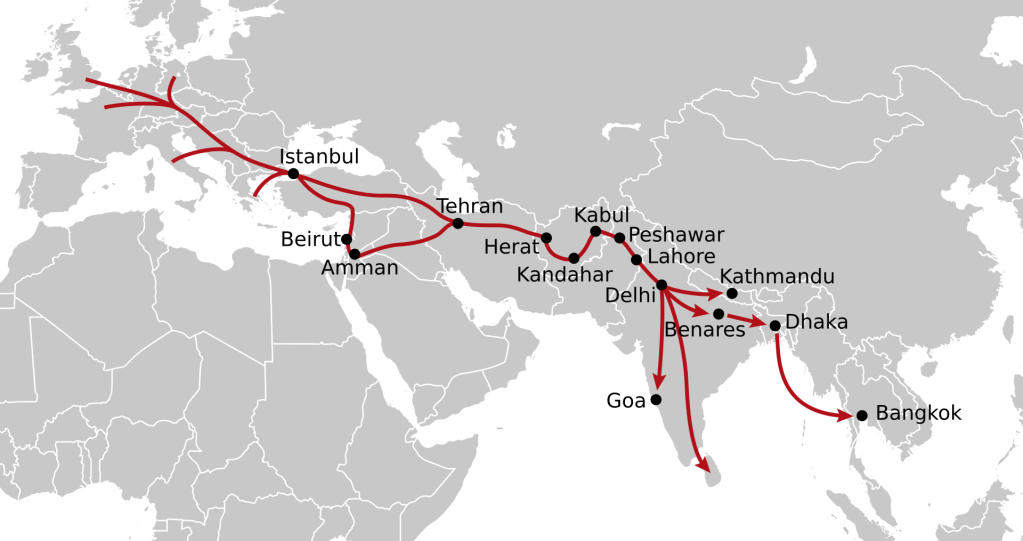
Back in the 1960s and 70s, Western travelers flocked to the “Hippie Trail,” a route stretching from Europe through the Middle East and into South Asia. They weren’t just there for spiritual enlightenment—they also smuggled seeds of landrace strains back home. This accidental globalization laid the foundation for modern cannabis cultivation, introducing strains like Afghan Kush and Thai Stick to the global market.
Why Are They So Rare Today?

Blame hybrids. Modern cannabis breeding has focused on creating strains with specific effects, often at the cost of genetic diversity. Many landrace strains have been crossbred into oblivion or lost entirely. Add climate change and illegal deforestation, and it’s no wonder these strains are disappearing faster than you can say “Durban Poison.”
Preservationists and seed banks are working to save these genetic treasures. Companies like The Landrace Team and Ace Seeds are dedicated to maintaining pure landrace genetics for future generations.
How Do They Differ From Indica and Sativa?

Indica and sativa are broad categories often used to describe effects—indica for relaxation, sativa for energy. Landrace strains, on the other hand, are more specific. They’re the original indicas and sativas, but their unique environmental adaptations make them more distinct than your average dispensary hybrid.
For example, Afghan Kush (indica) thrives in cold, mountainous regions, producing dense buds packed with resin. Thai Stick (sativa), grown in tropical climates, has airy buds and a zesty flavor profile. Landrace strains are the purest expressions of cannabis’ genetic potential.
Why Should You Care?

- Unique Effects: Landrace strains offer effects that are often more nuanced than hybrids. Want a cerebral buzz? Go with Durban Poison. Need to chill? Afghan Kush has your back.
- Genetic Diversity: These strains are the building blocks of cannabis genetics. Without them, modern breeding would grind to a halt.
- Cultural Heritage: Landrace strains are tied to the cultures and histories of their regions. Smoking Lamb’s Bread isn’t just getting high—it’s partaking in a legacy.
DIY Landrace Adventure
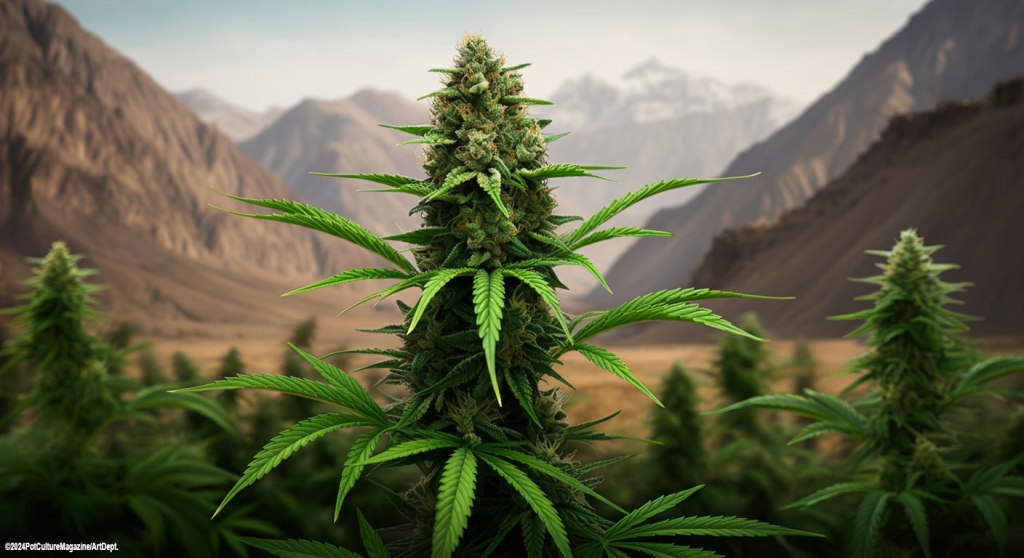
If you’re feeling adventurous, try growing a landrace strain. Many seed banks offer authentic seeds, but be prepared—these plants can be challenging. They’re adapted to their native environments, so unless your backyard mimics the Hindu Kush mountains or the Thai jungle, you’ll need to make some adjustments.
Landrace strains are more than just cannabis—they’re history, culture, and nature rolled into one. So next time you’re browsing a dispensary menu, skip the flavor-of-the-month hybrid and seek out a strain with roots. Because when it comes to cannabis, nothing beats the original.
© 2024 Pot Culture Magazine. All rights reserved. This content is the exclusive property of Pot Culture Magazine and may not be reproduced, distributed, or transmitted in any form or by any means without prior written permission from the publisher, except for brief quotations in critical reviews.
HELP POT CULTURE MAGAZINE STAY ALIVE, AND INDEPENDENT
F O R T H E C U L T U R E B Y T H E C U L T U R E

CANNABIS LIES Vol. 5: The Gateway Lie
For decades, politicians have claimed marijuana is a gateway to heroin and harder drugs. Federal youth surveys, NSDUH data, and NIDA’s own language tell a different story. Cannabis use is widespread, hard drug use remains rare, and most users do not progress. The data dismantles one of prohibition’s most durable fear narratives.


The Study That Pretends Cannabis Does Nothing
A new cannabis study claims marijuana does nothing for anxiety, depression, or PTSD. The reality is far more complicated. Decades of federal restrictions, limited research access, and synthetic substitutes have shaped the science. This breakdown exposes how incomplete data and selective interpretation continue to drive misleading headlines about cannabis and mental health.
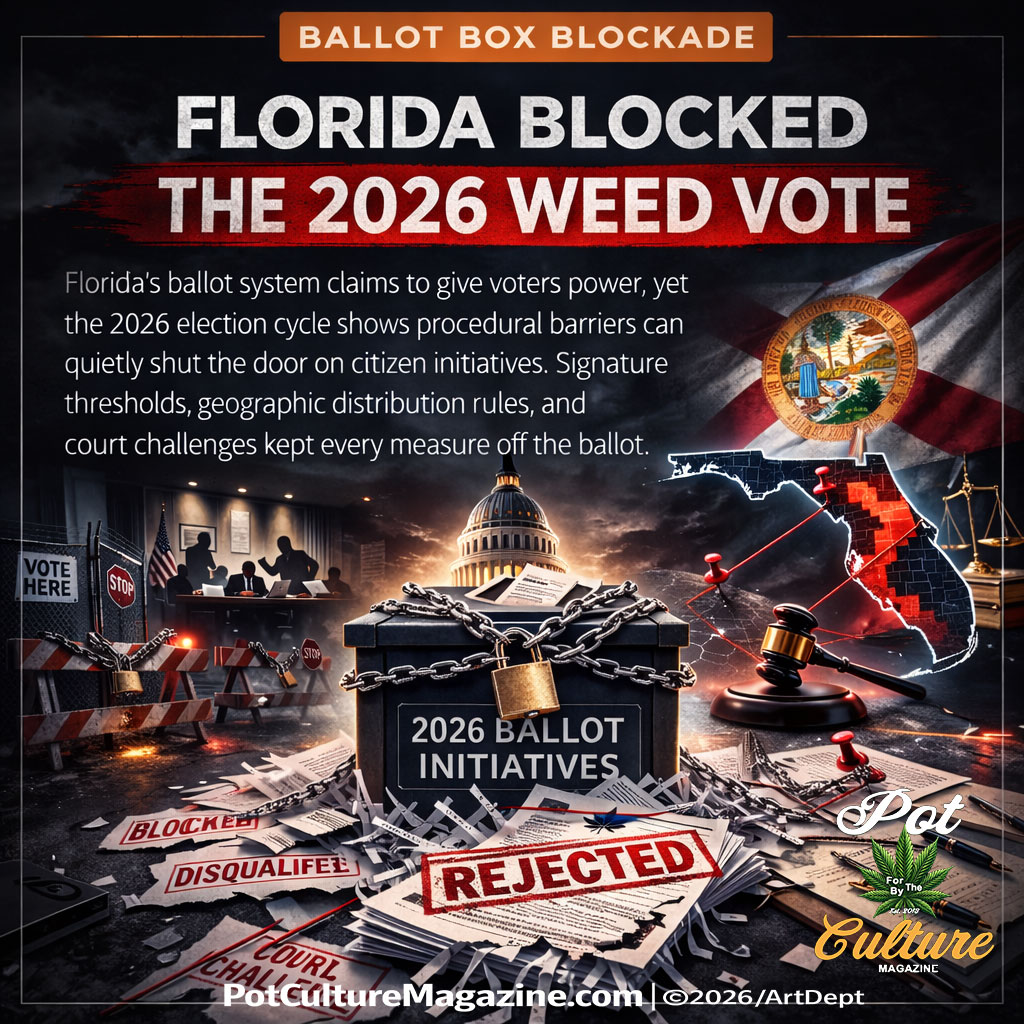
Florida Blocked the 2026 Weed Vote
Florida’s ballot system claims to give voters power, yet the 2026 election cycle shows how procedural barriers can quietly shut the door on citizen initiatives. Signature thresholds, geographic distribution rules, and court challenges blocked every measure from reaching voters, revealing how cannabis legalization fights are often decided by bureaucratic design long before election day.
Discover more from POT CULTURE MAGAZINE
Subscribe to get the latest posts sent to your email.

Leave a comment