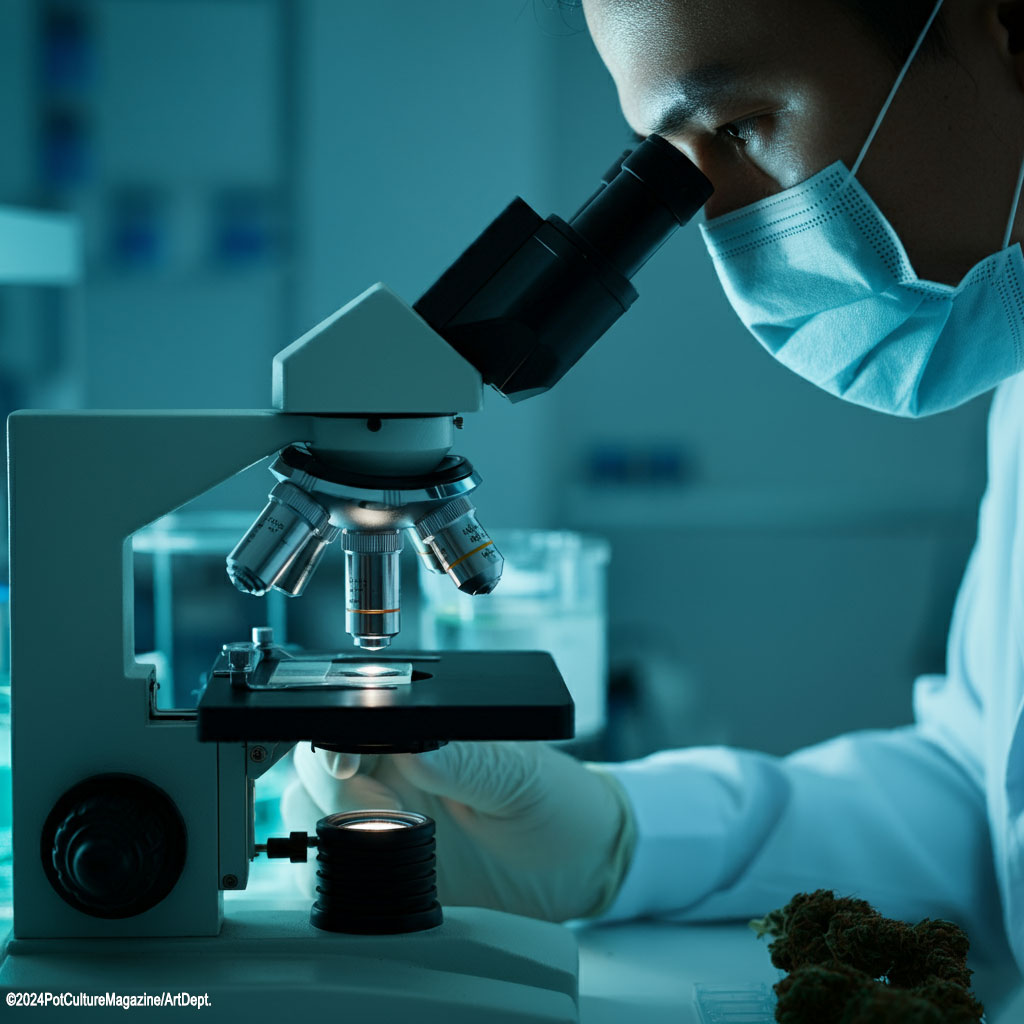
Fears of fentanyl-laced cannabis have circulated for years, but recent research paints a clearer picture that those concerns are mostly exaggerated. A 10-year analysis from The Lancet Regional Health – Americas reviewed nearly 12 million samples of illicit substances seized by law enforcement. The findings were clear: fentanyl was identified in fewer than two percent of all samples, and cannabis was among the least likely substances to contain traces of fentanyl, effectively debunking the persistent myth that these two substances are frequently mixed.
Fentanyl, a synthetic opioid far more potent than morphine, became notorious for its role in the opioid epidemic. Contamination in heroin, cocaine, and methamphetamine is well-documented, leading to a tragic number of overdose deaths. But how did cannabis get caught up in the fear surrounding fentanyl? Much of it stems from unfounded media reports, which, without verification, sensationalized claims that cannabis was tainted with fentanyl. As the opioid crisis worsened, it became easy for misinformation to spread, particularly regarding cannabis.
This fear was further amplified by the media, where sensationalist headlines pushed anecdotal stories about fentanyl-laced cannabis. These stories quickly went viral, despite lacking the evidence to back them up. In most cases, these reports were either debunked or unsubstantiated. Researchers from Harvard Medical School, who conducted the analysis, have consistently found that fentanyl contamination in cannabis is virtually non-existent. The discrepancy between these findings and public perception shows how misinformation can take on a life of its own.
advertisement
F O R T H E C U L T U R E B Y T H E C U L T U R E
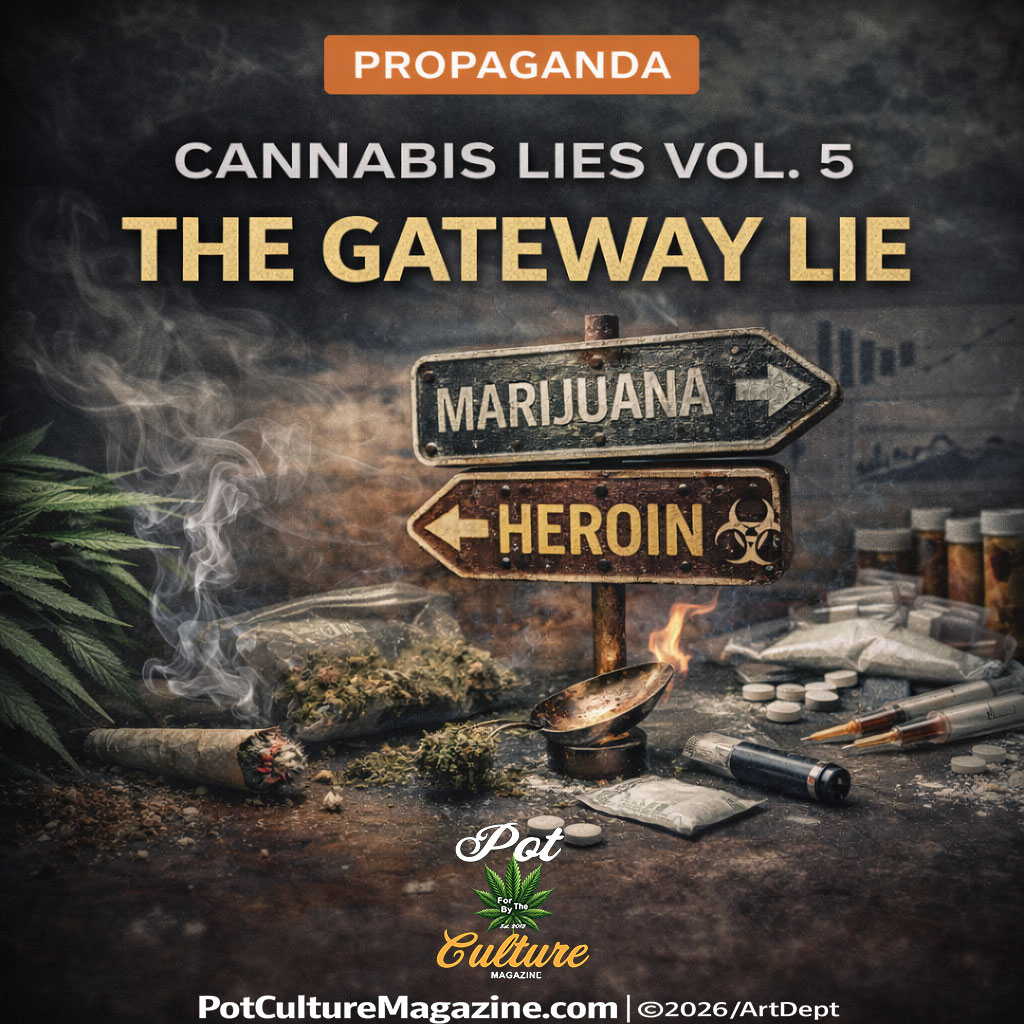
CANNABIS LIES Vol. 5: The Gateway Lie
For decades, politicians have claimed marijuana is a gateway to heroin and harder drugs. Federal youth surveys, NSDUH data, and NIDA’s own language tell a different story. Cannabis use is widespread, hard drug use remains rare, and most users do not progress. The data dismantles one of prohibition’s most durable fear narratives.

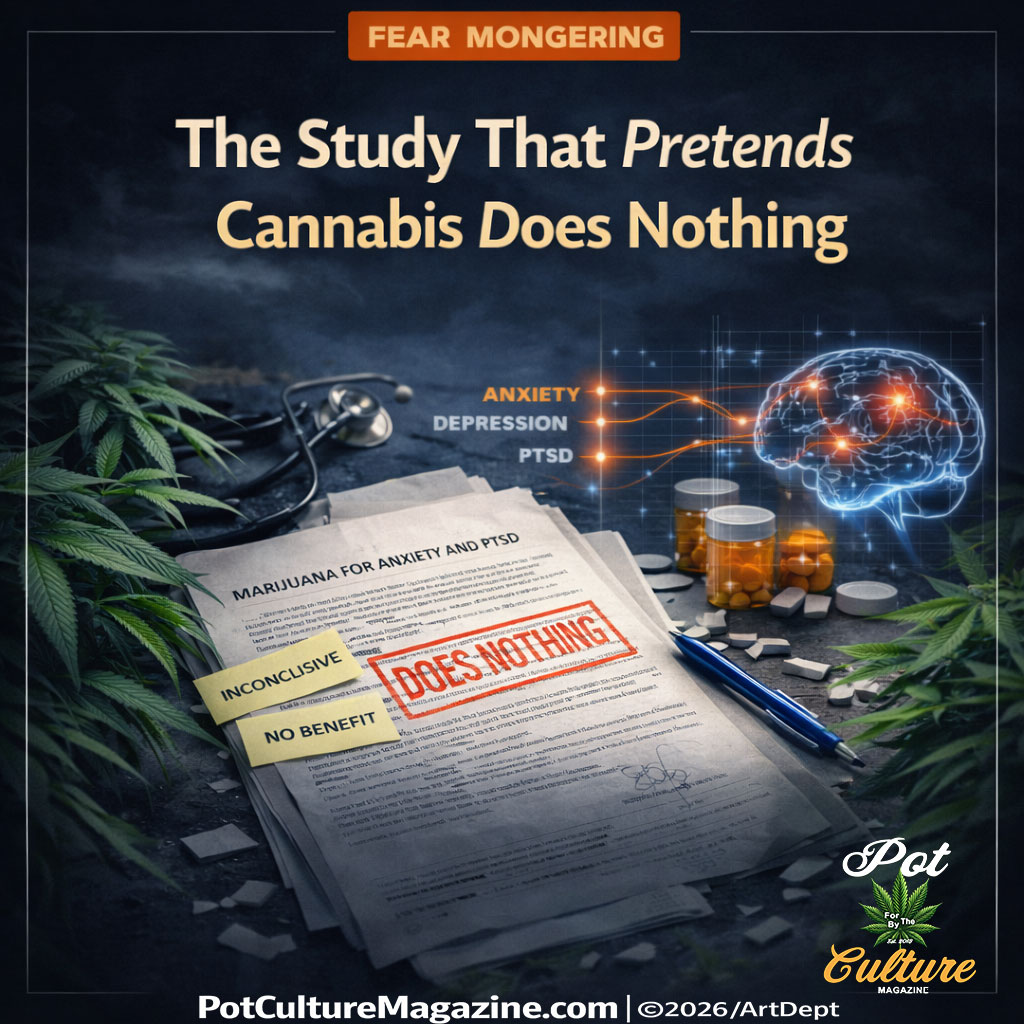
The Study That Pretends Cannabis Does Nothing
A new cannabis study claims marijuana does nothing for anxiety, depression, or PTSD. The reality is far more complicated. Decades of federal restrictions, limited research access, and synthetic substitutes have shaped the science. This breakdown exposes how incomplete data and selective interpretation continue to drive misleading headlines about cannabis and mental health.
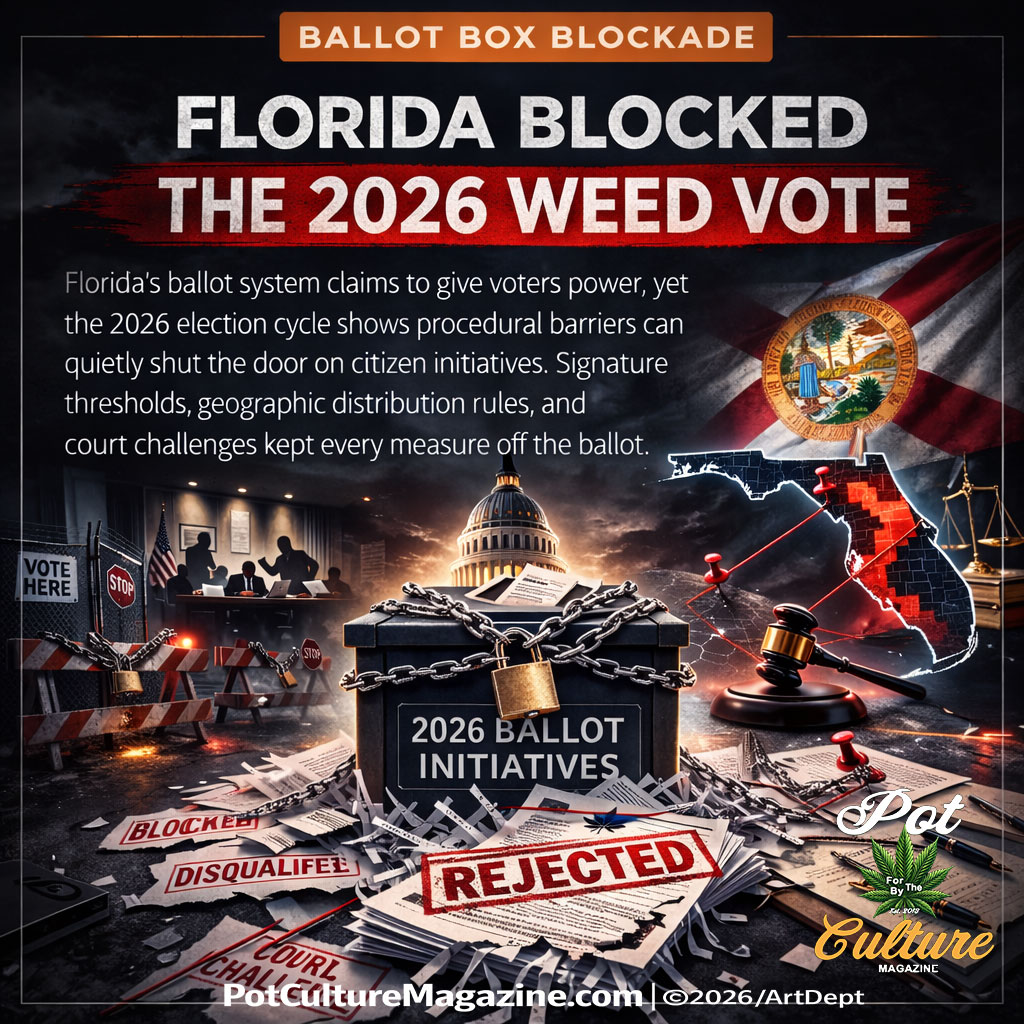
Florida Blocked the 2026 Weed Vote
Florida’s ballot system claims to give voters power, yet the 2026 election cycle shows how procedural barriers can quietly shut the door on citizen initiatives. Signature thresholds, geographic distribution rules, and court challenges blocked every measure from reaching voters, revealing how cannabis legalization fights are often decided by bureaucratic design long before election day.
advertisement
To understand why fentanyl rarely appears in cannabis, it’s essential to look at how these substances are produced and distributed. Fentanyl is typically found in powdered drugs, such as heroin, where it can be mixed easily. Cannabis, on the other hand, is a plant, most often consumed in flower form or as an edible, neither of which lends itself to contamination by fentanyl. More importantly, fentanyl’s potency makes it dangerous to mix with cannabis; even a small amount can be deadly, which doesn’t align with the interests of illicit cannabis sellers.
The 10-year analysis of millions of samples provides a definitive answer to this question: fentanyl is not a significant risk when it comes to cannabis. Public health experts continue to warn against spreading these myths, emphasizing the need for factual information to protect consumers from unnecessary fear. As researchers point out, while contamination of cannabis with other harmful substances like pesticides or mold remains a concern, fentanyl-laced cannabis is simply not a prevalent issue.
That said, buying from unregulated markets is not without its risks. While fentanyl isn’t something cannabis users need to worry about, there are still other contaminants that could affect the safety of cannabis, from chemicals to mold. Experts agree that the best way to avoid these risks is to purchase cannabis from licensed dispensaries where products are lab-tested. These products are subjected to stringent quality control measures to ensure safety and purity, providing consumers peace of mind.
Misinformation around cannabis, especially as it intersects with fears of fentanyl, does a disservice to the public. The solution? Support a well-regulated cannabis market where consumers can trust the products they’re buying. Licensed dispensaries guarantee a level of safety and testing that the illicit market simply cannot offer. While the specter of fentanyl contamination may continue to haunt public perception, the facts remain clear: it’s exceedingly rare, if not outright false, when it comes to cannabis.
© 2024 Pot Culture Magazine. All rights reserved. This content is the exclusive property of Pot Culture Magazine and may not be reproduced, distributed, or transmitted in any form or by any means, including photocopying, recording, or other electronic or mechanical methods, without the prior written permission of the publisher, except in the case of brief quotations in critical reviews or analyses.
F O R T H E C U L T U R E B Y T H E C U L T U R E

The Cannabis Lie: Vol. 4 — The Crime Wave Lie
Politicians and pundits warned that legal cannabis would unleash a crime wave. The data tell a different story. From Colorado’s violent crime trends to DOJ time-series research and statewide arrest declines, the evidence shows no consistent long-term surge tied to legalization. The numbers never matched the panic.

South Africa Legalized Weed, But Not the Market
South Africa recognized private adult cannabis use and home cultivation, but never built a legal domestic market around them. With buying and selling still largely outside the law, the illicit trade remains dominant while regulators scramble to set limits, draft rules, and prepare a broader Cannabis Bill that could finally address commerce.
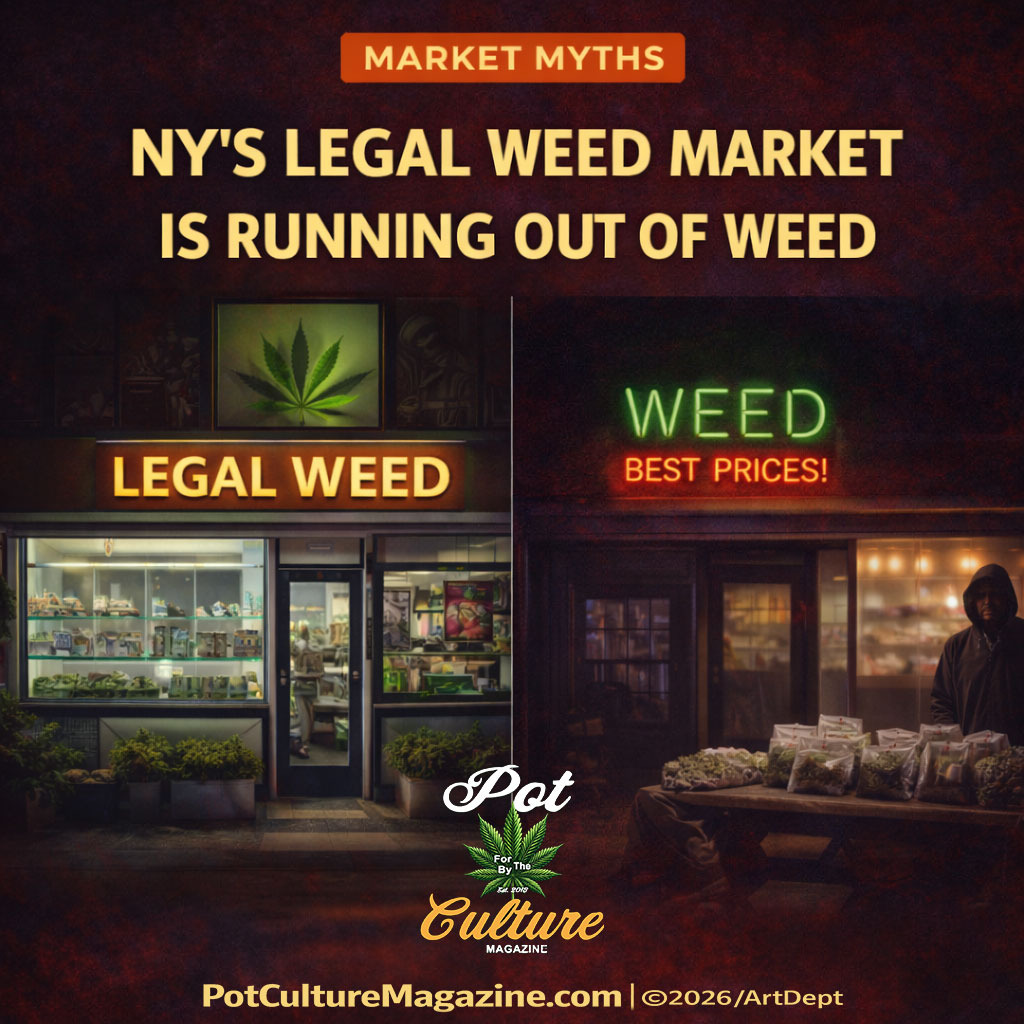
NY’s Legal Weed Market Is Running Out of Weed
New York legalized cannabis and opened hundreds of stores, but regulators now warn the legal market may not produce enough weed to keep them stocked. With nearly 600 stores open and sales nearing $3 billion, the state is discovering that legalization alone does not guarantee a functioning market.
Discover more from POT CULTURE MAGAZINE
Subscribe to get the latest posts sent to your email.

Leave a comment