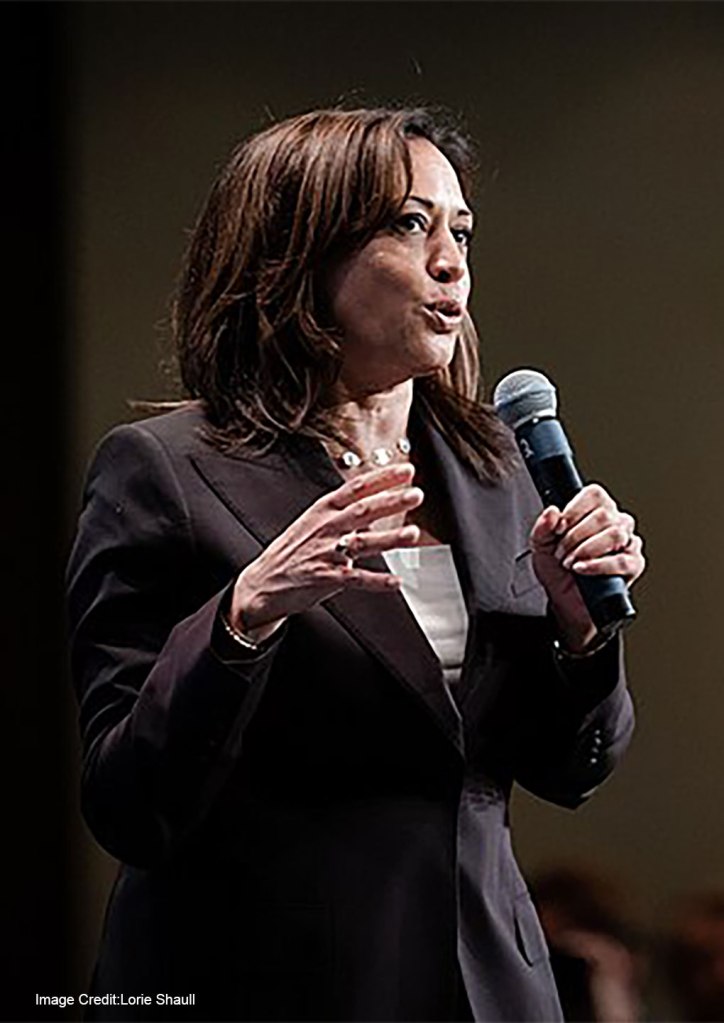
Vice President Kamala Harris is gearing up to shake the foundation of federal cannabis policy. As part of her “opportunity agenda” aimed at uplifting Black men, Harris is not just talking about criminal justice reform—she’s putting the legalization of recreational marijuana on the table, a move that would represent one of the most dramatic shifts in U.S. drug policy to date. But this isn’t just about cannabis. Harris’s proposal is part of a broader strategy to address the systemic barriers Black men face, from economic inequality to healthcare disparities.
This plan comes with high stakes and high hopes, aiming to break down what Harris calls “unjust legal barriers” that have disproportionately harmed Black men. Those barriers? The kind created by the decades-long War on Drugs has devastated Black communities and fueled mass incarceration. Harris’s plan doesn’t stop at cannabis, though—it also includes forgivable loans for Black entrepreneurs, healthcare reforms, and support for historically Black colleges and universities (HBCUs). The strategy is bold and designed to win back Black voters, whose support is crucial in the coming election.
Legalization and Justice
Harris isn’t just advocating for recreational marijuana to be legal in 24 states; she wants to make it legal nationwide. This would mean ending federal prohibition, removing cannabis from the Controlled Substances Act, and ensuring that states where it remains illegal can no longer prosecute people for possessing or selling it. But the plan goes even further—it specifically addresses the need for Black men, who have historically borne the brunt of over-policing, to have access to jobs and wealth-building opportunities in the new cannabis industry.
Legalization, Harris argues, is about more than personal freedom—it’s about economic freedom. “For years, Black men have been disproportionately incarcerated for marijuana offenses, and now they must be given the tools to benefit from legalization,” her campaign statement reads. And she’s not wrong. Studies have shown that Black men are 3.6 times more likely to be arrested for marijuana possession than white men, despite similar usage rates. Legalization could potentially reverse this trend, creating a pathway for reintegration and opportunity where once there was only criminalization.
Health, Wealth, and Education
Harris’s vision extends beyond cannabis. Her agenda also includes a National Health Equity Initiative, focusing on diseases that disproportionately affect Black men: sickle cell disease, diabetes, prostate cancer, and mental health issues. Access to healthcare remains a challenge in Black communities, and Harris is pushing to close that gap by offering targeted care and resources through this initiative.
But economic inequality is also on the table, and Harris isn’t pulling any punches here. The plan includes issuing 1 million forgivable loans of up to $20,000 to Black entrepreneurs—a move designed to jumpstart Black-owned businesses and reduce wealth disparities. This could be a game changer for aspiring entrepreneurs who lack access to capital, especially in an industry like cannabis, where starting costs can be prohibitively high.
On top of that, she’s committed to investing in programs aimed at increasing the number of Black male teachers in public schools by partnering with HBCUs and expanding Department of Education programs. Education reform is a crucial piece of Harris’s plan, recognizing the need for Black male representation in classrooms across the country.
The Political Reality
As revolutionary as it sounds, full federal legalization of cannabis isn’t something Harris could accomplish alone—even as president. While she could take executive actions like pardoning non-violent cannabis offenders or directing federal agencies to deprioritize cannabis-related enforcement, full legalization requires an act of Congress. That means getting lawmakers on board—a challenge, but not an impossibility given growing bipartisan support for cannabis reform.
The stakes are high. Polls show that support for Democrats among Black voters has waned, especially among Black men. Harris knows this, which is why she’s using cannabis legalization as part of a larger strategy to reengage this critical demographic. She’s already hitting the campaign trail hard, meeting with Black community leaders and holding Black Men Huddle Up events during NFL and NCAA games, along with appearances in battleground states.
A Step Beyond Biden
It’s worth noting that Harris’s stance on cannabis goes even further than President Joe Biden, who has pushed for reclassification rather than full legalization. While Biden’s administration has made some moves—such as pardoning simple marijuana possession offenders—Harris is calling for sweeping changes. She wants to fully legalize recreational marijuana and create pathways for Black men to thrive in the industry.
This plan could also force Republicans to the table, as marijuana legalization has seen growing support even among conservative voters. The economic benefits—like taxation, job creation, and the removal of the black market—are hard to ignore, making cannabis reform an issue that could easily cross party lines in future debates.
© 2024 Pot Culture Magazine. All rights reserved.
This content is the exclusive property of Pot Culture Magazine and may not be reproduced, distributed, or transmitted in any form or by any means without prior written permission from the publisher, except for brief quotations in critical reviews.
Discover more from POT CULTURE MAGAZINE
Subscribe to get the latest posts sent to your email.

Leave a comment