Filed Under: The High Drive: Can you survive?
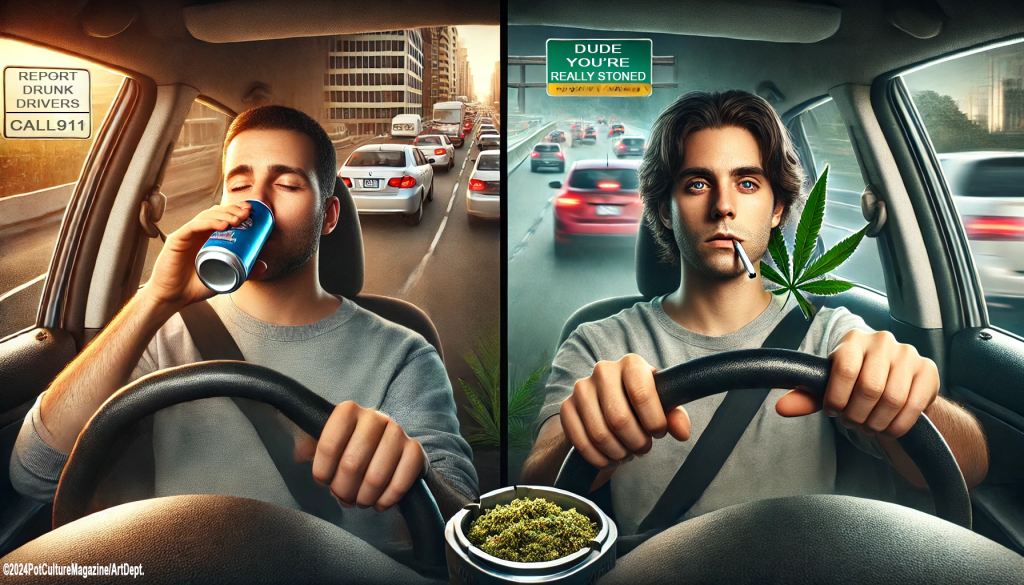
The debate surrounding cannabis legalization often brings a common concern to the forefront: Will more stoners behind the wheel mean a surge in traffic accidents and fatalities? As more states in the U.S. move toward legalization, the potential impact on road safety is becoming a hot topic. We’ll cut through the noise, confront the hysteria head-on, and find out if legal cannabis makes our roads more dangerous.
The Concern: Legal Cannabis and Road Safety
Let’s be real, legalizing weed means more people will be lighting up, and some of them will inevitably get behind the wheel. “Stoned driving” sounds like a recipe for chaos, conjuring images of dazed drivers, slower reactions, and potential disaster on the asphalt. But is this fear based on reality, or is it just another overblown talking point?
Alcohol vs. Cannabis: A Stark Difference in Risk
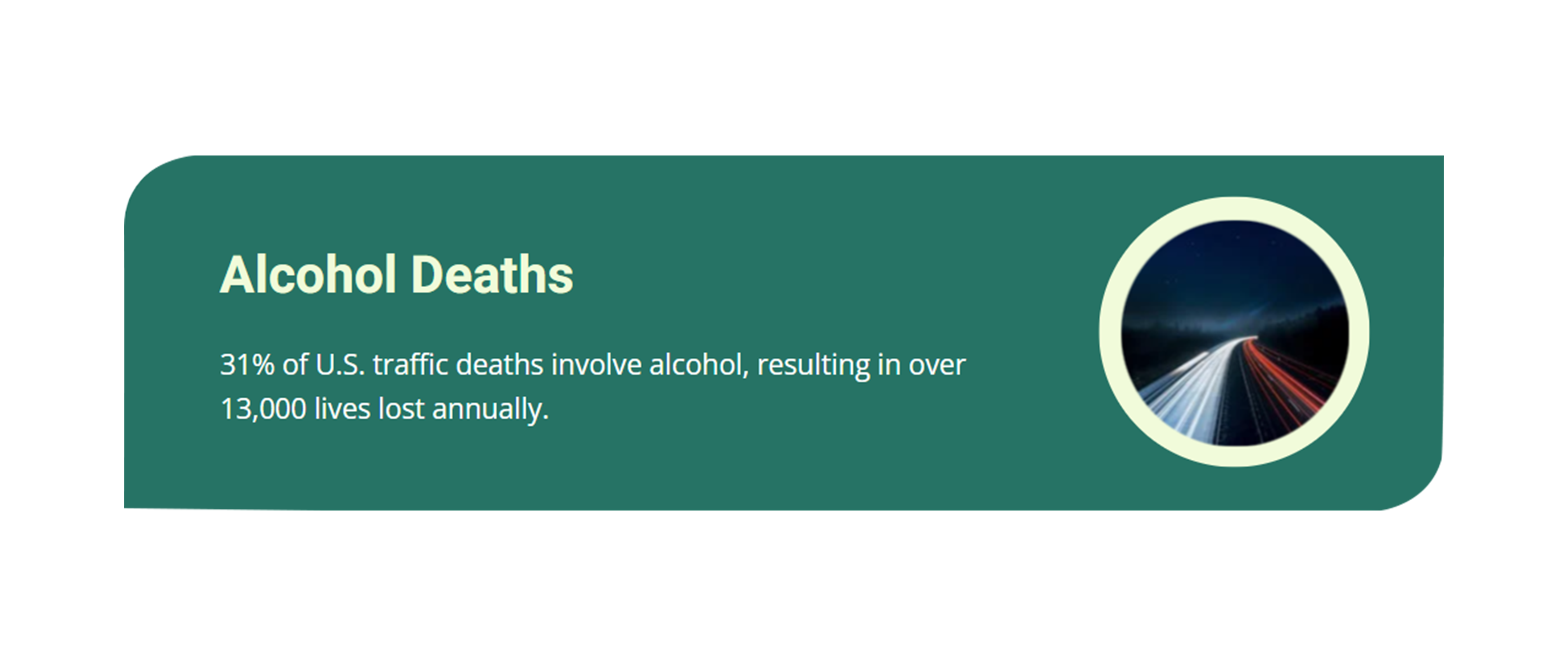
To really understand the impact of cannabis on driving, you need to compare it to alcohol, which is still the undisputed king of impaired driving fatalities. According to the National Highway Traffic Safety Administration (NHTSA), alcohol-impaired driving makes up 31% of all traffic deaths in the U.S. That’s more than 13,000 deaths every year caused by drunk drivers with a blood alcohol content (BAC) of 0.08 or higher. It’s a grim reminder of just how deadly alcohol can be on the road.
Now, let’s put weed in the spotlight. Available research, including a study from the National Institute on Drug Abuse (NIDA), shows that while there’s been a slight bump in accidents in states where cannabis is legal, the risk is nowhere near that posed by alcohol. In fact, when you adjust for factors like age, gender, and the presence of booze, data shows no significant increase in crash risk for THC-positive drivers. The difference is like night and day.
What the Data Really Tells Us About Cannabis-Impaired Driving
Studies from states like Colorado, Washington, and California, where recreational cannabis is legal, paint a mixed picture, but here’s the bottom line:
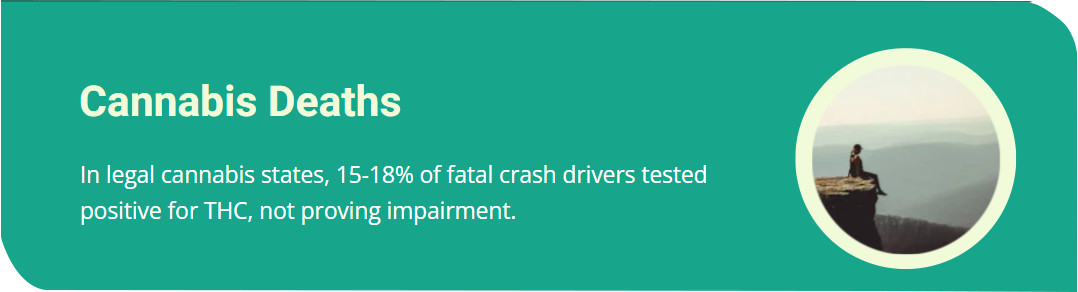
- THC Detection vs. Impairment: More drivers involved in accidents are testing positive for THC in states where cannabis is legal. Colorado’s numbers show 15% of traffic fatalities involved drivers with THC in their system. But let’s be clear, THC sticks around in the body for days, sometimes weeks. Just because it’s detectable doesn’t mean the driver was high or impaired when the crash happened.
- Collision Rates: The Insurance Institute for Highway Safety (IIHS) found a 6% rise in collision claims in states where weed is legal. Sure, it’s an increase, but it’s still a far cry from the carnage alcohol causes. It’s more of a ripple than a tidal wave.
- Crash Risk Comparison: Drivers with a BAC of 0.08 are nearly four times more likely to crash. When it comes to cannabis, the adjusted data points to minimal additional risk. The truth is, the impact of stoned driving just isn’t as dangerous as some folks would have you believe.
The Complications of Measuring THC Impairment
One of the biggest hurdles in understanding cannabis and driving risk is figuring out just how much impairment THC causes. Alcohol is easy to blow into a breathalyzer, and you’ve got your answer. THC, on the other hand, is a different beast. No standard test can tell you if someone is currently stoned or not. It all depends on tolerance, body chemistry, and how much time has passed since that last hit.
And when you start talking about drivers with both alcohol and THC in their systems, it’s alcohol that takes the lead in causing impairment. Cannabis alone may impair you, but booze is what really pushes those crash numbers through the roof.
advertisement
F O R T H E C U L T U R E B Y T H E C U L T U R E
Missouri Tightens Grip On Hemp Sales
Missouri legalized cannabis, then moved to squeeze intoxicating hemp into the dispensary system. HB 2641 is being sold as consumer protection, but critics say it protects licensed marijuana operators while threatening hemp retailers, growers, and small businesses across the state.

CANNABIS LIES Vol. 7: The Mental Health Panic
Cannabis and mental health risks are often overstated in public debate. Research shows heavy use and high THC exposure can increase psychosis risk in vulnerable individuals, but widespread claims of a mental health crisis lack strong evidence. This piece examines the data, separates correlation from causation, and breaks down what cannabis users need to know.
IDAHO TRIES TO STOP A VOTE BEFORE IT STARTS
Idaho lawmakers passed a resolution urging voters to reject a medical cannabis initiative before it reaches the ballot. The move highlights how officials are shaping public opinion ahead of a vote, while maintaining strict prohibition and blocking even limited access for patients.
advertisement
Cutting Through the Myths: Fact vs. Fear
The fear that legalizing cannabis will turn our roads into chaos just doesn’t hold up under scrutiny. Yes, there’s been a slight increase in accidents, but let’s put it in perspective: this small rise is nominal compared to the death toll from alcohol. Even in states where weed is legal, alcohol is still the biggest threat on the road.
- Alcohol-Related Fatalities: Alcohol is linked to about 31% of all traffic deaths, a staggering figure.
- Cannabis-Related Fatalities: Cannabis detection in drivers involved in fatal crashes ranges between 15-18%, but the keyword here is “detection,” not impairment.
The Road Ahead: Education and Responsible Use
Minimizing the risks of cannabis-impaired driving comes down to two things: education and responsibility. States that legalize cannabis should prioritize public awareness campaigns to inform drivers about the risks of getting behind the wheel while high. Just like the effective “Don’t Drink and Drive” initiatives, it’s about making sure people understand the consequences of impaired driving, whether it’s alcohol or cannabis.
Instead of focusing solely on punitive measures, the emphasis should be on proactive education and encouraging responsible behavior. Until more reliable methods for assessing THC impairment are developed, raising awareness remains our best tool for keeping the roads safe.
Stay Smart, Stay Safe
So, does legal weed lead to more accidents? Sure, there’s a small increase, but nothing that even comes close to the devastation caused by alcohol. The truth is, we need to face these issues without the fear-mongering. It’s time to stay informed, stay smart, and make sure we don’t let myths dictate policy.
If you’re lighting up, don’t get behind the wheel. Simple as that. Legal cannabis is here, but keeping our roads safe is up to all of us. Education, responsibility, and respect for the risks, that’s how we separate fact from fear and keep moving forward.
© 2024 Pot Culture Magazine. All rights reserved. This content is the exclusive property of Pot Culture Magazine and may not be reproduced, distributed, or transmitted in any form or by any means without prior written permission from the publisher, except for brief quotations in critical reviews.
F O R T H E C U L T U R E B Y T H E C U L T U R E
MS LIMITS MEDICAL CANNABIS WHERE IT MATTERS MOST
Mississippi maintains strict limits on medical cannabis after Governor Tate Reeves vetoed expansion bills on March 26, 2026. Patients remain unable to use cannabis in hospitals while eligibility and access rules stay tightly controlled. This feature examines what the veto blocks, how it affects patients, and what it means for the state’s growing cannabis market.
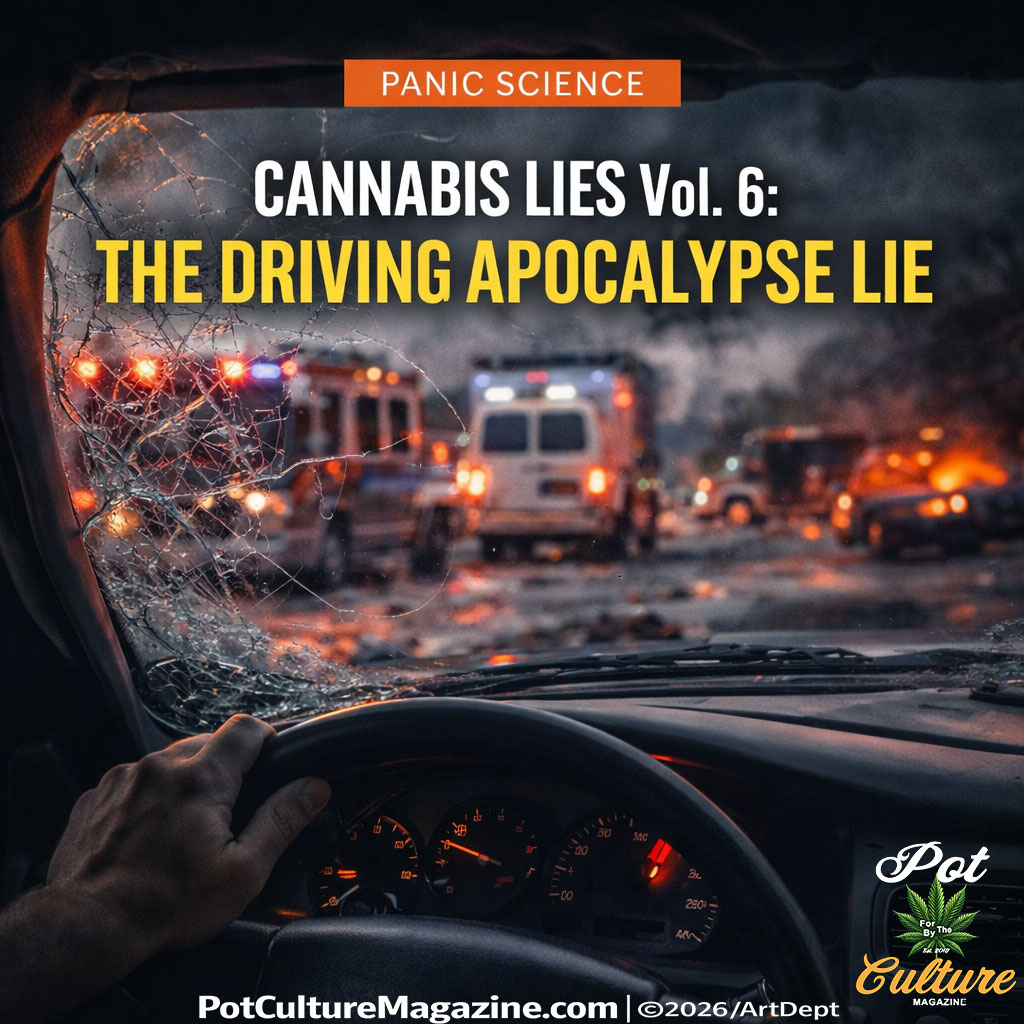
CANNABIS LIES Vol. 6: The Driving Apocalypse Lie
Legal cannabis is often blamed for rising traffic deaths, but federal data tells a more complicated story. NHTSA findings, toxicology limitations, and conflicting crash studies reveal that THC presence is not a reliable measure of impairment. This investigation breaks down how flawed testing and policy shortcuts have shaped the narrative around so-called stoned driving.
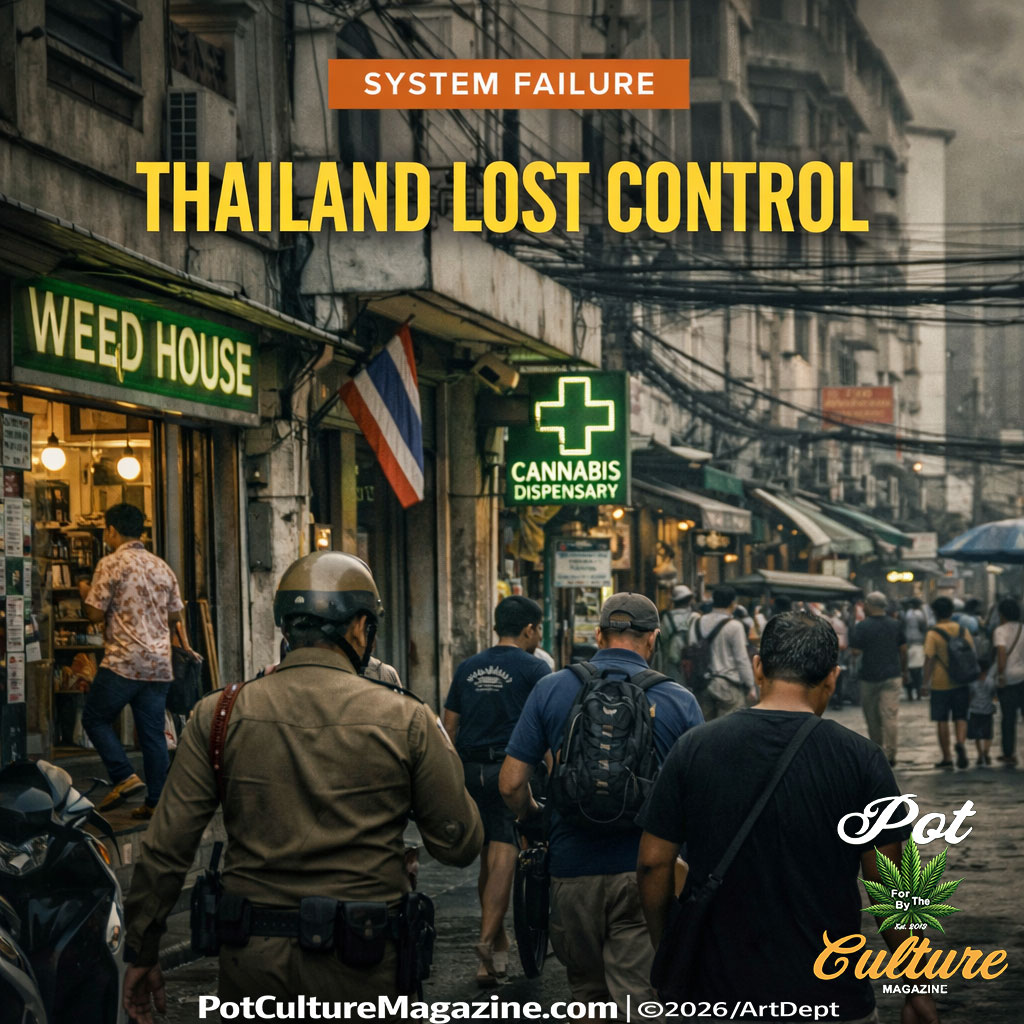
Thailand Lost Control
Thailand blew open its cannabis market, then tried to force it back under control. This feature tracks the country’s shift from prohibition to medical legalization, decriminalization, and regulatory backlash, exposing how weak enforcement, political pressure, and rushed policy turned a reform headline into a live case study in state correction.
Discover more from POT CULTURE MAGAZINE
Subscribe to get the latest posts sent to your email.

Leave a comment