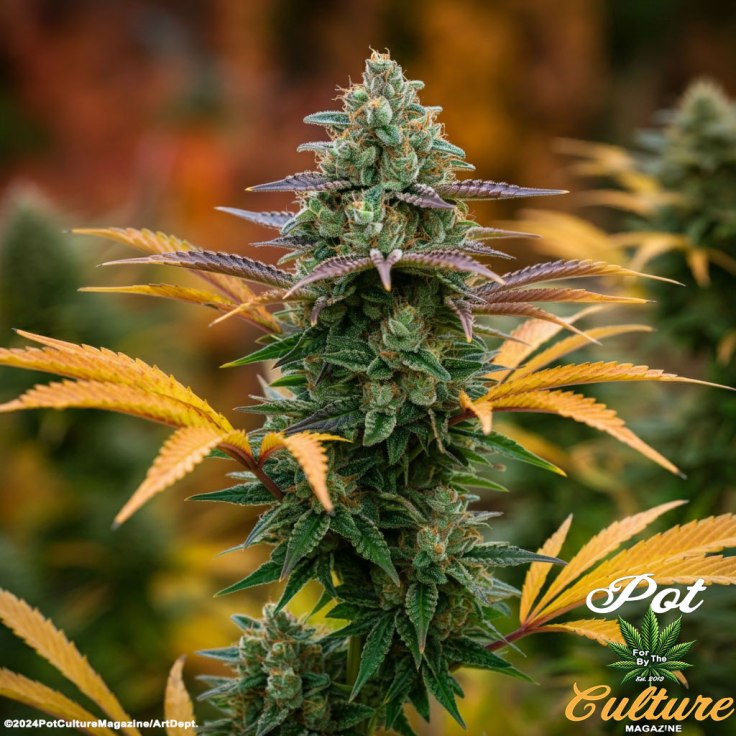
Harvest season. It’s the time when all those long summer hours sweating over your plants finally come to a head, and it’s no different for cannabis cultivators, except this isn’t some gentle stroll through an apple orchard. It’s fall, nature’s pressure cooker, throwing curveballs with cold snaps, downpours, and pests desperate for their last feast before winter. You’ve got one shot to get it right, to get those buds bursting with sticky trichomes and a scent that’ll make your neighbors jealous. There’s no room for mistakes, no time for leisurely weekends. This is cannabis cultivation, and in the fall, it’s game time.
1. The Influence of Fall on Cannabis Cultivation
The fall season plays a crucial role in outdoor cannabis cultivation, especially as temperatures begin to cool and daylight hours decrease. These conditions naturally trigger the flowering stage for cannabis plants, prompting the formation of buds. During the fall, growers need to carefully adjust their approach to match the changing environment to achieve a successful harvest.
2. Temperature and Humidity Management

During the flowering stage, cannabis plants thrive in slightly cooler temperatures, ideally between 65-80°F (18-26°C). This shift from the warmer vegetative stage helps to enhance bud development, resulting in desirable colors, enhanced trichome production, and a stronger scent. Controlling humidity is equally important; levels should be kept low to prevent mold and mildew, which can thrive in cooler, more humid fall conditions. Ideally, humidity should be reduced to 40-50% during flowering to avoid these issues.
3. Harvest Techniques
The timing of harvest is critical for maximizing potency and flavor. To determine the best time for harvest, growers use visual cues such as the color of the trichomes and pistils. The ideal moment is when most trichomes turn from clear to cloudy, with a few taking on an amber hue. The pistils should also have darkened and curled in, signaling peak potency.
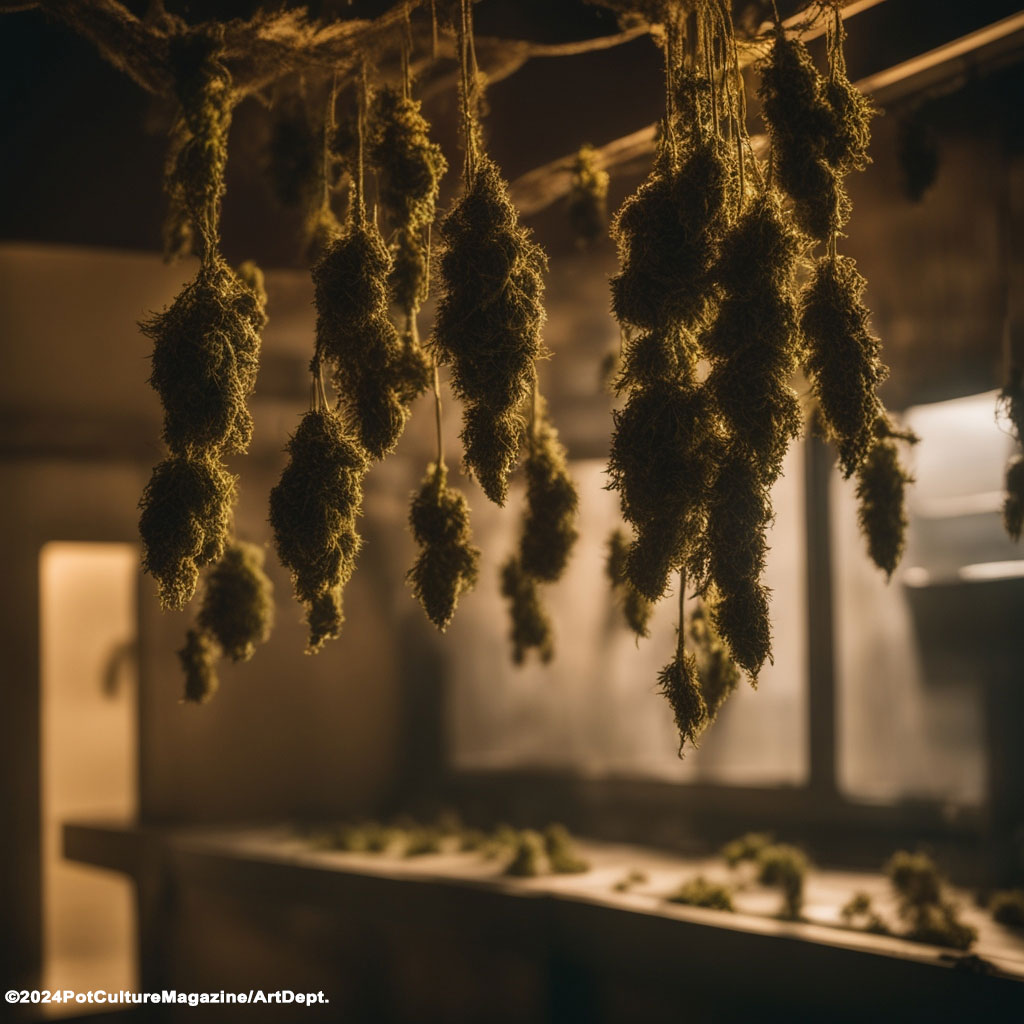
Many growers prefer to harvest in the early morning when terpene and cannabinoid levels are at their highest. After cutting down the plants, the branches should be hung upside down in a cool, dark place to dry slowly over the course of several days to weeks. Once dry, the buds can be trimmed and cured in airtight containers to enhance flavor and potency, opening the containers periodically to release moisture.
4. Challenges of Growing in Cooler Weather
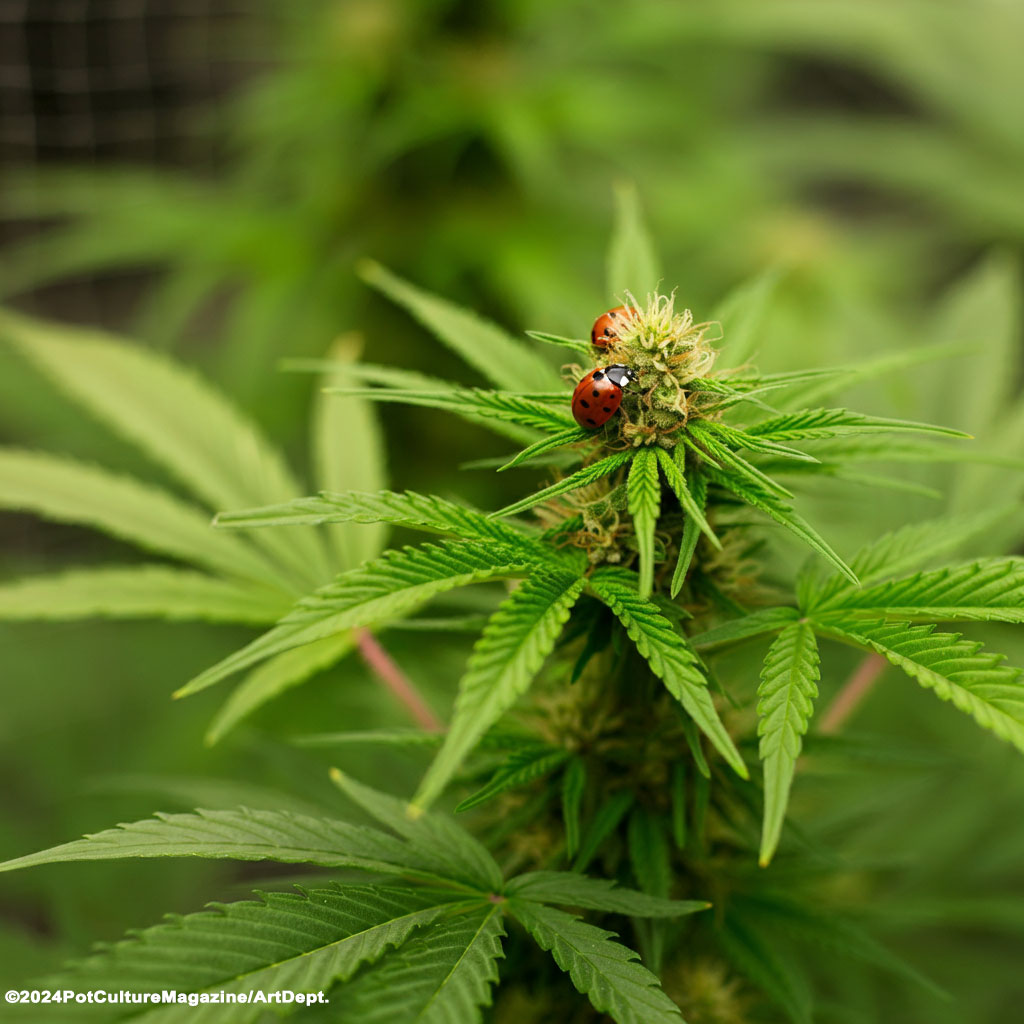
One of the primary challenges during fall cultivation is unpredictable weather, including heavy rains and fluctuating temperatures. Heavy rains can lead to bud rot and other fungal diseases, making it essential to use protective measures like temporary covers to shield plants during unexpected downpours. Additionally, pests such as aphids and mites can become problematic, requiring proactive pest management strategies like introducing beneficial insects (e.g., ladybugs) or companion planting (e.g., basil or dill) to repel unwanted pests.
5. Rituals and Traditions of Fall Harvest
Many cannabis growers follow specific rituals and traditions during the fall harvest. For some, it’s about syncing their harvest with lunar cycles, believing that the moon’s position can influence resin production. Others take part in “Croptober,” a communal term used to celebrate the culmination of months of work during October when most outdoor cannabis crops reach full maturity.
Growers may also use this time to perform acts of gratitude, symbolic or otherwise, to the Earth and the natural elements that contributed to the harvest. Whether it’s a celebratory joint shared among the grow team or a more spiritual acknowledgment of nature, these rituals are an integral part of the harvest season for many cultivators.
6. Best Practices for a Successful Fall Harvest
To ensure a successful harvest, growers should:
- Monitor Weather Conditions: Be prepared for rapid weather changes and take action to protect plants from heavy rain or early frost.
- Stage Harvesting: For larger plants, consider harvesting in stages to ensure that all buds are picked at their optimal maturity.
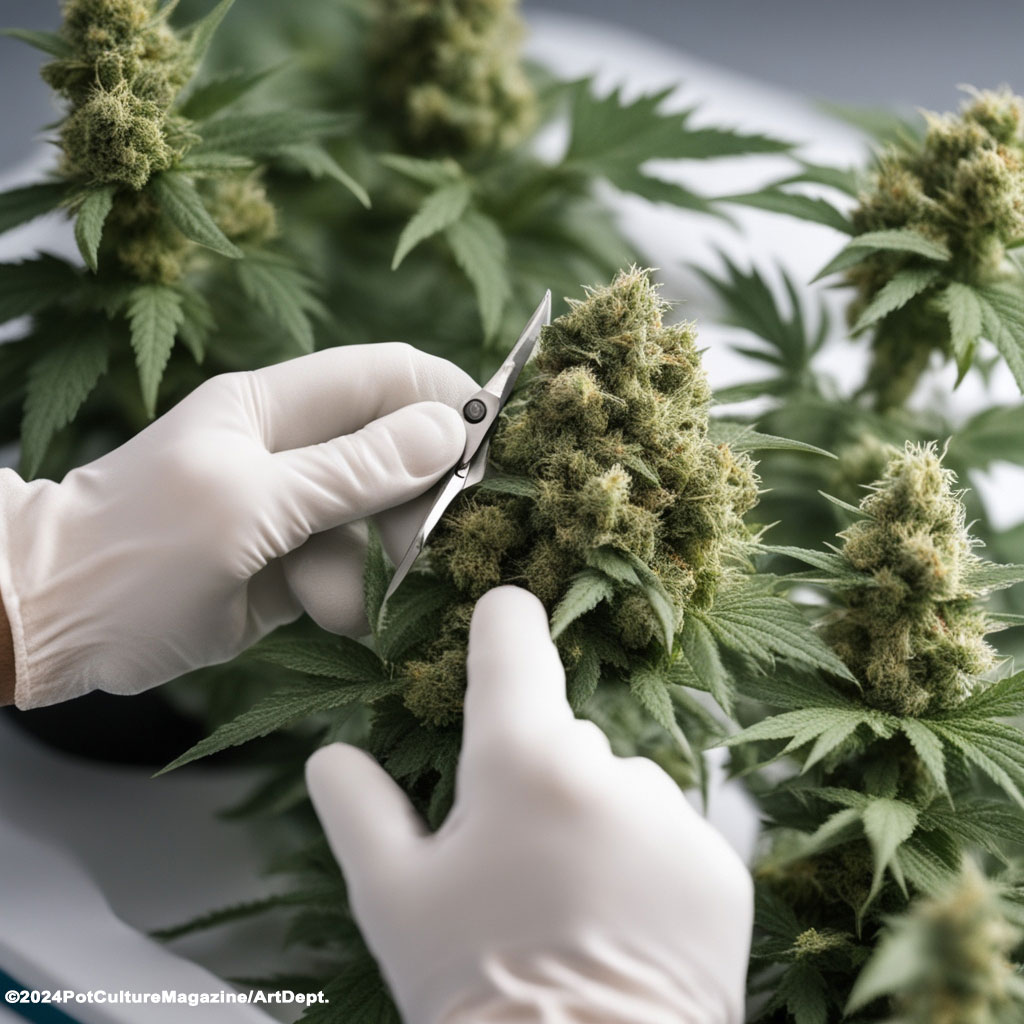
- Precision Tools: Use sharp scissors or pruning shears for trimming to avoid damaging trichomes, which are crucial for potency.
- Avoid Sunlight During Harvest: Harvesting in shaded conditions helps preserve the delicate trichomes, which can degrade if exposed to excessive light.
This combination of careful monitoring, proactive protection, and traditional practices helps growers successfully navigate the challenges of the fall season and make the most of their cannabis harvest.
© 2024 Pot Culture Magazine. All rights reserved. This content is the exclusive property of Pot Culture Magazine and may not be reproduced, distributed, or transmitted in any form or by any means, including photocopying, recording, or other electronic or mechanical methods, without the prior written permission of the publisher, except in the case of brief quotations in critical reviews or analyses.
F O R T H E C U L T U R E B Y T H E C U L T U R E

CANNABIS LIES Vol. 5: The Gateway Lie
For decades, politicians have claimed marijuana is a gateway to heroin and harder drugs. Federal youth surveys, NSDUH data, and NIDA’s own language tell a different story. Cannabis use is widespread, hard drug use remains rare, and most users do not progress. The data dismantles one of prohibition’s most durable fear narratives.


The Study That Pretends Cannabis Does Nothing
A new cannabis study claims marijuana does nothing for anxiety, depression, or PTSD. The reality is far more complicated. Decades of federal restrictions, limited research access, and synthetic substitutes have shaped the science. This breakdown exposes how incomplete data and selective interpretation continue to drive misleading headlines about cannabis and mental health.
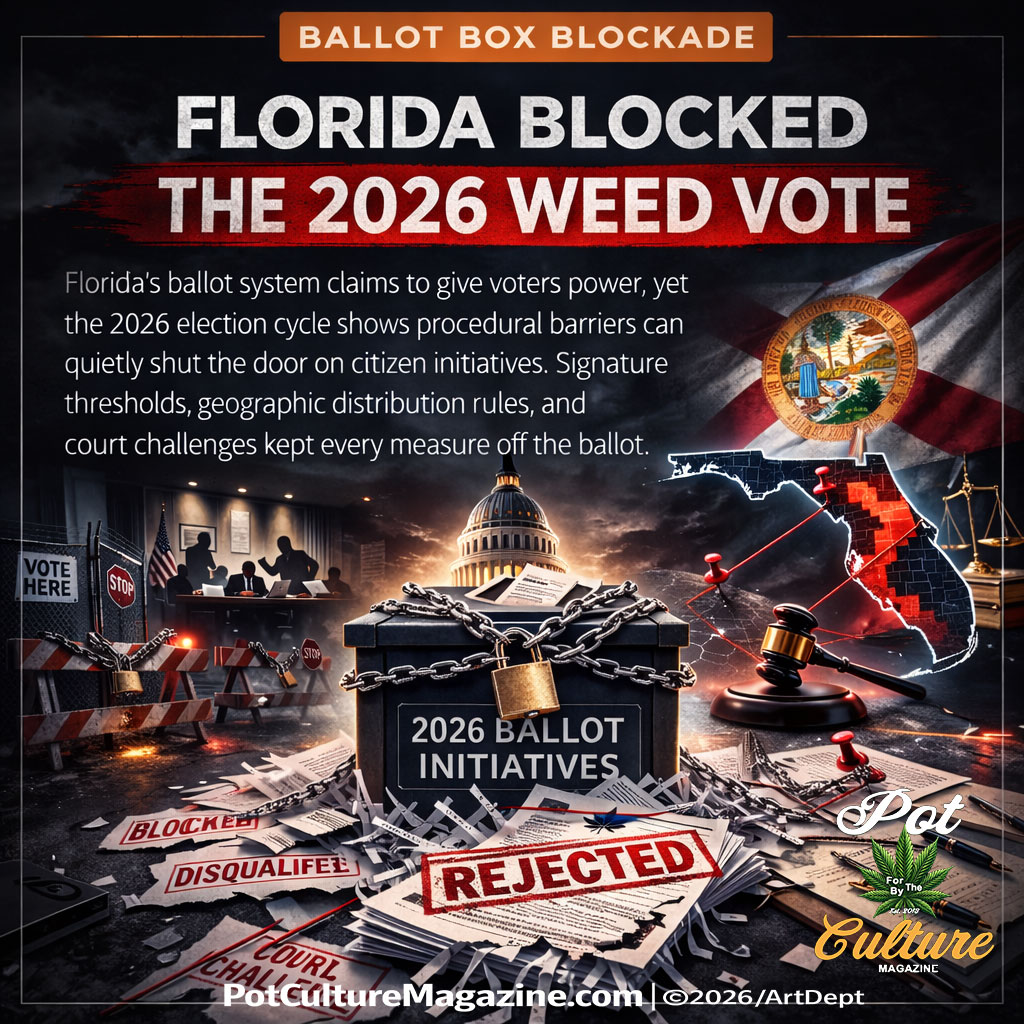
Florida Blocked the 2026 Weed Vote
Florida’s ballot system claims to give voters power, yet the 2026 election cycle shows how procedural barriers can quietly shut the door on citizen initiatives. Signature thresholds, geographic distribution rules, and court challenges blocked every measure from reaching voters, revealing how cannabis legalization fights are often decided by bureaucratic design long before election day.
Discover more from POT CULTURE MAGAZINE
Subscribe to get the latest posts sent to your email.

Leave a comment