
Kevin Allen’s case stands as a brutal reminder of how outdated drug laws continue to ruin lives, even as public opinion and legislation around cannabis have evolved dramatically. Recently, the Louisiana Second Circuit Court of Appeals affirmed Allen’s 35-year sentence for selling just $20 worth of marijuana, ruling that the punishment was “not excessive” despite the growing decriminalization of marijuana across many parts of the country.
The Unforgiving Reality of Louisiana’s Habitual Offender Law
In 2014, Allen was convicted of selling a mere $20 worth of cannabis to a confidential informant in two separate transactions. Under Louisiana’s harsh habitual offender law, his previous nonviolent drug convictions allowed the court to hand down an initial life sentence without parole. None of Allen’s prior offenses involved violence, but the state’s rigid sentencing laws saw him treated as a high-level criminal, with little regard for the minor nature of his crime.
In 2022, after years of advocacy and legal efforts, the Louisiana Supreme Court stepped in, ruling that Allen’s life sentence was unconstitutionally excessive. This intervention brought his sentence down to 35 years, but for many, including Allen’s supporters and organizations like the Last Prisoner Project, that’s still far too long for a nonviolent cannabis offense.
The Fight for True Cannabis Justice
While Allen’s sentence was reduced, the appeals court recently upheld the 35-year term, refusing to acknowledge the changing landscape of cannabis laws both within Louisiana and across the nation. The court focused on drugs as a societal harm rather than weighing the personal and nonviolent circumstances of Allen’s case.
This ruling is a bitter pill for advocates fighting for justice for nonviolent drug offenders. Despite Allen’s strong family ties, his lack of violent history, and the decriminalization of marijuana in many states, the court’s decision seems stuck in the punitive “War on Drugs” mindset of decades past.
How You Can Help
A decade later, Kevin Allen remains behind bars for what is widely viewed as an unjust sentence in today’s evolving cannabis landscape. His case is a rallying cry for activists pushing for reforms in habitual offender laws, clemency, and greater fairness in sentencing for nonviolent drug crimes.
If you want to support Kevin Allen and others like him, organizations such as the Last Prisoner Project are leading the charge. They work tirelessly to bring justice to those still incarcerated for nonviolent cannabis-related offenses while advocating for reform to prevent future injustices. To learn more and to take action, visit the Last Prisoner Project.
The fight for Kevin Allen’s freedom and for true cannabis justice isn’t over. With continued advocacy and public awareness, there is hope that sentences like his will soon be relics of a bygone era, and fairness will finally prevail in the cannabis debate.
© 2024 Pot Culture Magazine. All rights reserved. This content is the exclusive property of Pot Culture Magazine and may not be reproduced, distributed, or transmitted in any form or by any means without prior written permission from the publisher, except for brief quotations in critical reviews.
F O R T H E C U L T U R E B Y T H E C U L T U R E
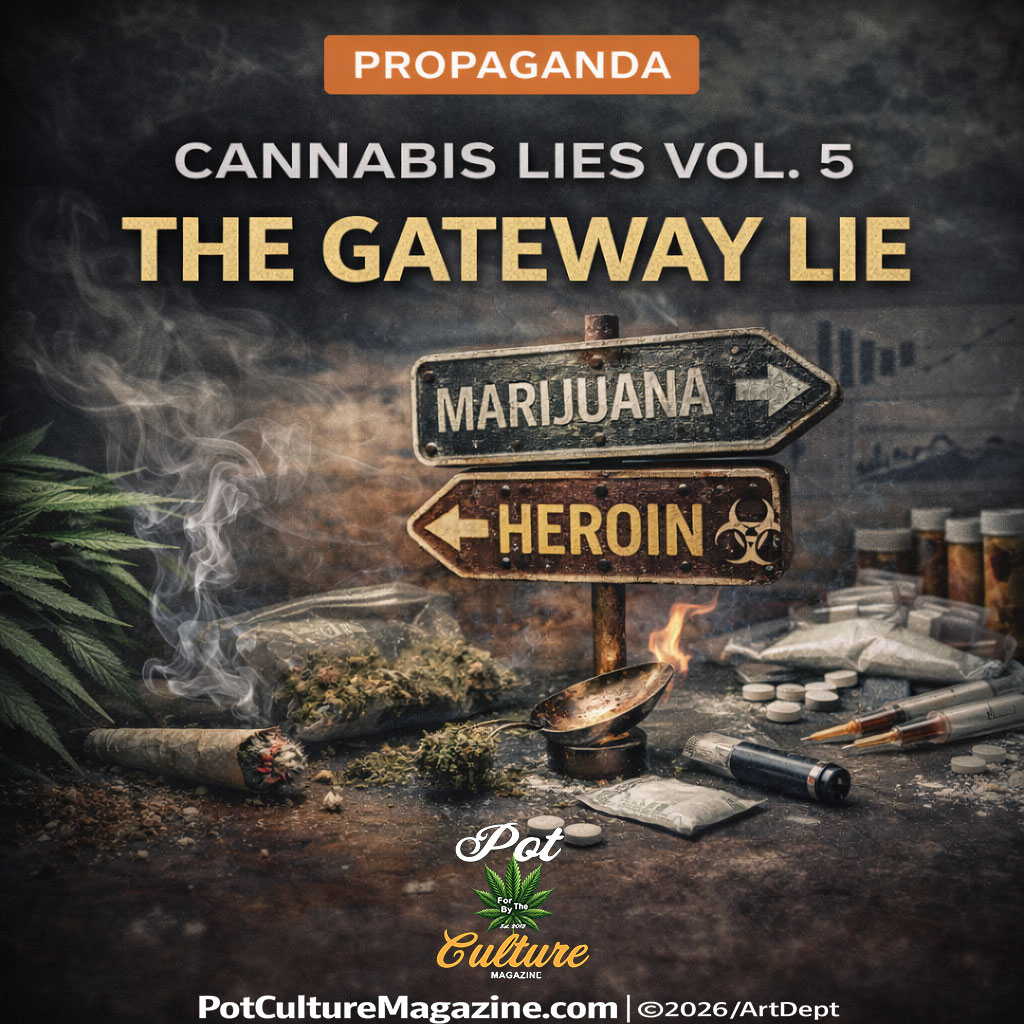
CANNABIS LIES Vol. 5: The Gateway Lie
For decades, politicians have claimed marijuana is a gateway to heroin and harder drugs. Federal youth surveys, NSDUH data, and NIDA’s own language tell a different story. Cannabis use is widespread, hard drug use remains rare, and most users do not progress. The data dismantles one of prohibition’s most durable fear narratives.

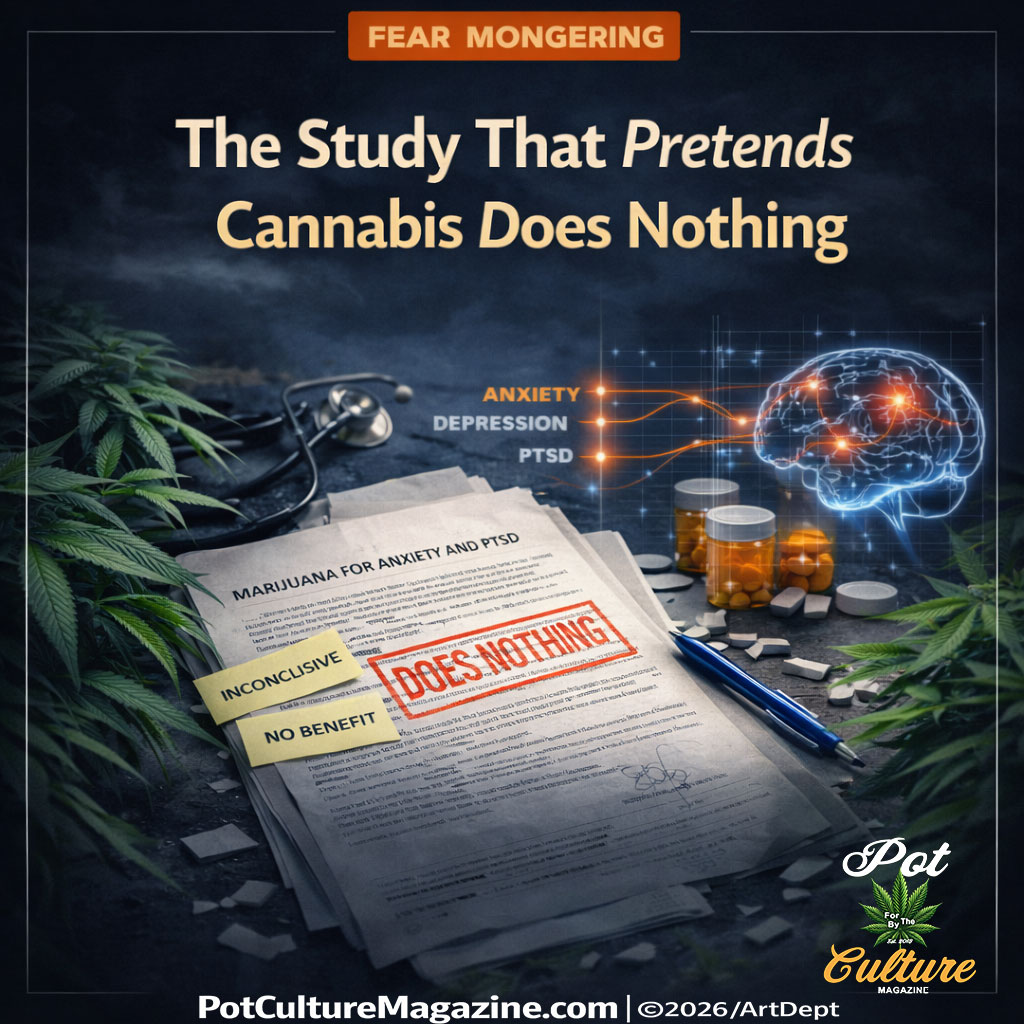
The Study That Pretends Cannabis Does Nothing
A new cannabis study claims marijuana does nothing for anxiety, depression, or PTSD. The reality is far more complicated. Decades of federal restrictions, limited research access, and synthetic substitutes have shaped the science. This breakdown exposes how incomplete data and selective interpretation continue to drive misleading headlines about cannabis and mental health.
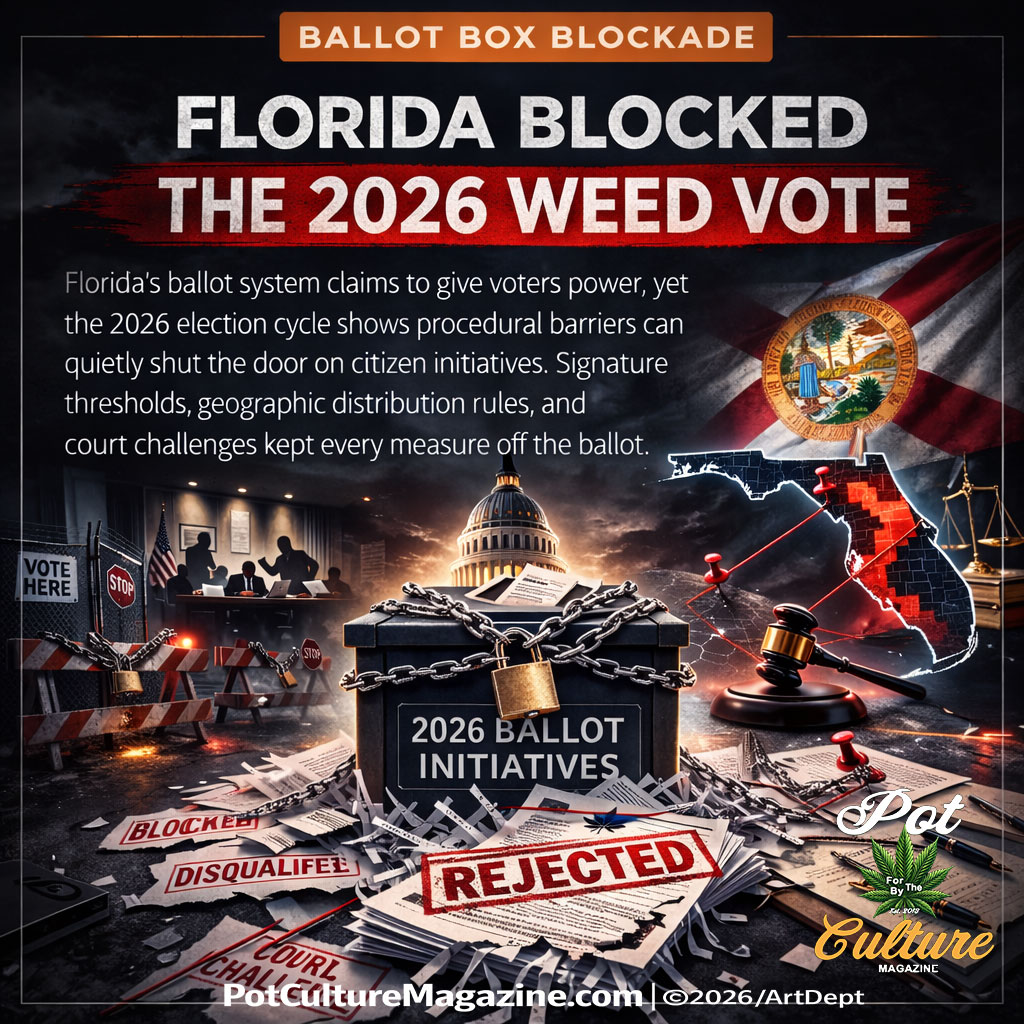
Florida Blocked the 2026 Weed Vote
Florida’s ballot system claims to give voters power, yet the 2026 election cycle shows how procedural barriers can quietly shut the door on citizen initiatives. Signature thresholds, geographic distribution rules, and court challenges blocked every measure from reaching voters, revealing how cannabis legalization fights are often decided by bureaucratic design long before election day.
Discover more from POT CULTURE MAGAZINE
Subscribe to get the latest posts sent to your email.

To put Kevin Allen’s situation into perspective: Benghazi ‘mastermind’ Ahmed Abu Khatallah was recently resentenced to 28 years in prison. That’s less time than Kevin Allen is serving for selling just $20 worth of weed.
LikeLike
Remote Reply
Original Comment URL
Your Profile
Why do I need to enter my profile?
This site is part of the ⁂ open social web, a network of interconnected social platforms (like Mastodon, Pixelfed, Friendica, and others). Unlike centralized social media, your account lives on a platform of your choice, and you can interact with people across different platforms.
By entering your profile, we can send you to your account where you can complete this action.