Chapter 4: “Busted at the Border: The $2M Weed Smuggling Operation
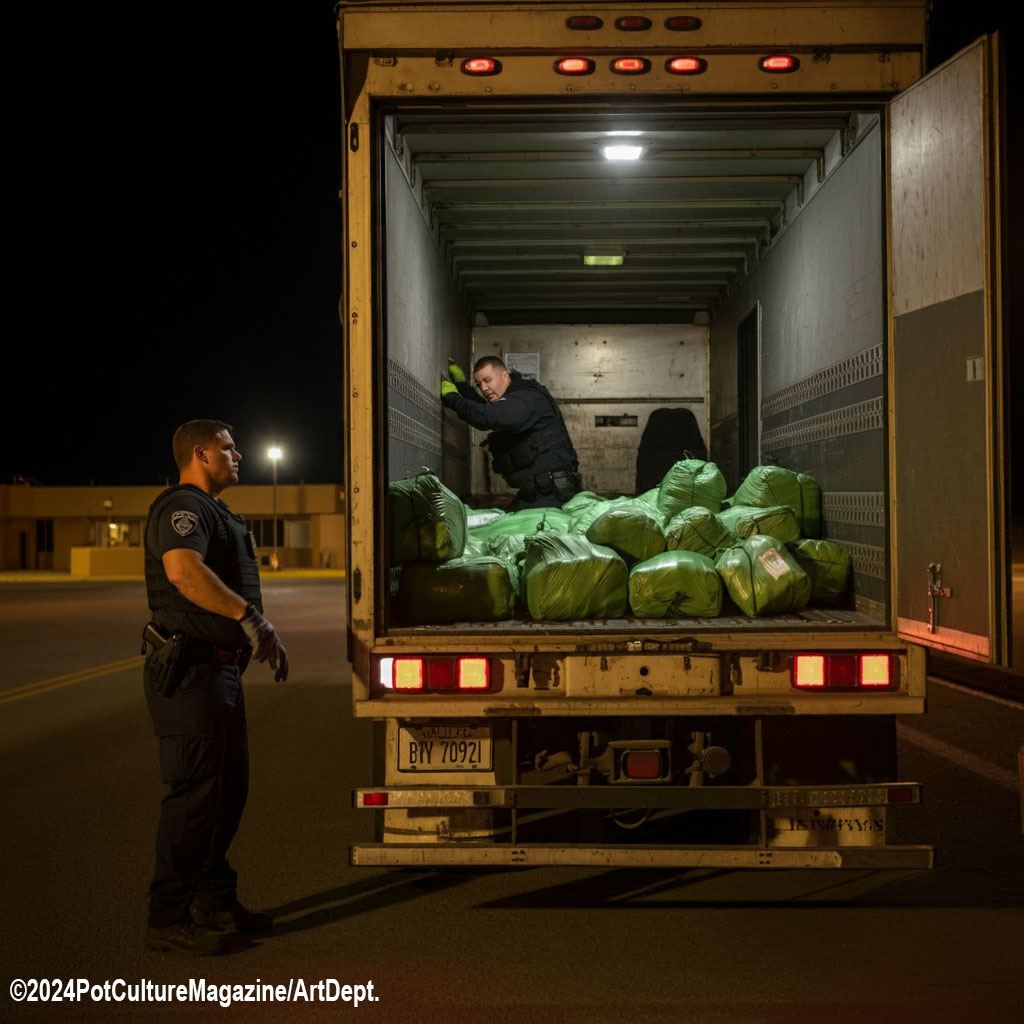
Despite the rise of legal cannabis markets in the U.S., some old habits die hard. Across the U.S.-Mexico border, criminal organizations continue to traffic millions in cannabis into states that have legalized it. Why? Because even in a legal market, the demand for cheaper, unregulated weed still thrives, and some people are willing to pay for it.
In Nogales, Sonora, one of the most notorious drug trafficking corridors, law enforcement recently busted a smuggling ring moving millions of dollars worth of marijuana into the United States. The operation was part of a larger effort to crack down on the Sinaloa Cartel, which has been responsible for moving not just weed, but other, more dangerous narcotics like fentanyl and methamphetamine, across the border.
The Smuggling Route: Nogales, Sonora

The smuggling corridor running through Nogales is nothing new. For years, traffickers have used this region as a major entry point into the U.S. Recently, authorities uncovered a 1,700-foot tunnel running from Tijuana to San Diego, designed to move large quantities of drugs under the radar. While tunnels are one method, smugglers also use vehicles modified with hidden compartments and disguised shipments to get past border checkpoints.
In this specific bust, U.S. and Mexican authorities collaborated, targeting a $2M cannabis operation. The weed was hidden in trucks carrying legitimate goods, a classic method the cartels use to avoid detection. Despite increased surveillance and enforcement along the border, these traffickers continually evolve their methods, staying one step ahead of authorities.
The Motivation: Legal Weed, Illegal Profits

Why risk smuggling weed into a state where it’s legal? The answer is simple: profit margins. Cartel-grown cannabis, often produced in large quantities with little oversight, is much cheaper to cultivate than state-regulated legal weed. This allows traffickers to undercut legal dispensaries, especially in states where taxes and regulatory costs drive up prices for consumers.
Even more so, not every state in the U.S. has legalized marijuana, and traffickers capitalize on those black market opportunities. Moving weed into states with strict drug laws is still a lucrative business, one that continues despite legalization efforts elsewhere.
Law Enforcement’s Struggle
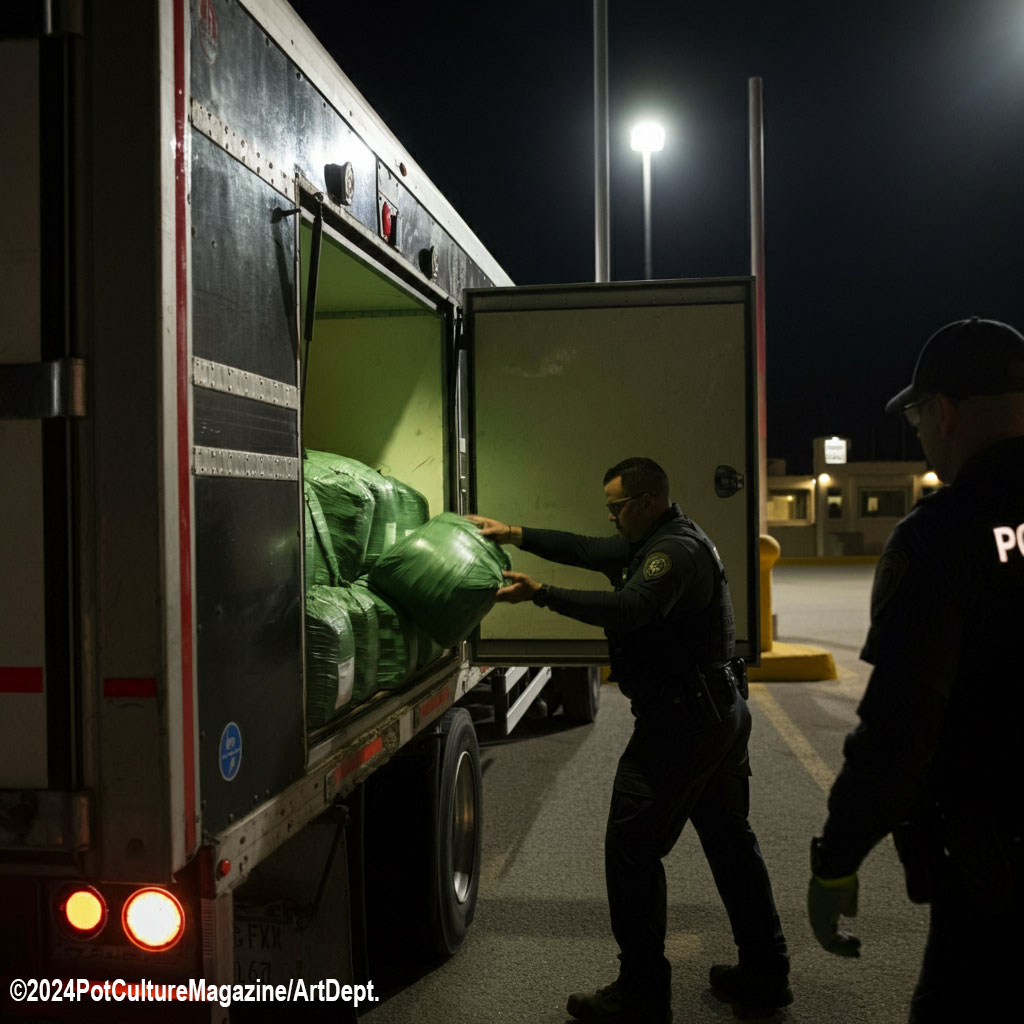
The bust in Nogales was just one victory in an ongoing battle. The U.S.-Mexico border is vast, and while authorities have made gains, the sheer scale of trafficking makes it difficult to completely shut down operations. Cartels are constantly innovating—using drones, submarines, and encrypted communication to evade detection.
This operation revealed just how complex the smuggling network remains. Trucks disguised as legitimate cargo, drivers who know the ins and outs of border crossings, and distribution points within the U.S. all point to a sophisticated and coordinated effort by cartels that has been refined over decades.
The Cartel Connection
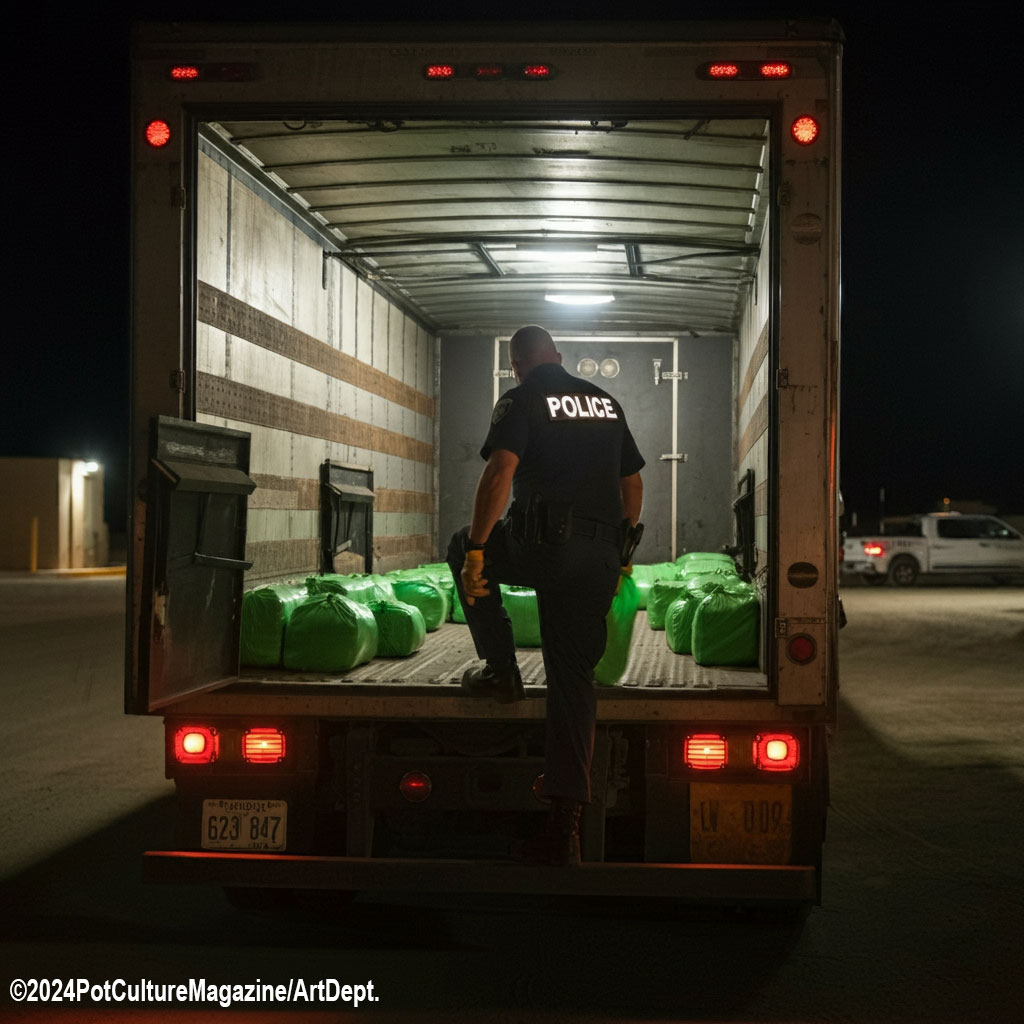
While specific names may not make the headlines, the Sinaloa Cartel remains one of the most powerful organizations behind these smuggling operations. The cartel controls key trafficking routes along the border, and its influence is deeply entrenched in regions like Nogales. From marijuana to harder drugs like fentanyl, they dominate the underground market, taking full advantage of the gaps in border security.
Despite Legalization, Smuggling Thrives
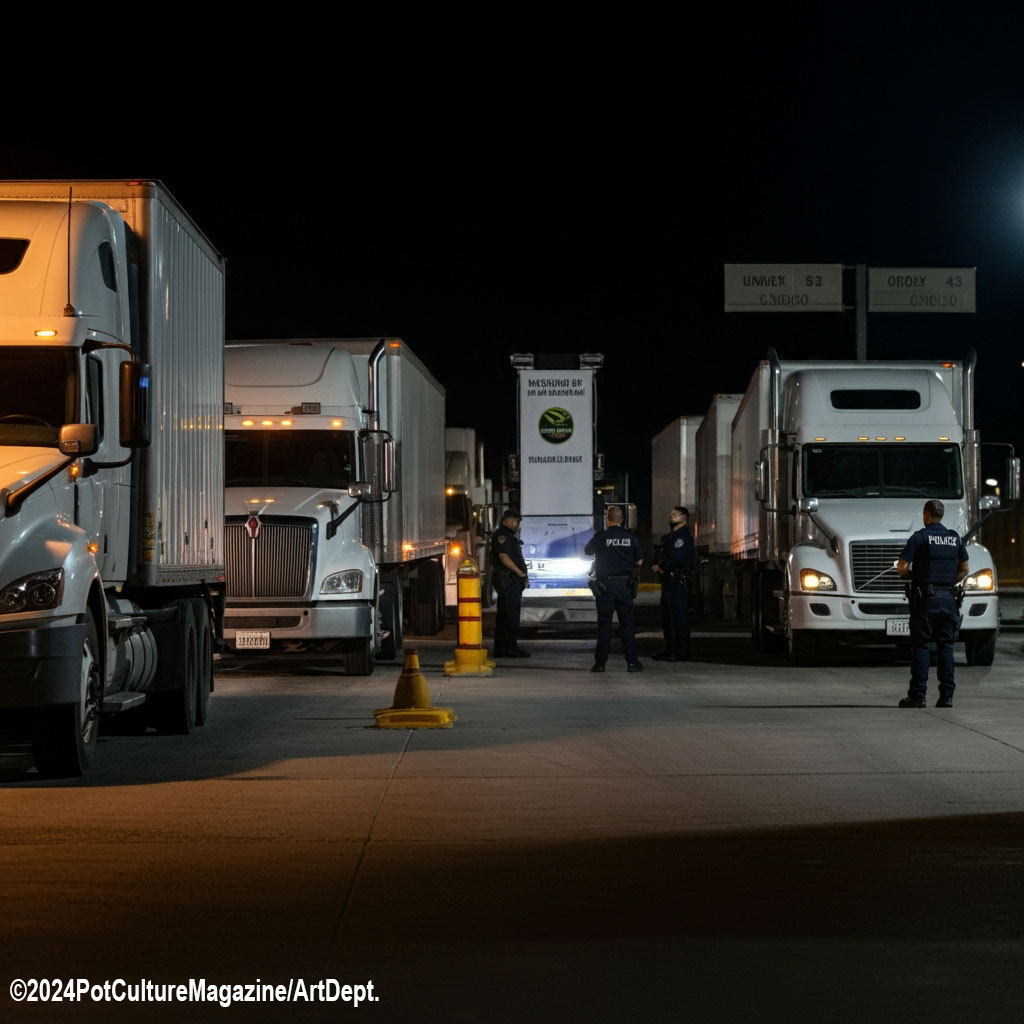
The reality is that even with states legalizing marijuana, cross-border trafficking is far from over. Cartels know that there is still money to be made from black-market cannabis, especially in areas where legalization has made weed more expensive. The bust in Nogales is a reminder that while legalization has transformed parts of the cannabis market, it hasn’t wiped out the illicit trade.
© 2024 Pot Culture Magazine. All rights reserved. This content is the exclusive property of Pot Culture Magazine and may not be reproduced, distributed, or transmitted in any form or by any means, including photocopying, recording, or other electronic or mechanical methods, without the prior written permission of the publisher, except in the case of brief quotations in critical reviews or analyses.
Discover more from POT CULTURE MAGAZINE
Subscribe to get the latest posts sent to your email.

Leave a comment