The Baby Boomers (1946-1964): From Flower Power to Reefer Madness—Cannabis in the Age of Counterculture

The Baby Boomers grew up in an America basking in the afterglow of World War II victory, with economic prosperity, suburban sprawl, and the dawn of rock ‘n’ roll shaping the culture. But as this generation came of age in the 1960s, they began to reject the status quo, sparking a counterculture movement that embraced peace, love, and a little something extra—cannabis. From flower power to reefer madness, cannabis became a symbol of rebellion and a tool for social change.
Historical Context

The post-war era of the 1950s was a time of conformity and conservatism in America, but beneath the surface, change was brewing. As the Baby Boomers reached their teenage years, they began to challenge the values of their parents. The Civil Rights Movement, the Vietnam War, and the rise of rock music all contributed to a growing sense of disillusionment with traditional American values. Cannabis, once a niche substance associated with jazz musicians and beatniks, began to spread through the burgeoning counterculture.
Cultural Impact
The Rise of Psychedelia
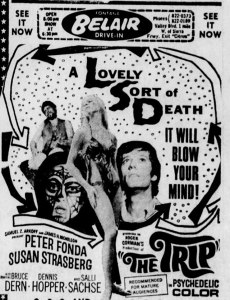
By the mid-1960s, cannabis had become intertwined with the psychedelic movement. Artists and musicians, inspired by the mind-expanding effects of cannabis and other psychedelics, began to explore new creative territories. Bands like The Grateful Dead, Jefferson Airplane, and The Beatles (post-1965) were at the forefront of this movement, using cannabis not just for recreation but as a tool for artistic exploration.
The iconic “Summer of Love” in 1967 saw thousands of young people flocking to San Francisco’s Haight-Ashbury district, where cannabis was as common as the flowers in their hair. This period marked the peak of the hippie movement, with cannabis becoming a symbol of peace, love, and resistance to the Vietnam War.
Woodstock and Other Festivals
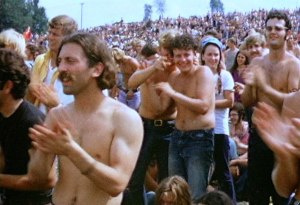
The 1969 Woodstock Festival is perhaps the most iconic representation of the Baby Boomers’ embrace of cannabis. Over half a million people gathered for three days of music, mud, and marijuana. Woodstock wasn’t just a music festival; it was a statement of a generation’s values. Cannabis was openly used, symbolizing the counterculture’s rejection of traditional norms and its embrace of freedom, peace, and communal living.
Cannabis also played a role in other festivals and gatherings during this time, helping to cement its place as a staple of the counterculture experience.
Influence on Media
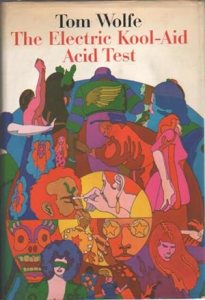
Cannabis permeated the media of the time, from the lyrics of Bob Dylan and the Rolling Stones to the stoner comedies that would later emerge in the 1970s. Books like “The Electric Kool-Aid Acid Test” by Tom Wolfe captured the spirit of the time, documenting the adventures of Ken Kesey and the Merry Pranksters as they traveled across America, fueled by cannabis and other mind-altering substances.
Movies from the late 1960s and 1970s, such as “Easy Rider,” reflected the growing visibility of cannabis in mainstream culture. These films often portrayed cannabis as a symbol of freedom and rebellion, aligning with the counterculture’s values.
Vernacular and Slang
Cannabis brought with it a new lexicon. Terms like “grass,” “weed,” “Mary Jane,” and “pot” became commonplace, reflecting the drug’s integration into mainstream culture. The music of the era was rife with references to cannabis, often using slang terms to subtly (or not so subtly) allude to its use. Bob Dylan’s song “Rainy Day Women #12 & 35,” with its chorus of “Everybody must get stoned,” became an anthem for the cannabis-friendly crowd.
The language of cannabis wasn’t just confined to music. The underground press, including publications like “The East Village Other” and “The Berkeley Barb,” used cannabis slang as a form of coded language, helping to build a sense of community among users.
Social and Legal Landscape
The War on Drugs Begins
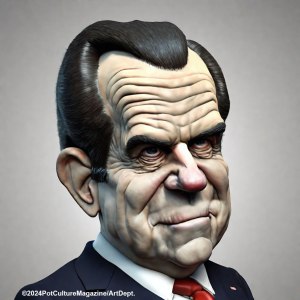
While the 1960s saw a cultural embrace of cannabis, it also marked the beginning of governmental pushback. The Nixon administration, reacting to the growing counterculture movement, launched the War on Drugs in the early 1970s, targeting cannabis as a public enemy. The Controlled Substances Act of 1970 classified cannabis as a Schedule I drug, placing it in the same category as heroin and LSD.
This crackdown had profound consequences, leading to widespread arrests and the stigmatization of cannabis users. The government’s anti-drug campaigns, epitomized by the “Just Say No” slogan of the 1980s, sought to roll back the gains made by the cannabis movement. Despite this, the Baby Boomers’ embrace of cannabis laid the groundwork for the legalization efforts that would emerge in the decades to come.
Racial Disparities in Enforcement
The enforcement of cannabis laws during this period was marked by significant racial disparities. African American and Latino communities were disproportionately targeted, with higher arrest rates and harsher penalties compared to their white counterparts. This trend, which began in the 1970s, would continue for decades, fueling the call for drug policy reform.
Cultural Icons and Cannabis
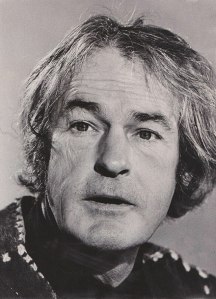
Bob Dylan, Janis Joplin, and Timothy Leary were just a few of the cultural icons who openly embraced cannabis. Dylan’s influence on The Beatles is often credited with introducing them to cannabis, which in turn influenced their music, including the groundbreaking album “Sgt. Pepper’s Lonely Hearts Club Band.”
Timothy Leary, the Harvard professor turned psychedelic advocate, famously urged people to “turn on, tune in, drop out,” promoting the use of cannabis and psychedelics as tools for personal and social liberation. His influence extended beyond the counterculture, shaping the public’s perception of cannabis and other drugs.
The Hippie Lifestyle
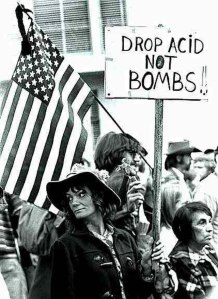
For those who embraced the hippie lifestyle, cannabis was more than just a recreational drug—it was a way of life. Communal living, organic food, and spiritual exploration were all part of the package, with cannabis serving as a sacrament for many. In places like California’s communes, cannabis was grown, shared, and celebrated as part of a holistic approach to life.
Visual and Media Elements
Iconic Imagery

Photographs from the era, including images of Woodstock, protest marches, and the Haight-Ashbury district, provide a visual record of the Baby Boomers’ relationship with cannabis. Posters from the time, with their psychedelic designs and cannabis motifs, reflect the influence of the drug on the visual culture of the 1960s and 1970s.
Album covers, concert posters, and underground newspapers all serve as visual artifacts of this era, offering a window into the world of cannabis culture as it emerged from the shadows and into the mainstream.
The Legacy of the Baby Boomers
The Baby Boomers’ embrace of cannabis was a turning point in American culture. While the War on Drugs sought to curb its influence, the seeds of change had been planted. The activism and cultural shifts of this generation paved the way for the legalization efforts that would gain momentum in the 1990s and 2000s.
© 2024 Pot Culture Magazine. All rights reserved. This content is the exclusive property of Pot Culture Magazine. It may not be reproduced, distributed, or transmitted in any form or by any means, including photocopying, recording, or other electronic or mechanical methods, without the prior written permission of the publisher, except in the case of brief quotations in critical reviews or analyses.
Discover more from POT CULTURE MAGAZINE
Subscribe to get the latest posts sent to your email.

Leave a comment