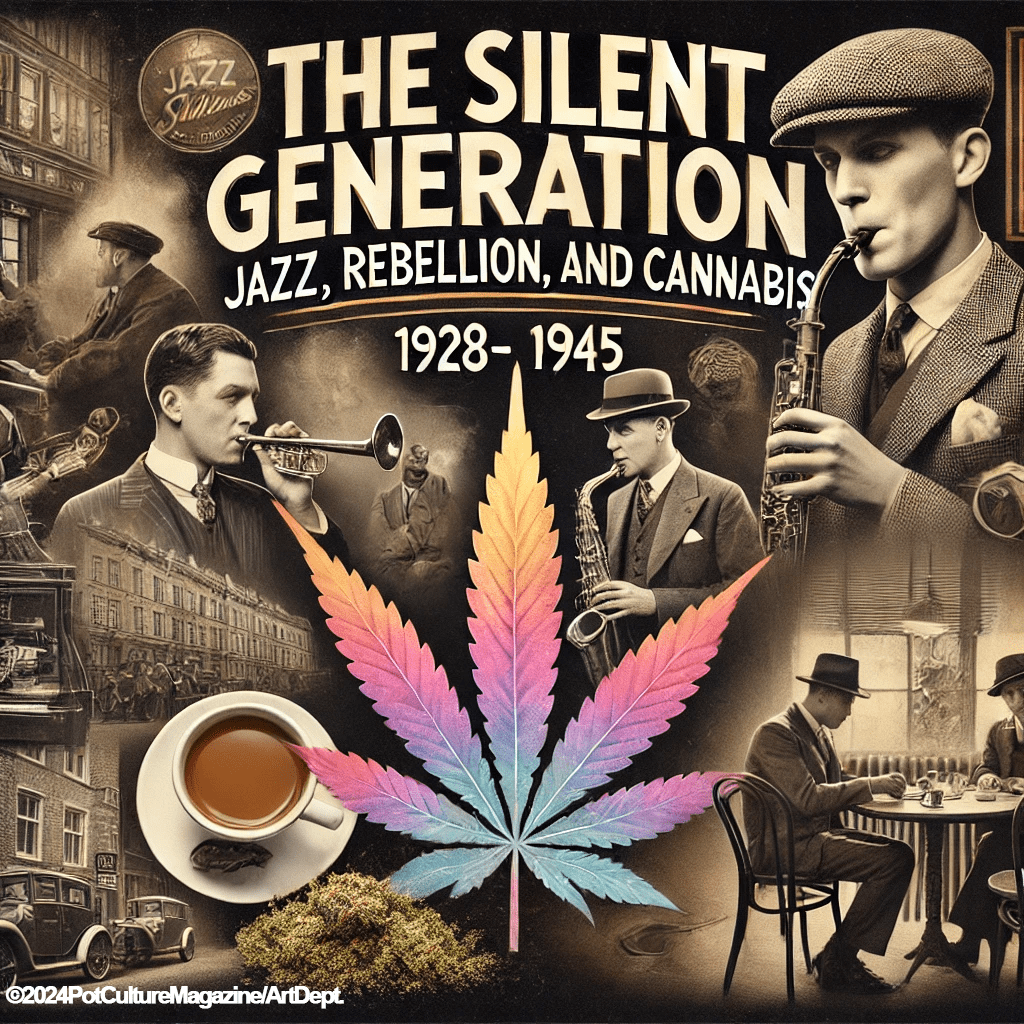
The Silent Generation (1928-1945): Discover the Clandestine Cannabis Culture of the Early 20th Century
The early 20th century was a time of prohibition, jazz, and the birth of underground cannabis culture. The Silent Generation, those born between 1928 and 1945, witnessed a period where cannabis was both a symbol of rebellion and a fixture in the vibrant jazz scene. This article delves into the clandestine cannabis culture of the era, exploring how it influenced music, language, and social dynamics.
Historical Context
The Prohibition Era, which spanned from 1920 to 1933, was marked by the illegalization of alcohol and the rise of speakeasies. However, it wasn’t just alcohol that found its way into these secret venues. Cannabis, often referred to as “tea,” became a popular substance among jazz musicians and their audiences. The jazz age saw cannabis becoming an integral part of the scene, providing creative inspiration and a sense of camaraderie among musicians.
Cultural Impact
Tea Rooms and Jazz Clubs
Tea rooms, also known as “tea pads,” were the cannabis speakeasies of the time. These secret venues were scattered across urban centers like Harlem, New York, where jazz and cannabis culture thrived. In these dimly lit rooms, filled with the smoky haze of cannabis, patrons could enjoy the latest jazz performances without fear of legal repercussions.
Jazz Musicians and Cannabis
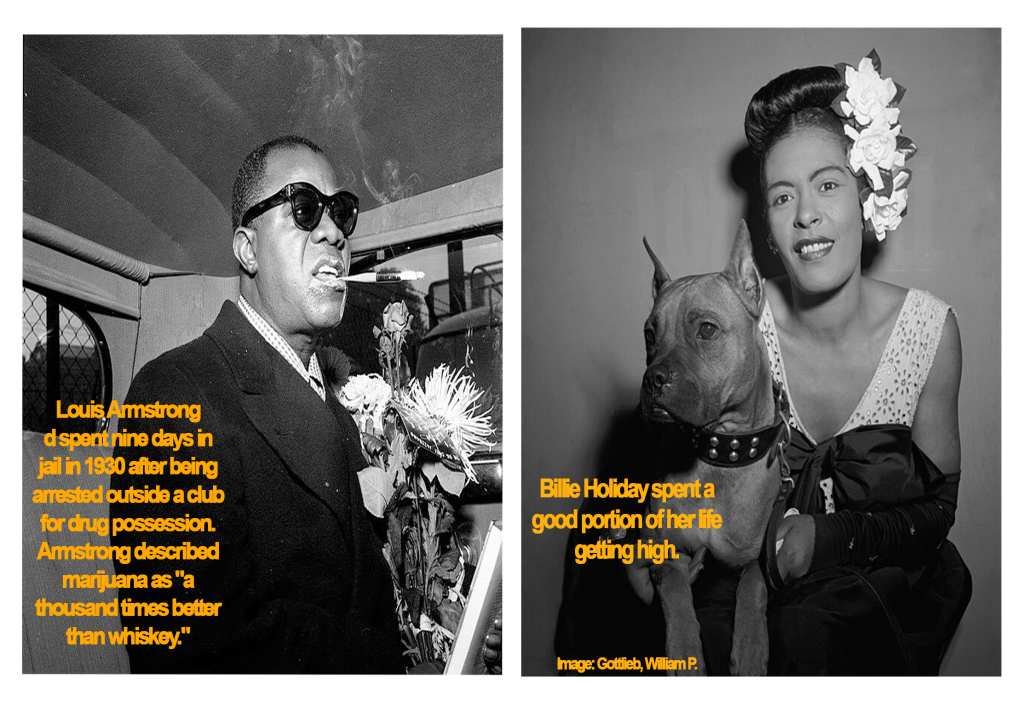
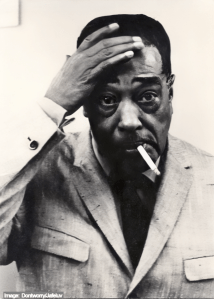
Icons such as Louis Armstrong, Duke Ellington, and Billie Holiday were known to indulge in cannabis. Louis Armstrong, one of the most famous jazz musicians of all time, was an outspoken advocate for cannabis, referring to it as “an assistant and a friend.” His use of cannabis was not just a personal choice but a cultural statement that resonated with the rebellious spirit of the Jazz Age.
Literature and Art
The influence of cannabis extended beyond music to literature and art. The Harlem Renaissance, a cultural movement centered in New York, saw many artists and writers exploring themes of racial identity, social injustice, and liberation. Cannabis played a subtle yet significant role in this creative explosion, providing an altered perspective that fueled artistic expression.
Vernacular and Slang
Cannabis culture brought with it a unique vernacular. Terms like “reefer,” “muggles,” and “tea” were commonly used to refer to cannabis. Jazz musicians often embedded these terms in their music, creating a linguistic tapestry that mirrored their experiences. Songs like Cab Calloway’s “Reefer Man” captured the essence of this slang, adding to the mystique of the cannabis culture.
Personal Stories and Anecdotes
Louis Armstrong
Armstrong’s relationship with cannabis was well-documented. In his autobiography, he recounted numerous instances where cannabis played a pivotal role in his life and music. His famous quote, “We always looked at pot as a sort of medicine, a cheap drunk and with much better thoughts than one that’s full of liquor,” highlights his preference for cannabis over alcohol.
Mezz Mezzrow
Another notable figure was Mezz Mezzrow, a jazz musician and dedicated cannabis enthusiast. His autobiography, “Really the Blues,” offers a candid look into the jazz and cannabis scene. Mezzrow was known for providing high-quality cannabis to fellow musicians, earning him a reputation as both a talented musician and a key player in the cannabis subculture.
Social and Legal Landscape
The legal status of cannabis during this period was complex. The 1930s brought the infamous “Reefer Madness” campaign, a series of propaganda films that painted cannabis as a dangerous drug leading to insanity and violence. This campaign significantly shaped public perception and led to stricter cannabis laws.
Despite these legal challenges, cannabis use persisted, particularly among African American and Latino communities. The enforcement of cannabis laws often targeted these communities disproportionately, reflecting broader societal inequities.
Visual and Media Elements
Images like the 1945 “Producer of Marihuana” tax stamp, photographs of jazz clubs, and anti-cannabis propaganda posters provide a vivid backdrop to this era. These visuals help illustrate the clandestine nature of the cannabis culture and its enduring impact on American society.
The Silent Generation’s clandestine cannabis culture laid the groundwork for future generations. The jazz-infused rebellion of the early 20th century echoed through the decades, influencing music, art, and social movements. As we continue this series, we will explore how each subsequent generation has built upon this legacy, creating a rich tapestry of cannabis culture that spans nearly a century.
© 2024 Pot Culture Magazine. All rights reserved. This content is the exclusive property of Pot Culture Magazine and may not be reproduced, distributed, or transmitted in any form or by any means, including photocopying, recording, or other electronic or mechanical methods, without the prior written permission of the publisher, except in the case of brief quotations in critical reviews or analyses.
Discover more from POT CULTURE MAGAZINE
Subscribe to get the latest posts sent to your email.

Leave a comment