
When researching story ideas, I decided to search the obvious: What is the number one issue that plagues cannabis smokers? The results were pages and pages of bullshit studies claiming one hit of cannabis will make you DIE, grow hair on your palms, or become a serial killer. After seeing these ridiculous studies and having covered them before, I decided to conduct my own study to show how these studies are nothing but bullshit.
Cannabis research is dominated by organizations with agendas. Pharmaceutical giants, anti-cannabis government bodies, and other prohibitionist groups funnel millions into studies designed to paint weed in the worst possible light. They cherry-pick results, focusing on the so-called dangers of cannabis while conveniently ignoring its therapeutic potential. The result? A deluge of biased reports floods the media, misleading the public and policymakers alike.
The issue starts with the design of the studies themselves. Many cannabis studies are observational, relying on self-reported data from users. This approach is inherently flawed, as it’s plagued by biases and inaccuracies. Real, high-quality research requires randomized controlled trials (RCTs), the gold standard in clinical research. Yet, these are few and far between in the world of cannabis. A review of 78 studies on cannabis and mood disorders found just one RCT among them. The rest? Pure observational fluff.
Selective reporting further muddies the waters. Researchers often emphasize findings that support the agendas of their funders. If a study funded by a pharmaceutical company discovers that cannabis helps alleviate chronic pain, don’t expect to see that highlighted. Instead, the report will likely harp on potential side effects, ignoring the positive outcomes. It’s a classic case of telling half the story and hoping no one notices.
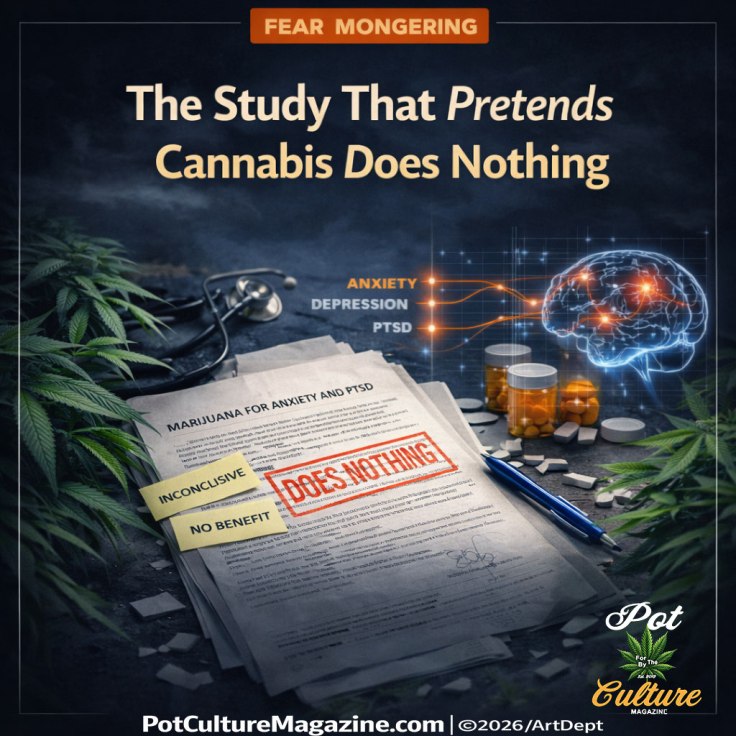

Quality is another major issue. A comprehensive review of cannabis studies revealed that only a handful met high methodological standards. Most exhibited moderate to high risk of bias, rendering their findings questionable at best. When the bar for research is set so low, it’s no wonder the conclusions are often skewed.
Confounding factors add another layer of complexity. Cannabis users frequently use other substances like alcohol or tobacco, which can distort study results. Many researchers fail to adequately control for these variables, leading to conclusions that blame cannabis for issues actually caused by other substances. It’s a convenient way to demonize weed while giving more harmful substances a pass.
The takeaway? Most cannabis studies are bullshit, serving the interests of those who stand to gain from prohibition and misinformation. It’s high time for unbiased, high-quality research that tells the full story of cannabis—good and bad. Until then, take those fear-mongering headlines with a hefty grain of salt.
Cannabis advocates, it’s crucial to stay informed and question the sources of your information. The fight for legalization and proper understanding of cannabis won’t be won with half-truths and biased studies. Demand better, support unbiased research, and continue pushing for a realistic, evidence-based perspective on cannabis.
© 2024 Pot Culture Magazine. All rights reserved. This content is the exclusive property of Pot Culture Magazine and may not be reproduced, distributed, or transmitted in any form or by any means, including photocopying, recording, or other electronic or mechanical methods, without the prior written permission of the publisher, except in the case of brief quotations in critical reviews or analyses.
Discover more from POT CULTURE MAGAZINE
Subscribe to get the latest posts sent to your email.

Leave a comment