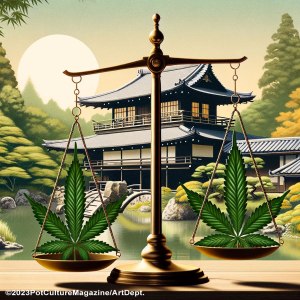
In Japan, possessing cannabis could land you in prison for up to seven years, yet paradoxically, using it doesn’t break any law. This anomaly extends to synthetic cannabinoids that mimic the effects of THC—the main psychoactive component in cannabis—without the substance itself, leading to a unique situation where these alternatives remain legal despite strict drug regulations.
Asia is witnessing a ‘green rush,’ with varying approaches to cannabis laws across the region. In this context, Japan is at a crossroads, with discussions anticipated in the upcoming parliamentary session about potentially tightening cannabis regulations. While there’s hope for the medicinal use of cannabis, the focus seems to be on clamping down on recreational usage and addressing legal grey areas.
Historically, Japan has had a complex relationship with cannabis, utilizing hemp in various traditional practices. However, post-World War II, the Cannabis Control Act of 1948 significantly restricted cannabis, exempting only non-psychoactive parts of the plant to protect farmers. This legislation, however, didn’t criminalize the act of consumption, leading to enforcement challenges in modern times. For instance, if an individual consumes cannabis without possessing any, law enforcement faces a dilemma.
Legal nuances also arise in social settings where sharing cannabis doesn’t necessarily imply possession, further complicating the police’s ability to enforce the law. While consumption isn’t directly penalized, other laws prevent impaired driving under the influence of any substance, including cannabis.
The discussion around cannabis in Japan also highlights the distinction between THC and CBD products—the latter being legal and flourishing in the market due to its non-psychoactive nature. The rise of synthetic cannabinoids, or “loophole herbs,” presents a regulatory challenge as these substances mimic cannabis’s effects without containing THC, leading to periodic bans on specific compounds as authorities try to keep up.
Despite a growing market for alternatives like CBD and synthetic cannabinoids, the debate over full legalization, especially for recreational use, remains contentious. While there’s a cautious consideration of medical cannabis, exemplified by trials of cannabis-derived pharmaceuticals, the broader legal landscape appears resistant to change, with a focus on tightening existing laws rather than embracing legalization.
Japan’s stance on cannabis, characterized by its strict yet inconsistent regulations, reflects a broader hesitation and ongoing debate about the place of cannabis in society, balancing traditional values, public health concerns, and evolving global perspectives on drug policy.
Discover more from POT CULTURE MAGAZINE
Subscribe to get the latest posts sent to your email.

Leave a comment