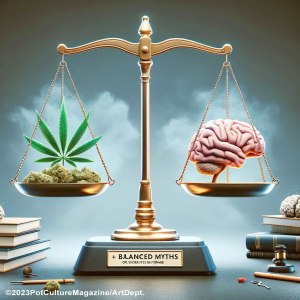
Demystifying Cannabis Dependence in the Light of Recent Research
In the realm of cannabis culture and discourse, the topic of addiction and dependence often invites controversial opinions and misconceptions. Let’s delve into the latest research to separate myth from fact and provide a well-informed perspective.
The Myth of Inevitable Addiction
A common myth suggests that cannabis use inevitably leads to addiction. However, recent studies indicate a more nuanced reality. While it’s true that cannabis can be habit-forming for some, the addiction rates are relatively lower compared to substances like alcohol and nicotine. High-strength cannabis has been linked to a higher risk of addiction and mental health problems, but this doesn’t imply that all cannabis use leads to dependency.
Understanding Cannabis Use Disorder (CUD)
Cannabis Use Disorder (CUD) is a medical diagnosis for problematic cannabis use that significantly impairs health and daily functioning. It’s important to note that not all cannabis users develop CUD. According to a study published in “Nature Reviews Disease Primers,” the prevalence and risk of CUD are influenced by various factors, including genetic predisposition, frequency of use, and societal and environmental factors.
Cannabis and Mental Health
The relationship between cannabis use and mental health is complex. While some individuals use cannabis for its calming effects, there’s evidence that heavy and prolonged use, particularly of high-potency strains, can exacerbate or contribute to mental health issues like anxiety, depression, and psychosis. It’s crucial for users to be aware of their mental health history and the type of cannabis they are using.
Cannabis and the Developing Brain
Research highlights concerns regarding cannabis use, particularly among adolescents and young adults. The developing brain is more susceptible to the effects of psychoactive substances, including cannabis. Regular use during adolescence has been linked to alterations in brain development, potentially impacting cognitive functions and increasing the risk of developing CUD later in life.
Treatment for Cannabis Dependence
For individuals struggling with CUD, there are treatment options available. These include behavioral therapies, counseling, and support groups. Interestingly, a study in “The Lancet Psychiatry” explored the use of cannabidiol (CBD) for treating CUD, showing promise in reducing cannabis use among participants.
Conclusion: A Call for Informed Use
The discourse around cannabis addiction is evolving, guided by ongoing research and clinical findings. It’s vital for the cannabis community to stay informed about the potential risks and to approach cannabis use with mindfulness and awareness of personal health and well-being.
Stay tuned to Pot Culture Magazine for more insights and updates on cannabis culture and research.
Discover more from POT CULTURE MAGAZINE
Subscribe to get the latest posts sent to your email.

Leave a comment