by: Marc Tesnee
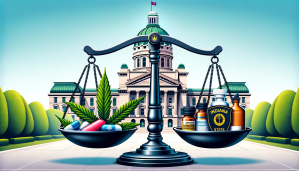
In the evolving landscape of marijuana laws in the United States, Indiana remains one of the few states with a total prohibition on marijuana. This position becomes increasingly conspicuous as neighboring states like Illinois, Michigan, and Ohio embrace legalization. The debate in Indiana is intensifying, with compelling arguments and data suggesting significant benefits if legalization were to occur.
Economic Impacts
The economic incentives of legalizing marijuana are hard to ignore. States like Colorado and Washington have seen substantial tax revenue increases since legalization. According to the Colorado Department of Revenue, Colorado has generated over $1 billion in state revenue since 2014. This economic success story presents a strong case for Indiana, where similar financial benefits could support education, infrastructure, and healthcare.
Healthcare and Therapeutic Benefits
Legalization in Indiana could revolutionize the healthcare landscape, particularly for veterans and chronic pain sufferers. Cannabis has been recognized for its efficacy in treating conditions like PTSD, anxiety, and chronic pain. Allowing medical marijuana could reduce the reliance on opioids, which have led to a nationwide crisis. The American Public Health Association notes a 25% decrease in opioid overdose deaths in states with legal medical marijuana.
Social Justice Considerations
The criminalization of marijuana has disproportionately impacted minority communities. The ACLU reports that Black individuals are 3.73 times more likely than white individuals to be arrested for marijuana possession, despite similar usage rates. Legalization in Indiana could be a significant step toward addressing these long-standing racial disparities in the criminal justice system.
Veterans’ Advocacy
Veterans in Indiana are vocal proponents of legalization. Their advocacy highlights the therapeutic benefits of cannabis, especially for PTSD and pain management. Legalization could provide them with legal access to a treatment option that many find effective.
Challenges and Counterarguments
Opponents of legalization cite public safety concerns, such as increased traffic accidents and potential health risks. However, a study published in the Journal of Safety Research found no significant increase in traffic fatalities following legalization in Colorado and Washington. Regarding health risks, comprehensive regulation and education could mitigate potential harms.
As the tide of public opinion shifts, Indiana faces a pivotal decision. Legalizing marijuana could bring substantial economic, healthcare, and social justice benefits, aligning Indiana with a growing national trend. While concerns exist, evidence from states that have legalized marijuana suggests these can be effectively managed through responsible legislation and regulation.
Indiana has the opportunity to transform its approach to marijuana, potentially reaping significant benefits for its economy, healthcare system, and social fabric. It’s time for Indiana lawmakers to engage in a meaningful dialogue, considering the vast potential and addressing the challenges head-on.
Discover more from POT CULTURE MAGAZINE
Subscribe to get the latest posts sent to your email.

Leave a comment