By: MW Roberts
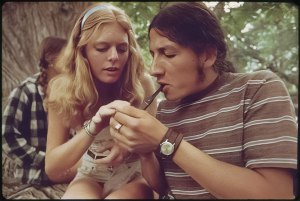
Cannabis’s journey through history takes us beyond the Old West into the modern era, marked by changing perceptions, legal challenges, and evolving cultural attitudes. Join us as we delve deeper into the fascinating tale of this versatile plant.
The Early 20th Century: A Shifting Landscape
The 1900s witnessed significant shifts in how cannabis was perceived. The establishment of the American Medical Association (AMA) brought forth an orthodox approach to medical treatment, which some argue demonized herbal healers and alternative remedies. As the AMA emerged, Dr. William C. Woodward, their legislative counsel, commented,
“There is postively no evidence to support the belief that cannabis is a dangerous drug.”
In response to these changing times, several states, including California and Massachusetts, began banning cannabis.
Prohibition-Era Cannabis: The ‘Tea Pads’ and Cultural Impact
During the Prohibition era, when alcohol was banned, some states found a unique way to offer cannabis. Shops called “Tea Pads” provided cannabis-based tea, exploiting a legal loophole to continue its consumption. This period also saw an increase in cannabis use, especially among Jazz musicians and expatriate writers in Paris, often referred to as “The Lost Generation.” As jazz legend Louis Armstrong famously said,
“It really puzzles me to see marijuana connected with narcotics dope and all of that stuff. It is a thousand times better than whiskey. It is an assistant and a friend.”
Notably, Gertrude Stein‘s lover, Alice B. Toklas, is credited with inventing the first pot brownie.

Hemp’s Industrial Potential and William Randolph Hearst‘s Opposition
Advancements in farm equipment made hemp stripping easier, fueling its industrial use. Popular Mechanics even called it “The New Billion Dollar Crop.” However, William Randolph Hearst, a powerful media mogul with interests in paper mills, launched a propaganda campaign against hemp and cannabis, associating them with Mexican immigrants and crime.
The Nixon Era and the War on Drugs
President Richard Nixon‘s era marked a turning point. Nixon used the issue of cannabis as a tool against those who opposed the Vietnam War, as a significant portion of anti-war activists were cannabis users. This era saw the start of the infamous ‘War on Drugs,’ which had a significant impact on drug policy in the United States.
The Challenge: Leary vs. The United States
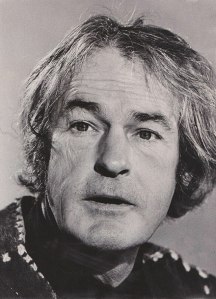
In 1969, Timothy Leary‘s arrest led to the challenge of the Marijuana Tax Act. A federal judge determined the act was unconstitutional, resulting in its overruling. However, this victory was short-lived, as Congress swiftly responded by passing the Controlled Substances Act of 1970, classifying cannabis as a controlled substance.
Changing Perceptions and the Modern Cannabis Movement

Despite the challenges, cannabis activism continued to grow. Government-led campaigns like Nancy Reagan’s “Just Say No” faced criticism, especially as it became known that she was taking prescription medication. The D.A.R.E. (Drug Abuse Resistance Education) program from the 1980s is often considered a failure in preventing drug abuse.
A Glimpse of Hope and the Path Forward
In recent years, the landscape has shifted dramatically. Several states, including Colorado, Washington, California, Nevada, and New York, have legalized recreational marijuana use. These changes have sparked optimism among many activists who hope for federal-level legalization shortly.
A Resilient Journey Through Time

The story of cannabis is one of adaptation and resilience. It has weathered centuries of shifting perceptions, legal challenges, and cultural dynamics. As we reflect on its journey through time, we see a plant that has both united and divided societies, and its future remains uncertain yet hopeful.
Discover more from POT CULTURE MAGAZINE
Subscribe to get the latest posts sent to your email.

Leave a comment